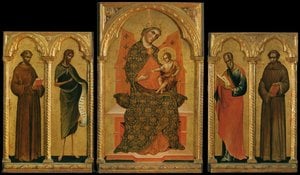
Giovanni da Milano: Most a přelomu mezi gotikou a renesancí
Giovanni da Milano, jehož jméno v dějinách umění zní tiše, představuje klíčový okamžik italského malířství – most mezi poetickou lyrikou pozdního gotického období a nově se rodící naturalističností, která definovala renesanci. Narozený jako Giovanni di Jacopo di Guido da Caversaccio v Lombardii kolem roku 1346, jeho umělecká cesta se odehrávala především ve vibrantu kulturním prostředí Florencie během doby obrovských změn a inovací. Ačkoli mu život byl tragicky zkrácen již v roce 1369, zanechal po sobě relativně malou, ale hluboce vlivnou tvorbu. Giovanniho přínos k vývoji italského malířství je nepopiratelný. První doložená zmínka o jeho osobě se objevuje ve florentských záznamech z 17. října 1346, kde je uveden jako Johannes Jacobi de Commo mezi cizími malíři sídlícími v Toskánsku – důkaz magnetického působení Florencie na umělce hledající nové příležitosti a prosperující umělecké prostředí. Toto přesídlení naznačuje záměrné usilování o pokrok, opouštějící lombardské kořeny pro ponoření do epicentra uměleckých inovací.
Ozvěny Giotta: Styl a vlivy
Giovanni da Milanův styl je neodmyslně spjat s Giottem di Bondone, revolučním umělcem, který již desetiletí předtím začal bourat konvence středověkého malířství. Nebyl pouhým kopírákem; spíše absorboval Giottovy inovace – důraz na naturalistickou reprezentaci, emocionální expresivnost a prostorovou hloubku – a filtroval je skrze vlastní uměleckou citlivost. Jeho obrazy ukazují jasnou snahu překonat stylizované postavy a zploštěné perspektivy gotického umění a namísto toho usilovat o větší realismus při zobrazování lidských postav a vyjadřování skutečných emocí prostřednictvím výrazů obličeje a gest. Tato snaha je patrná v pečlivém modelování draperie, subtilních nuancích světla a stínu a celkovém pocitu hmoty a objemu, který charakterizuje jeho postavy. Nebyl izolovaným umělcem; Giovanni spolupracoval s dalšími významnými umělci své doby, včetně Giottina – samotného syna Giotta – a synů Taddea Gaddiho, což ho dále vystavovalo špičkovým uměleckým přístupům a přispívalo k jeho stylistickému vývoji. Tyto spolupráce podporovaly dynamickou výměnu myšlenek, která formovala jeho jedinečnou vizi. Ačkoli byl hluboce zadlužen Giottovi, Giovanni také odráží náznaky sienského vlivu, zejména ve své jemné práci s barvami a rafinovaných detailech, což naznačuje širší zapojení do různých uměleckých proudů cirkulujících po Itálii.
Mistrovská díla a umělecké dědictví
Přestože byla jeho kariéra krátká, Giovanni da Milano zanechal několik významných děl, která ukazují jeho vyvíjející se styl a technické dovednosti.
Ognissanti Polyptych, zejména jeho boční panely uložené v Galleria degli Uffizi ve Florencii, představuje příklad jeho vyspělé tvorby. Pečlivá pozornost k detailu v tomto náboženském kontextu je působivá a demonstruje jeho schopnost vdechnout posvátným tématům lidskou důstojnost a emocionální rezonanci. Mezi další pozoruhodná díla patří
Madona s dítětem a dárci, úžasné raně renesanční mistrovské dílo, které ztělesňuje naturalismus a zbožnou krásu v lombardském umění, a dojemný
Svatý František z Assisi, charakterizovaný klidným složením, zemitémi tóny a symbolickou hloubkou.
Korunování Panny Marie, obraz technikou olejů zobrazující propracované detaily a symbolickou krásu, dále upevňuje jeho místo v umělecké krajině daného období. Jeho fresky v kapli Rinucciniho ve Santa Croce ve Florencii – zejména ty zobrazující scény z života Panny Marie a Marie Magdality – odhalují mistrovské ovládnutí kompozičního vyprávění a expresivního figurování.
Přechodová postava
Giovanni da Milanův historický význam spočívá v jeho roli klíčové přechodové postavy v rámci Proto-renesance. Nebyl revolucionářem jako Giotto, ale mistrně syntetizoval existující umělecké tradice a zároveň subtilně posouval hranice směrem k většímu naturalismu a emocionální hloubce. Pomohl připravit cestu pro pozdější renesanční umělce tím, že demonstroval sílu pozorování, důležitost lidských emocí a potenciál malby vyjadřovat složité příběhy. Jeho dílo ztělesňuje sevíjící se uměleckou krajinu 14. století – období poznamenané rostoucím zájmem o klasickou antiku, obnoveným důrazem na humanismus a postupným odklonem od rigidních konvencí středověkého umění. Ačkoli mu byl život tragicky zkrácen, Giovanni da Milanův odkaz přetrvává jako svědectví síly uměleckých inovací a trvalé přitažlivosti krásy, víry a lidského vyjádření. Jeho obrazy i nadále okouzlují diváky svou jemnou grácií, emocionální intenzitou a hlubokou duchovní rezonancí, nabízejí pohled na klíčový okamžik v dějinách západního umění.
Další průzkum
- Muzeum San Giovanni in Siena: Ukládá působivou sbírku včetně děl Giovanniego da Milano vedle umělců jako Lorenzo Ghiberti a Domenico di Pace Beccafumi.
- The Metropolitan Museum of Art: Vystavuje „Madonu s dítětem a dárci“, což poskytuje vhled do jeho stylu a techniky.
- Web Gallery of Art (WGA): Poskytuje komplexní biografii a přístup k digitalizovaným obrázkům jeho děl.



 Zobrazit v interiéru
 Přepnout na tiskové verze
 Odeslat
 Sdílet
 Podrobnosti
 Průvodce

 Stáhnout obrázek
 Podobné kousky
 Rentgenové snímky
 Slideshow
 Statistiky


 Přečíst si více






































 Skleněná varianta je dostupná pouze u rozměrů menších než 110 cm