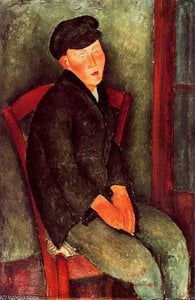
Giorgio de Chirico: Vize einer surrealistischen Seele
Giorgio de Chirico, geboren 1988 in Volos, Griechenland, als Sohn italienischer Eltern – einer Genuesischen Baronin und eines sizilianischen Barons – begann seine künstlerische Reise mit einer einzigartigen Mischung aus klassischem Erbe und einem wachsenden Gefühl der modernen Entfremdung. Seine frühe Ausbildung an der Theatralisch-Mathematischen Schule in Athen legte eine solide Grundlage in traditionellen Techniken, doch erst seine Studien in München entfachten seinen kreativen Geist. Dort, inmitten des intellektuellen Aufbruchs Europas vor dem Ersten Weltkrieg, begegnete er Werken von Arnold Böcklin und Max Klinger – Künstlern, deren symbolische Landschaften und geisterhafte Bilder sein eigenes künstlerisches Konzept tiefgreifend prägten. Ebenfalls entscheidend für seine Entwicklung waren die philosophischen Strömungen der Zeit – die Schriften von Friedrich Nietzsche, Arthur Schopenhauer und Otto Weininger, die Themen wie Existenzialismus, die Irrationalität menschlicher Begierden und die subjektive Natur der Realität erforschten. Diese Ideen wurden zu den Eckpfeilern seiner bahnbrechenden künstlerischen Vision.
Die Geburt der Metaphyschen
Um 1909 begann sich aus seinen Erkundungen ein einzigartiger Stil herauszudecken – ein Stil, den er selbst “Metaphysische” Kunst nannte. Dies war nicht nur eine stilistische Innovation; es war ein tiefgreifender Versuch, die verborgenen Realitäten unter der Oberfläche des Alltags aufzudecken, die verstörende Poesie in vertrauten Räumen zu enthüllen. Ein entscheidendes Ereignis ereignete sich während eines Besuchs in Florenz und einer Erfahrung im Piazza Santa Croce – ein Moment, der seine ikonische Serie “Metaphysischer Stadtplatz” inspirierte. Diese Gemälde zeichnen sich durch ihre unheimliche Stille, lange dramatische Schatten, willkürliche Perspektiven und die Präsenz klassischer Architektur, kontrastierend mit verstörenden Elementen wie leeren Mannequins und bedrohlichen Statuen aus. Das Ergebnis ist tief beunruhigend und erzeugt ein Gefühl von Nostalgie, Isolation und einer fast unerträglichen Sehnsucht nach etwas Verlorenem oder Unattainablem. De Chirico gründete die *Scuola Metafisica*, die einen tiefgreifenden Einfluss auf Surrealismus hatte, obwohl er sich später von dessen Interpretationen seiner Arbeit distanzierte. Seine Gemälde waren nicht dazu gedacht, Träume darzustellen, sondern vielmehr eine Realität jenseits der sichtbaren Welt zu zeigen – ein Reich, in dem Zeit und Raum fließen und die Grenzen zwischen Bewusstsein und Unterbewusstsein verschwimmen. Werke wie *Die Qualen des Denkers*, *Das Rätsel eines Herbstnachmittags* und *Das Lied der Liebe* veranschaulichen diese beunruhigende Ästhetik und laden den Betrachter ein, über die Geheimnisse der Existenz und die Zerbrechlichkeit menschlicher Wahrnehmung nachzudenken.
Einflüsse und künstlerische Entwicklung
De Chiricos frühe Arbeiten zeigten deutliche Einflüsse von Böcklin und Klinger, insbesondere in Bezug auf die Verwendung von Symbolik und die Darstellung von melancholischen Landschaften. Die Begegnungen mit den philosophischen Ideen Nietzsches, Schopenhauers und Weiningers prägten seine Sichtweise der Welt und führten zu einer Auseinandersetzung mit Themen wie Isolation, Entfremdung und dem Streben nach Sinn in einer scheinbar sinnlosen Existenz. Die Erfahrung im Piazza Santa Croce in Florenz war ein entscheidender Moment, der ihn dazu brachte, die traditionelle Malerei zu hinterfragen und eine neue Art des Sehens zu entwickeln – eine, die sich auf die Darstellung von Realitäten konzentrierte, die jenseits der sichtbaren Welt lagen. Nach dem Ersten Weltkrieg begann De Chirico, seine frühere Metaphysische Kunst zu verlassen und stattdessen einen traditionelleren neoklassischen oder neobarocken Stil zu verfolgen. Diese Entscheidung stieß auf heftige Kritik, da viele Kritiker beklagten, dass er seinen innovativen Geist aufgegeben habe. Dennoch blieb De Chirico seiner künstlerischen Vision treu und erkundete weiterhin verschiedene Stile und Themen, während er sich stets für Handwerkskunst und technische Meisterschaft einsetzte.
Ein Vermächtnis der Mystik
Trotz der Kritik hatte De Chiricos Werk einen nachhaltigen Einfluss auf nachfolgende Generationen von Künstlern. Seine innovative Verwendung von Raum, Perspektive und Symbolik stellte traditionelle künstlerische Normen in Frage und ebnete den Weg für neue Formen des Ausdrucks. Sein Werk ist ein entscheidender Übergang zwischen dem Symbolismus der späten 19. Jahrhunderts und dem Aufstieg des Surrealismus im frühen 20. Jahrhundert. Er wurde direkt von Künstlern wie René Magritte und Salvador Dalí beeinflusst, die seine metaphysischen Gemälde als Inspiration für ihre eigenen traumhaften Welten nutzten. Sein Werk hatte auch Einfluss auf spätere Bewegungen wie den Magic Realism, der die Darstellung alltäglicher Realität mit einem erhöhten Gefühl von Mysterium und psychologischer Tiefe suchte. Heute werden De Chiricos Gemälde in bedeutenden Museen auf der ganzen Welt ausgestellt, darunter das Museum, das seinem Werk gewidmet ist, in der Nähe der Spanischen Treppe in Rom, wodurch sein Vermächtnis als eine der wichtigsten Figuren der Kunst des 20. Jahrhunderts gesichert bleibt. Er hinterließ nicht nur ein Werk von Kunst, sondern auch eine neue Art zu sehen – eine Art, die Welt als einen Ort verborgener Bedeutungen, verstörender Schönheit und bleibender Mystik wahrnimmt.
Schlüssel-Einflüsse & künstlerische Linie
- Beeinflusst von: Arnold Böcklin, Max Klinger, Friedrich Nietzsche, Arthur Schopenhauer
- Beeinflusst: Surrealismus, insbesondere Künstler wie René Magritte und Salvador Dalí. Sein Werk hatte auch Einfluss auf spätere Bewegungen wie Magic Realism.



 Zobrazit v interiéru
 Přepnout na tiskové verze
 Odeslat
 Sdílet
 Podrobnosti
 Průvodce

 Stáhnout obrázek
 Podobné kousky
 Rentgenové snímky
 Slideshow
 Statistiky

 Přečíst si více






































 Skleněná varianta je dostupná pouze u rozměrů menších než 110 cm