BEZPLATNÉ UMĚLECKÉ PORADENSTVÍ

x
Koupit tisk Koupit tiskObjednat reprodukci Objednat reprodukci SdíletSdílet
Podrobnosti o dílePodrobnosti o díle Přidat do oblíbených Přidat do oblíbených StáhnoutStáhnout Podobné položkyPodobné položky Rentgenové snímkyRentgenové snímky SlideshowSlideshow

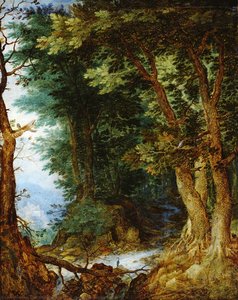
Forest Landscape

Gillis Van Coninxloo’s ‘Forest Landscape’ (1598) is a stunning oil on panel depicting a dark woodland scene. Explore its intricate details, chiaroscuro & Flemish Golden Age style.

Explore the landscapes of Gillis van Coninxloo, a Flemish master (1544-1607). Known for dense forest scenes & influential work on northern landscape art.

Koupě vysoce rozlišeného, vylepšeného digitálního obrazu, který je mnohem kvalitnější než online náhled.

Každý soubor je pečlivě připraven našimi odborníky pomocí pokročilých nástrojů a expertní manuální retuše. Zajišťujeme, aby každý obraz disponoval výjimečnou ostrostí, přesnou barevnou věrností a jemnými detaily.

Finální soubor vám bude do 72 hodin zaslán e-mailem, optimalizovaný pro okamžité použití v profesionálním, redakčním i tiskovém prostředí. Nabízíme stejnou kvalitu, které důvěřují špičková designová studia, nakladatelství i galerie.

Digitální obrazy

Stáhněte si soubor ve vysokém rozlišení pro osobní prohlížení, tisk a kreativní projekty.

Celková cena

$9.99

Součást každé objednávky digitálního obrazu

Profesionální digitální doručení, zaručeno.

Když si vyberete WahooArt.com, nezískáváte pouze obrázek – získáváte digitální umělecké dílo s profesionálně vylepšenými detaily, zpracované s precizností a podpořené zárukou za spokojenost. Zde je vše, co vaše objednávka automaticky obsahuje:

shipping_icon
Rychlé doručení e-mailem

Váš digitální obraz ve vysokém rozlišení vám bude zaslán e-mailem do 72 hodin od objednávky – připraven k okamžitému použití.

canvas_icon
Digitální soubor s využitím AI

Vaše umělecké dílo je profesionálně optimalizováno pomocí pokročilých nástrojů umělé inteligence a manuální úpravy, což zajišťuje maximální úroveň detailu, ostrosti a přesnosti barev.

insurance_icon
Bezplatné doživotní znovuodeslání

Soubor jste omylem smazali nebo ztratili? Žádný problém – kdykoliv vám ho znovu zašleme zcela zdarma.

tax_icon
Bez poplatků za dovoz – navždy

Užijte si své umělecké dílo okamžitě bez celních poplatků, daní nebo nákladů na dopravu – digitální stažení je vždy bez daňových povinností.

color_icon
Záruka přesnosti barev

Pomocí profesionálních nástrojů a správy barev zajišťujeme, aby váš digitální obraz odrážel původní barvy co nejvěrněji.

return_icon
60denní záruka spokojenosti

Pokud nebudete s digitální fotografií spokojeni, provedeme její revizi nebo vám vrátíme 100% během 60 dnů – bez jakýchkoliv dotazů.

guarantee_icon
100% záruka vrácení peněz

Nespokojeni? Získejte plnou částku zpět do 60 dní od přijetí vašeho digitálního souboru – bez jakýchkoliv dotazů.

discount_icon
Slevy při hromadných objednávkách

Koupěte si 3 obrazy, ušetřete 10% - Koupěte si 5, ušetřete 15% - Koupěte si 10+, ušetřete 20%. Ideální pro kreativní projekty, galerie a agentury.

Popis sběratelského kusu

The Forest Landscape painting by Gillis Van Coninxloo is a remarkable artwork that showcases the artist's skill and attention to detail. Created in 1598, this oil on panel painting measures 42 x 61 cm and is housed at the Liechtenstein Museum in Vienna, Austria.

Composition and Color Palette

The painting features a winding path that invites viewers into the heart of the forest, surrounded by dense trees with trunks and branches intertwining to form a canopy overhead. The leaves are painted in various hues of green, adding a touch of life to the otherwise somber palette. In the background, a small village can be glimpsed, creating a sense of depth and distance. Key Features of the painting include:
  • The use of oil on panel, which lends the artwork a rich texture and depth
  • The attention to detail, from individual leaves on the trees to distant houses in the village
  • The harmonious balance between light and shadow, nature and civilization

Artist and Style

Gillis Van Coninxloo was a Flemish painter known for his landscapes and forest scenes. His style is characterized by the use of dark colors and intricate details, creating a sense of depth and atmosphere in his paintings. The Forest Landscape painting is a prime example of his skill and craftsmanship. For more information on Gillis Van Coninxloo and his artworks, visit /art/list/?Filter=8Y34YR-Gillis-Van-Coninxloo-Forest-Landscape. To learn more about the Liechtenstein Museum and its collections, check out https://WahooArt.com/ADC/Art.nsf/O/8Y34YR/$File/Gillis-Van-Coninxloo-Forest-Landscape-2-.JPG.
The Forest Landscape painting is a beautiful representation of a forest landscape from the late 16th century, and its intricate details and harmonious color palette make it a captivating artwork that continues to inspire art lovers today.

Biografie umělce

Scipione Pulzone: A Counter-Maniera Master of Roman Portraiture

Scipione Pulzone, a name perhaps less familiar than those of his contemporaries, stands as a significant figure within the late Italian Renaissance and the burgeoning Mannerist movement. Born in Gaeta around 1544 and tragically dying in Rome in 1598, Pulzone’s career was marked by a remarkable versatility – he excelled not only in grand religious commissions but also in capturing the nuanced personalities of Roman nobility through portraiture. His work, often characterized by a subtle tension between elegance and unsettling detail, offers a fascinating glimpse into the artistic landscape of a Rome grappling with religious reform and shifting aesthetic ideals.

Pulzone’s early training is believed to have been under Jacopino del Conte in Rome, a connection that undoubtedly shaped his initial stylistic development. However, Pulzone quickly forged his own distinctive path, diverging from the more rigid conventions of Mannerism while retaining its core elements – elongated figures, complex compositions, and an emphasis on emotional intensity. Unlike many of his contemporaries who embraced overtly theatrical gestures, Pulzone’s portraits often convey a quiet dignity, revealing subtle shifts in expression that hint at hidden thoughts and emotions. This restraint, combined with his masterful handling of light and shadow, created a sense of psychological depth rarely found in portraiture of the period.

  • Key Works: Pulzone’s oeuvre is remarkably diverse, encompassing altarpieces, frescoes, and above all, portraits. Notable works include his depiction of Pope Gregory XIII, a strikingly realistic portrayal that captures the pontiff's authority and gravitas; a *Pietà* for Gesù church in Rome; a dramatic *Assumption with the Apostles* for San Silvestro al Quirinale; and a poignant *Crucifixion* for Santa Maria in Vallicella. His masterpiece, Mater Divinae Providentiae (circa 1580), ignited a fervent devotion to Our Lady of Providence within Rome’s Catholic circles, influencing artistic and religious practices for years to come.
  • Influence: Pulzone's work demonstrates a clear debt to Girolamo Siciolante da Sermoneta, whose dramatic use of color and unsettling imagery resonated deeply with the artist. However, Pulzone skillfully integrated these influences into his own unique style, creating a synthesis that is both powerful and profoundly human.
  • Patronage: He served several prominent patrons throughout his career, including the Medici family in Florence and the courts of Naples and Tuscany. His ability to adapt to diverse artistic tastes and cultural contexts speaks volumes about his skill as an artist and diplomat.

The Counter-Maniera and Pulzone’s Distinctive Style

Pulzone's work is often categorized within the broader category of “Counter-Maniera,” a term coined to describe artists who reacted against the extreme stylization of late Mannerism. While he shared some stylistic affinities with Mannerist painters – elongated figures, complex spatial arrangements, and an emphasis on emotional expression – Pulzone injected a greater sense of naturalism and psychological realism into his work. Unlike the often-artificial poses and exaggerated gestures of many Mannerists, Pulzone’s subjects appear remarkably lifelike, their faces imbued with genuine emotion.

His compositions are frequently characterized by a dynamic tension between stability and instability, creating a visual experience that is both captivating and unsettling. He employed a sophisticated use of perspective and foreshortening to create a sense of depth and spatial ambiguity, drawing the viewer into the scene and inviting them to contemplate its mysteries. Pulzone’s masterful manipulation of light and shadow further enhances this effect, casting dramatic highlights on key figures while obscuring others in darkness, thereby directing the viewer's attention and intensifying the emotional impact of the work.

Furthermore, Pulzone’s portraits are distinguished by their remarkable attention to detail. He meticulously rendered the textures of fabrics, the nuances of facial expressions, and the subtle gestures that reveal a subject’s personality. This commitment to realism was particularly evident in his depictions of Roman nobility, where he captured not only their physical appearance but also their social status and inner lives.

A Roman Artist at the Crossroads

Pulzone's career unfolded during a period of profound religious and political upheaval in Italy. The Counter-Reformation was reshaping the Catholic Church’s relationship with society, and artists were increasingly called upon to serve as propagandists for the faith. Pulzone’s work reflects this changing landscape, blending traditional religious themes with contemporary concerns about social order and moral authority.

His portraits of prominent Roman figures – including Pope Gregory XIII, Cardinal de' Medici, and members of the Medici family – served not only to celebrate their achievements but also to reinforce their legitimacy as rulers. His depictions of religious scenes, such as the *Assumption with the Apostles* and the *Crucifixion*, conveyed a sense of urgency and conviction that resonated with the Catholic faithful.

Despite his success, Pulzone’s career was tragically cut short by illness in 1598. His untimely death left behind a legacy of remarkable artistic achievement, solidifying his place as one of the most important painters of the late Italian Renaissance and a key figure in the development of Counter-Maniera.

Legacy and Historical Significance

Scipione Pulzone’s influence extends beyond his individual works. He played a crucial role in shaping the artistic landscape of Rome during the 16th century, introducing new stylistic approaches and challenging established conventions. His work served as an inspiration for subsequent generations of artists, including those who followed in the Counter-Maniera tradition.

Today, Pulzone’s paintings are housed in major museums around the world, offering viewers a rare opportunity to experience the beauty and power of his art. His portraits continue to captivate audiences with their psychological depth and emotional resonance, reminding us of the enduring legacy of this remarkable artist. His work stands as a testament to the dynamism and complexity of the Italian Renaissance, reflecting both its artistic achievements and its turbulent historical context.