BEZPLATNÉ UMĚLECKÉ PORADENSTVÍ
x
Ručně malovaná olejná barva na plátně ve vašem zvoleném rozměru i s rámem, vyrobená našimi umělci na zakázku.
Vyberte si z našich přednastavených velikostí, které odpovídají původním proporcím díla.
Můžete zadat vlastní rozměry pro konkrétní rám nebo prostor. Pokud se vámi vybraná velikost neshoduje s proporcemi původního obrazu, dílo buď ořízneme, nebo jej doplníme ručně malovanými prvky. Před zahájením výroby vám bude zaslán digitální náhled ke schválení.
Upozorňujeme, že náhled na obrazovce neodpovídá skutečnému ořezu ani rozšíření. Pouze digitální náhled přesně zobrazí finální kompozici.
Ačkoliv je možné zvolit vlastní velikost, pro zachování původních proporcí doporučujeme vybrat rozměr z předdefinovaného seznamu.
Celosvětová doprava () za 3–4 týdny namísto standardních 5 týdnů. (2 červenec). Bez kompromisů v kvalitě.
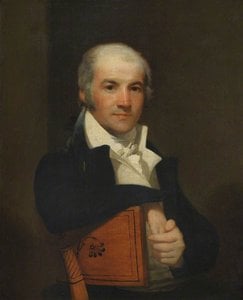
Josiah Quincy
Rozměry reprodukce
Gilbert Stuart's portrait of Josiah Quincy, completed in 1824, is more than just a likeness; it’s a carefully constructed embodiment of the burgeoning intellectual and political landscape of early America. The painting captures not merely Quincy’s physical appearance but also his perceived character – a blend of astute observation, civic duty, and quiet dignity that defined his influential career as a lawyer, diplomat, and mayor of Boston.
The composition itself is meticulously balanced. Quincy sits in a three-quarter pose, his gaze direct and unwavering, inviting the viewer into an intimate conversation across time. The dark, rich tones of his coat and shirt create a sense of gravitas, while the subtle highlights on his face draw attention to his intelligent eyes and thoughtful expression. Stuart’s masterful use of light and shadow – particularly around the edges of Quincy's form – lends the portrait a remarkable depth and realism, suggesting both strength and vulnerability. The restrained background, deliberately muted in dark hues, serves to amplify the subject’s presence, focusing our attention entirely on his commanding figure.
Stuart's style firmly places this portrait within the Neoclassicism movement, a trend that swept through Europe and America in the late 18th and early 19th centuries. Rooted in the ideals of ancient Greece and Rome, Neoclassical art emphasized order, clarity, and rationalism. This is evident in Stuart’s precise rendering of Quincy's features – each line and curve meticulously observed and faithfully reproduced. The formal arrangement of the figure, reminiscent of classical sculpture, further reinforces this connection to antiquity.
Technically, the painting showcases Stuart’s exceptional skill with oil paints. He employed a layering technique, building up thin glazes of color to achieve subtle gradations of tone and texture. This meticulous approach allowed him to capture the nuances of Quincy's skin, clothing, and the reflective quality of his spectacles – details that contribute significantly to the portrait’s lifelike appearance. The use of a smooth, polished surface further enhances the sense of realism, creating an almost tactile experience for the viewer.
Josiah Quincy Sr. (1772-1861) was a pivotal figure in Boston’s intellectual and political life. A lawyer, diplomat, and prominent member of the Massachusetts legislature, he championed education reform and advocated for civic engagement. His portrait reflects his status as a respected public servant – a man dedicated to the betterment of his community and nation. The dark coat, with its high collar, suggests an official role, while his thoughtful expression hints at the weighty responsibilities he carried.
Interestingly, Quincy was also a noted letter writer and intellectual, known for his sharp wit and insightful observations on social and political issues. The portrait captures not just his outward appearance but also the essence of his character – a blend of intellect, integrity, and civic virtue. It’s a testament to Stuart's ability to convey personality through visual representation.
Beyond its technical brilliance, the painting is rich in subtle symbolism. The spectacles, perched on Quincy’s nose, represent his intellectual pursuits and his commitment to reason. The dark clothing can be interpreted as a symbol of seriousness and responsibility – reflecting his role as a public official. And perhaps most powerfully, Quincy's direct gaze invites us to contemplate the legacy of this influential figure and the enduring values he championed.
Today, Gilbert Stuart’s portrait of Josiah Quincy remains a captivating work of art, offering a glimpse into the world of early American politics and intellectual life. It stands as a testament to Stuart's artistic skill and his ability to capture not just likeness but also character – a timeless portrayal of a man who shaped the destiny of Boston and contributed significantly to the nation’s growth.
1755 - 1828 , Spojené království
Sdělte nám více o svém projektu a naši odborníci na umění vám připraví 3 personalizované návrhy uměleckých děl.
Nechť pro vás vybereme 3 možnosti – zdarma!