BEZPLATNÉ UMĚLECKÉ PORADENSTVÍ

x
Koupit tisk Koupit tiskObjednat reprodukci Objednat reprodukci SdíletSdílet
PodrobnostiPodrobnosti Přidat do oblíbených Přidat do oblíbených StáhnoutStáhnout Podobné položkyPodobné položky Rentgenové snímkyRentgenové snímky SlideshowSlideshow

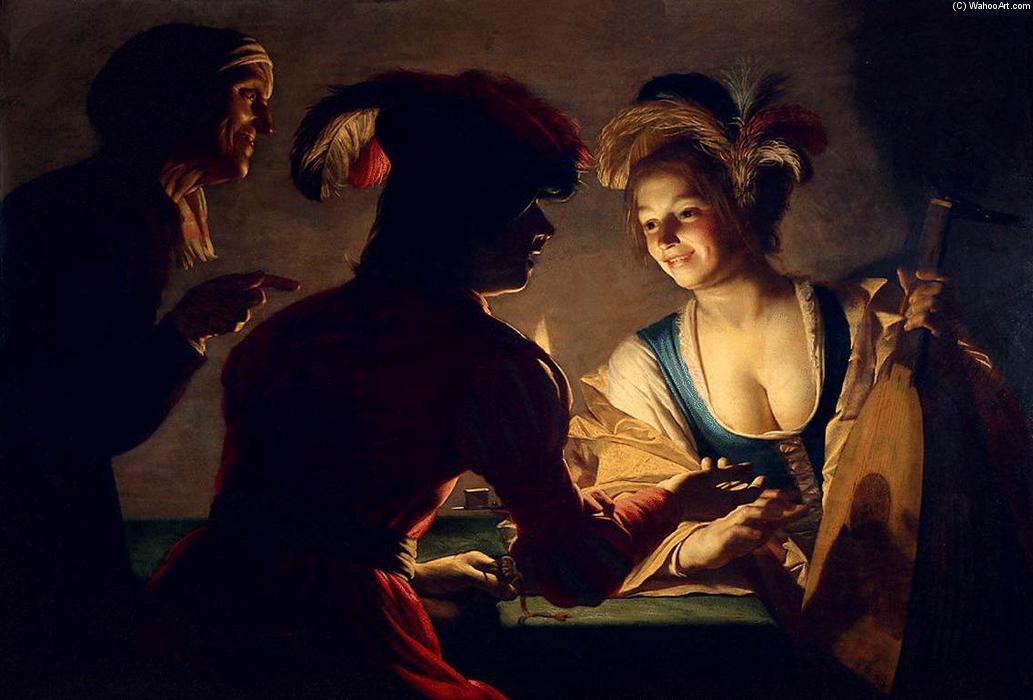
Prodavačka

Poznejte ikonickou obrazovou dílo Gerard van Honthorsta – Prodavačku! Tento dramatický obraz z období zlatého věku holandské malby zachycuje scénu plnou kontrastů světla a stínu ve stylu Caravaggia. Kvalitní reprodukce nyní dostupná.

Gerard van Honthorst byl nizozemský malíř známý pro dramatické barokní obrazy s výrazným světlem a stínem (tenebrism). Jeho díla zobrazují biblické scény i portréty a jsou klíčovou součástí Utrechtské školy Caravaggistů.

Koupě vysoce rozlišeného, vylepšeného digitálního obrazu, který je mnohem kvalitnější než online náhled.

Každý soubor je pečlivě připraven našimi odborníky pomocí pokročilých nástrojů a expertní manuální retuše. Zajišťujeme, aby každý obraz disponoval výjimečnou ostrostí, přesnou barevnou věrností a jemnými detaily.

Finální soubor vám bude do 72 hodin zaslán e-mailem, optimalizovaný pro okamžité použití v profesionálním, redakčním i tiskovém prostředí. Nabízíme stejnou kvalitu, které důvěřují špičková designová studia, nakladatelství i galerie.

Digitální obrazy

Stáhněte si soubor ve vysokém rozlišení pro osobní prohlížení, tisk a kreativní projekty.

Celková cena

$9.99

Součást každé objednávky digitálního obrazu

Profesionální digitální doručení, zaručeno.

Když si vyberete WahooArt.com, nezískáváte pouze obrázek – získáváte digitální umělecké dílo s profesionálně vylepšenými detaily, zpracované s precizností a podpořené zárukou za spokojenost. Zde je vše, co vaše objednávka automaticky obsahuje:

shipping_icon
Rychlé doručení e-mailem

Váš digitální obraz ve vysokém rozlišení vám bude zaslán e-mailem do 72 hodin od objednávky – připraven k okamžitému použití.

canvas_icon
Digitální soubor s využitím AI

Vaše umělecké dílo je profesionálně optimalizováno pomocí pokročilých nástrojů umělé inteligence a manuální úpravy, což zajišťuje maximální úroveň detailu, ostrosti a přesnosti barev.

insurance_icon
Bezplatné doživotní znovuodeslání

Soubor jste omylem smazali nebo ztratili? Žádný problém – kdykoliv vám ho znovu zašleme zcela zdarma.

tax_icon
Bez poplatků za dovoz – navždy

Užijte si své umělecké dílo okamžitě bez celních poplatků, daní nebo nákladů na dopravu – digitální stažení je vždy bez daňových povinností.

color_icon
Záruka přesnosti barev

Pomocí profesionálních nástrojů a správy barev zajišťujeme, aby váš digitální obraz odrážel původní barvy co nejvěrněji.

return_icon
60denní záruka spokojenosti

Pokud nebudete s digitální fotografií spokojeni, provedeme její revizi nebo vám vrátíme 100% během 60 dnů – bez jakýchkoliv dotazů.

guarantee_icon
100% záruka vrácení peněz

Nespokojeni? Získejte plnou částku zpět do 60 dní od přijetí vašeho digitálního souboru – bez jakýchkoliv dotazů.

discount_icon
Slevy při hromadných objednávkách

Koupěte si 3 obrazy, ušetřete 10% - Koupěte si 5, ušetřete 15% - Koupěte si 10+, ušetřete 20%. Ideální pro kreativní projekty, galerie a agentury.

Základní informace

  • Movement: Dutch Golden Age
  • Influences: Caravaggio
  • Medium: Oil on panel
  • Artist: Gerard van Honthorst
  • Notable elements or techniques: Tenebrism; Dramatic lighting
  • Year: 1625
  • Subject or theme: Love; Betrayal; Social commentary

Kvíz o umění

U každé otázky je pouze jedna správná odpověď.

Otázka 1:
What artistic technique is prominently featured in Gerard van Honthorst’s ‘The Procuress’, characterized by dramatic contrasts between light and dark?
Otázka 2:
Where was Gerard van Honthorst’s artistic development significantly influenced by a pivotal encounter with the Baroque artist Caravaggio?
Otázka 3:
What is the primary subject matter depicted in ‘The Procuress’, reflecting common themes prevalent in Dutch Golden Age art?
Otázka 4:
The painting utilizes a technique called chiaroscuro, which contributes to its dramatic impact. What does chiaroscuro primarily achieve?
Otázka 5:
‘The Procuress’ is housed in which museum?

Popis sběratelského kusu

Gerard van Honthorstův „Procuress“ – Dramatický Pohled do Římanského Baroka

Gerard van Honthorst, narozený roku 1590 v Utrechtu, byl významným představitelem nizozemského zlatého věku a jeho dílo zůstává fascinující kombinací světla a stínu. Jeho cesta začala pod vedením otce, dekorativního malíře, kde získal základní znalosti kreslení a kompozice. Nicméně skutečnou inspiraci našel v Římě, kde byl ohromen revolucionářstvím Caravaggia – umělcem, který zásadně ovlivnil jeho estetické cítění a získal si přezdívku „Gherardo delle Notti“, což znamená Gerard z nocí. Tento kontakt s italštinou Barokovou technikou tenebrismu, která využívá dramatické kontrasty mezi světlem a tmou, se stal Honthorstovým charakteristickým znakem a výrazně podpořil jeho tvorbu. Jeho díla nejsou jen kopiemi Caravaggia, ale vyjadřují jeho vlastní interpretaci tohoto stylu.
  • Styl: Honthorstův obraz „Procuress“ je klasickým příkladem nizozemského zlatého věku a vykazuje výrazné prvky italštiny Barokové estetiky. Jeho použití tenebrismu vytváří intenzivní dramatický efekt, který působí na oko diváka.
  • Technika: Honthorst pracoval především olejovou technikou na dřevěném panelu, což umožňovalo dosažení vysoké úrovně detailů a přesnosti reprodukce obrazu. Jeho pečlivé kreslení a pozornost k osvětlení jsou důkazem jeho mistrovské práce.
  • Historický Kontext: Obraz vznikl v roce 1625 za vlády Filipa IV., což byl vrchol období nizozemského zlatého věku. „Procuress“ odráží společenské hodnoty a zájmy té doby, zejména téma bohatství, luxusu a sexuálních vztahů.
  • Symbolismus: Červená barva působící na pozadí obrazu může symbolizovat vášeň nebo zločin. Světlo osvětlující hlavní postavy vytváří kontrast s tmou okolního prostoru, což podtrhuje dramatickou atmosféru díla a vyjadřuje komplexní emocionální obsah.
Emoční Dopad: „Procuress“ vyvolává silné emoce u diváka díky své dynamické kompozici a působivému osvětlení. Honthorst dokázal vytvořit obraz, který vypráví příběh a zároveň vyjadřuje filozofii života – což je kvalitní znak dobrého umění. Jeho dílo inspiruje k zamyšlením nad společenskými vztahy a lidskou psychologií.

Výborná Reprodukce pro Domácí Dekor

Pokud hledáte originální dekorativní doplněk, který bude vyprávět příběh a zároveň působivě osvětlit prostor vašeho domu, reprodukce „Procuress“ od WahooArt.com představuje ideální řešení. Kvalitně zpracovaná kopie tohoto ikonického obrazu vám umožní ocenit krásu klasické evropské výtvarné kultury a vytvořit atmosféru elegance a dramatu ve vašem interiéru. Kontaktujte nás ještě dnes!

Biografie umělce

A Master of Light and Shadow: The Life and Art of Gerard van Honthorst

Gerard van Honthorst emerged from Utrecht in 1592, a pivotal figure poised to illuminate the Dutch Golden Age with his dramatic artistry. Initially guided by his father, a decorative painter, young Gerard’s talent blossomed under the tutelage of Abraham Bloemaert, establishing a solid foundation in draftsmanship and composition. However, it was a transformative journey to Rome that irrevocably altered the course of his artistic development. There, amidst the fervent energy of the Italian Baroque, he encountered the groundbreaking work of Caravaggio – an encounter that would define his signature style and earn him the evocative nickname “Gherardo delle Notti,” or Gerard of the Nights. The dramatic use of *tenebrism*, a technique employing stark contrasts between light and dark, became Honthorst’s hallmark, imbuing his canvases with a palpable sense of drama and emotional intensity. He wasn't merely imitating Caravaggio; he was translating the Italian master’s innovations into a distinctly Dutch sensibility, focusing on intimate scenes illuminated by artificial light sources – candles, lamps, and fires – creating an atmosphere both realistic and deeply theatrical. This mastery over light wasn’t simply technical skill; it was a means of revealing character, of drawing the viewer into the emotional core of each scene.

Early Life and Artistic Training in Utrecht

Gerard van Honthorst was born in Utrecht, the son of Herman van Honthorst, a tapestry designer and a founding member of the Utrecht Guild of St. Luke. His father’s profession instilled in him an appreciation for detail and craftsmanship, while his early training under Abraham Bloemaert provided him with the fundamental skills of draftsmanship and composition. Bloemaert, a respected painter in Utrecht, recognized Gerard's considerable talent and nurtured it diligently. This foundation proved crucial as Honthorst embarked on his artistic journey, initially exploring traditional Dutch styles before venturing into the more dramatic world of Italian Baroque painting. The vibrant art scene of Utrecht during this period fostered experimentation and encouraged artists to push boundaries, contributing to the development of a unique regional style that would later be known as *Utrecht Caravaggism*.

Rome: Encountering Caravaggio and Developing His Style

Around 1610, Honthorst made the momentous decision to travel to Rome. This journey marked a turning point in his artistic career, exposing him to the revolutionary techniques of Caravaggio and other leading Italian artists. The impact was immediate and profound. He was captivated by Caravaggio’s masterful use of *tenebrism*, the dramatic interplay of light and shadow that created an intense emotional atmosphere. Honthorst didn't simply copy Caravaggio; he adapted these innovations to his own artistic sensibilities, incorporating them into a distinctly Dutch style. His Roman period saw him working for prominent patrons, including Vincenzo Giustiniani, and producing works such as “Christ Before the High Priest,” now residing in London’s National Gallery – a painting that exemplifies his technical skill and psychological depth. The nickname "Gherardo delle Notti" (Gerard of the Nights) became associated with him due to his ability to evoke a sense of mystery and drama through the skillful manipulation of light.

Return to Utrecht and the Rise of a Court Painter

Upon returning to Utrecht around 1620, Honthorst quickly established himself as a leading portrait painter in the Dutch Republic. His talent for capturing not just physical likeness but also the character and social standing of his sitters made him highly sought after by wealthy merchants, nobles, and even royalty. He became president of the Guild of St. Luke in Utrecht in 1623, a testament to his growing influence within the artistic community. This period saw a flourishing of commissions, allowing Honthorst to refine his style and establish a distinctive voice within Dutch painting. His work during this time often featured genre scenes – depictions of everyday life – illuminated by candlelight or other artificial light sources, reflecting his signature mastery of *tenebrism*.

Collaborations and Royal Patronage

Honthorst’s artistic network extended beyond Utrecht, attracting the attention of influential figures in England. He was recommended to Sir Dudley Carleton, who enthusiastically introduced him to prominent English aristocrats like the Earl of Arundel and Lord Dorchester. This led to commissions from Queen Elizabeth of Bohemia, sister of Charles I, who employed him as both a painter and drawing master for her children. These royal connections culminated in significant works such as the allegorical depiction of Charles and Henrietta Maria as Diana and Apollo, now housed at Hampton Court Palace. Honthorst’s willingness to collaborate with other artists also speaks to his open-mindedness and artistic generosity. He famously hosted Peter Paul Rubens during a visit to Utrecht, even painting him in a playful scene depicting Diogenes searching for an honest man – a testament to the mutual respect between these two Baroque giants. While some collaborative works, like “The Taking of Christ,” were initially attributed solely to Honthorst, modern scholarship has revealed the contributions of other artists, highlighting the complex dynamics of artistic production during this period. These collaborations weren’t simply about sharing workload; they were intellectual exchanges that enriched the artistic landscape.

Legacy and Influence

Gerard van Honthorst's influence resonated far beyond his lifetime. He was a key figure in the *Utrecht Caravaggisti* movement – a group of Dutch painters who embraced Caravaggio’s dramatic realism and *tenebrism*. Alongside artists like Hendrick ter Brugghen and Dirck van Baburen, he helped to establish a distinctly Dutch interpretation of Italian Baroque style. His emphasis on genre scenes illuminated by artificial light sources, his masterful portraits, and his ability to convey emotional depth through skillful use of chiaroscuro left an indelible mark on the development of Dutch Golden Age painting. Even his brother, Willem van Honthorst, followed in his footsteps, though often with works initially misattributed to Gerard due to stylistic similarities.
  • Honthorst’s paintings continue to captivate audiences today.
  • His dramatic beauty and psychological insight are enduring qualities.
  • He cemented his place as a pivotal figure in art history.
Van Honthorst died in Utrecht in 1656, leaving behind a body of work that continues to illuminate the artistic landscape and remind us of the power of light and shadow to reveal the human condition.
Gerard van Honthorst

Gerard van Honthorst

1590 - 1656 , Nizozemsko

Stručné informace

  • Artistic Movement Or Style: Baroko, Caravaggisti
  • Artists Or Movements Influenced By This Artist: ['Utrecht Caravaggisti']
  • Artists Who Influenced This Artist: ['Caravaggio']
  • Date Of Birth: 1592 Utrecht
  • Date Of Death: 1656 Utrecht
  • Full Name: Gerard van Honthorst
  • Nationality: Nizozemec
  • Notable Artworks:
    • Christ před vysokou přísahou
    • Supta hostina
    • Diana a Apollo
  • Place Of Birth: Utrecht, Nizozemsko