Náhled Náhled v AR Přepnout na tisk Přepnout na digitální obraz Sdílet
Podrobnosti o díle Přidat do oblíbených Stáhnout Podobné položky Rentgenové snímky Slideshow Statistiky

Street Scene

A vibrant depiction of daily urban life unfolds in this 1939 social realism masterpiece by Gerard Sekoto, capturing the rhythmic essence of a street corner and inviting you to bring this piece of history into your home.

Gerard Sekoto (1913-1993) was a pioneering South African artist renowned for his urban black art & social realism paintings depicting everyday life. Exhibited internationally, he captured the spirit of Sophiatown and beyond.

Ručně malovaná olejová reprodukce

Ručně malovaná olejná barva na plátně ve vašem zvoleném rozměru i s rámem, vyrobená našimi umělci na zakázku. ( Přepnout na tisk Přepnout na digitální obraz)

P118B $10
P118H $10
P118W $10
P438Z $10
P508JH $12
P508YH $12
P805H $10
P805Z $10
P919BZ $10
P919G $10
P919XJ $10
P959ZH $10
P968JZ $12
W106C $8
W218G $10
W218JH $8
W218Y $10
W307PJ $10
W316G $10
W316PJ $8
W316Y $10
W398PJ $8
W4111J $10
W500HY $15
W500JH $15
W692G $12
W849H $8
W940BG $15
W953PJ $8

Standardní velikost
na míru
CM
INCH

Vyberte si z našich přednastavených velikostí, které odpovídají původním proporcím díla.

šířka
výška

Můžete zadat vlastní rozměry pro konkrétní rám nebo prostor. Pokud se vámi vybraná velikost neshoduje s proporcemi původního obrazu, dílo buď ořízneme, nebo jej doplníme ručně malovanými prvky. Před zahájením výroby vám bude zaslán digitální náhled ke schválení.
Upozorňujeme, že náhled na obrazovce neodpovídá skutečnému ořezu ani rozšíření. Pouze digitální náhled přesně zobrazí finální kompozici.
Ačkoliv je možné zvolit vlastní velikost, pro zachování původních proporcí doporučujeme vybrat rozměr z předdefinovaného seznamu.

Příklady možných změn: Nahrazení obličeje vlastní fotografií; Přidání domácího mazlíčka (např. nahrazení kočky psem); Vložení skrytého vzkazu do pozadí; Změna krajiny nebo prvků v pozadí.
Po přijetí objednávky vám tým WahooArt.com zašle e-mail s pokyny a poskytne náhledovou verzi.

Celosvětová doprava () za 3–4 týdny namísto standardních 5 týdnů. (19 září). Bez kompromisů v kvalitě.

why_choose_icon
Zdarma celosvětová expresní doprava
why_choose_icon
Vysoce kvalitní lněné plátno
why_choose_icon
Kompletní přepravní pojištění
why_choose_icon
Záruka vrácení celního poplatku
why_choose_icon
Záruka přesného barevného shodu
why_choose_icon
100dená lhůta pro vrácení zboží (pouze při vadách)
why_choose_icon
100% garance vrácení peněz
why_choose_icon
Sleva při hromadné objednávce

Celková cena

$ 272

reproduction

Street Scene

Technika reprodukce

Rozměry reprodukce

-

Celková cena za výběr

$ 272

Základní informace

  • Year: 1939
  • Artist: Gerard Sekoto
  • Subject or theme: Daily life and urban street activity
  • Title: Street Scene
  • Dimensions: 40 x 30 cm

A Window into the Soul of Sophiatown

In the quiet, rhythmic pulse of 1939, Gerard Sekoto captured a moment that transcends mere observation, offering instead a profound meditation on human existence. Street Scene is not simply a depiction of urban movement; it is a lyrical composition of daily life, where the mundane becomes monumental. Through his masterful lens, we are transported to a bustling corner where the labor of two men—one clutching a bucket, the other a shovel—serves as the grounded, tactile foundation of the piece. This scene of construction and toil is juxtaposed with the casual stillness of a seated figure, creating a beautiful tension between progress and repose. The painting breathes with the vitality of a community in motion, inviting the viewer to step into a world where every gesture, from the carrying of a heavy object to the simple act of standing still, tells a story of resilience and shared humanity.

The technique employed by Sekoto reflects his deep roots in social realism, a style that demands both technical precision and emotional honesty. The artist utilizes a palette that captures the dusty, sun-drenched atmosphere of the street, using light to define form and create depth within the 40 x 30 cm canvas. There is a rhythmic quality to the placement of the figures; the background characters—one burdened by a large object, another navigating the crowd with a backpack—act as echoes of the foreground activity, weaving a complex tapestry of social interaction. The brushwork, while controlled, possesses an organic warmth that softens the edges of the urban environment, turning a simple street corner into a stage for a timeless human drama.

For the discerning collector or interior designer, Street Scene offers much more than aesthetic beauty; it provides a profound historical and emotional anchor. As a pioneer who reshaped the perception of Black identity in South Africa, Sekoto’s work carries an inherent dignity that is palpable on the canvas. This piece serves as a sophisticated focal point for any curated space, bringing with it a sense of narrative depth and historical weight. Whether placed in a contemporary gallery setting or a classic study, the painting evokes a sense of nostalgia and respect for the enduring spirit of urban life. It is an invitation to contemplate the beauty found in the everyday, making it an invaluable acquisition for those who seek art that speaks to both the eye and the conscience.


Biografie umělce

A Voice of Sophiatown: The Legacy of Gerard Sekoto

Gerard Sekoto (1913-1993) stands as a monumental figure in South African art history, recognized not merely for his artistic output but for fundamentally reshaping perceptions of Black identity and experience during the turbulent era of apartheid. Born in the quiet Lutheran Mission Station of Botshabelo, Mpumalanga, he emerged from humble beginnings—the son of Andreas Sekoto, a clergyman deeply involved in establishing the Wonderhoek Diocesan School—to become one of the foremost champions of urban black art and social realism. His early life was a tapestry woven with religious faith and musical tradition; introduced to the family harmonium at a young age, he cultivated a lifelong passion for music that would forever inform the rhythmic soul of his visual compositions. His formative years in the Eastern Transvaal provided a foundation of intellectual discipline, as his education at Wonderhoek prepared him for a vocation as a teacher. However, the call of the canvas proved irresistible. Sekoto’s artistic journey began to gain formal momentum during his studies at Diocesan Teachers Training College in Pietersburg, where he honed his skills and gained recognition through art competitions. A pivotal moment arrived when he secured second prize in the May Esther Bedford Competition, an achievement that propelled him into the spotlight and solidified his determination to pursue a career dedicated to visual storytelling.

The Pulse of the City and the Dawn of Social Realism

In 1938, driven by an ambition to immerse himself within the burgeoning Black artistic community, Sekoto relocated to Johannesburg. This move proved transformative. In the vibrant, multi-racial energy of the city, he began to capture the essence of urban life with an unflinching honesty that would define his legacy. It was during this period that he encountered influential figures such as Judith Gluckman, who introduced him to the techniques of oil painting, allowing his work to transition from simple sketches to rich, textured explorations of light and human emotion. His arrival in Johannesburg marked a historic milestone for South African institutions; in 1940, the Johannesburg Art Gallery acquired one of his works, making him the first Black artist to have his art entered into a museum collection in the country. His paintings became vital historical records of pre-apartheid communities, specifically the lively, bustling neighborhoods of Sophiatown and later District Six in Cape Town. Through his brush, the everyday struggles and joys of ordinary people were elevated to the status of high art. He utilized social realism not just as a technique, but as a profound tool for dignity, portraying the humanity of the impoverished Black population with a grace that defied the dehumanizing laws of the era.

Exile, Evolution, and Eternal Significance

As the political landscape of South Africa darkened under the imposition of apartheid, Sekoto’s life took a more nomadic and bittersweet path. Leaving South Africa in 1947, he spent much of his later life in Europe, most notably in Paris. While physical distance separated him from his homeland, the spirit of South Africa remained the heartbeat of his work. Even while living abroad, he continued to draw profound inspiration from the landscapes and people of his birthright, ensuring that the memory of the vibrant townships remained etched in the global art consciousness. The significance of Gerard Sekoto’s oeuvre extends far beyond the borders of South Africa. His work has been exhibited internationally, from Stockholm and Venice to Washington and Senegal, earning him a place among the great modernists of the twentieth century. His legacy is defined by several enduring contributions:
  • Pioneering Urban Black Art: He broke the silence of the colonial era by centering the Black urban experience in fine art.
  • Mastery of Social Realism: He used realistic depictions to document social truths and advocate for the visibility of marginalized communities.
  • Cultural Bridge-Building: His ability to navigate both the rural traditions of his youth and the cosmopolitan influences of Paris created a unique, hybrid aesthetic.
  • Historical Preservation: His paintings serve as irreplaceable visual archives of South African neighborhoods that were later destroyed by forced removals.
Today, Sekoto is remembered not just as a painter, but as a witness. His life’s work remains a cornerstone of African cultural history, a testament to the resilience of the human spirit and the power of art to reclaim identity in the face of oppression.

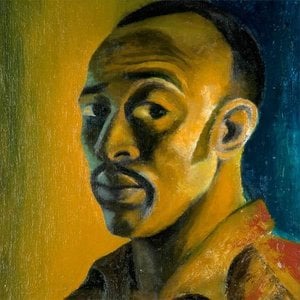
Gerard Sekoto

Gerard Sekoto

1913 - 1993 , South Africa

Rychlé fakta

  • Artistic Movement Or Style: Urban Black Art & Social Realism
  • Date Of Birth: 1913
  • Date Of Death: 1993
  • Full Name: Gerard Sekoto
  • Nationality: South African
  • Notable Artworks:
    • Washerwomen
    • The Jazz Band
    • Prayer in Church
  • Place Of Birth: Botshabelo, South Africa