

Umělecké dílo zobrazené na této stránce je chráněno autorským zákonem, což znamená, že nemůžeme legálně vytvářet ani prodávat jeho identickou reprodukci. Tato ochrana je vymáhána na základě mezinárodních dohod, jako například Berberská úmluva a národními zákony, včetně těch stanovených v Americký autorský zákon – Díl 17. Všechna práva vyhrazena.
Tato metoda je plně v souladu s autorským právem, protože nezahrnuje kopírování ani duplikování chráněného díla. Jde o kreativní reinterpretaci – nový obraz, který je inspirován originálem, ale není s ním identický.
Giclée nebo plátěný tisk muzeální kvality s rychlou výrobou a širokou nabídkou povrchových úprav. ( Koupit ručně malovaný obraz Přepnout na digitální obraz)





























Vyberte si z našich přednastavených velikostí, které odpovídají původním proporcím díla.

Zadejte šířku a výšku, které potřebujete pro váš rám nebo stěnu. Tisk lze pouze oříznout, nikdy však nelze zvětšit obraz nad jeho původní rozměr, proto při výběru jiného formátu dochází ke ztrátě části obrazu. Před samotným tiskem vám zašleme digitální náhled k schválení. Obraz zobrazený na této stránce nenabízí skutečný výřez — ten uvidíte pouze v náhledu.
Celosvětové doručení () do 2 týdnů namísto standardních 4/5 týdnů. (10 listopad)
Bring your death out!
Rozměry reprodukce
In the hauntingly profound charcoal drawing "Bring Your Death Out!", Georges Rouault invites the viewer into a somber realm where the boundaries between life and decay dissolve. Created in 1946, as the shadows of World War II were only just beginning to recede, this work serves as a visceral embodiment of existential dread and spiritual reckoning. The scene is dominated by skeletal figures, their forms etched with an unsettling energy that transcends mere anatomical study. Rather than presenting a clinical view of death, Rouault captures the psychological weight of mortality, using the starkness of the medium to mirror the profound anxiety and loss felt by a world recovering from unprecedented conflict. It is not merely a depiction of the end of life, but an immersive experience into the artist’s deeply felt spiritual convictions and his unflinching gaze upon human suffering.
The composition is masterfully orchestrated through a pyramidal arrangement, a classical technique that Rouault subverts to create a sense of rising tension. The viewer's eye is drawn upward, following the jagged, expressive lines of the skeletal forms toward a central figure that commands the space with dramatic gesture. There is no stillness here; instead, there is a rhythmic, unsettling dynamism created by the overlapping limbs and the diagonal thrust of bones and ribs. This structural complexity ensures that the gaze never rests, mirroring the restless, searching nature of the human soul when confronted with the inevitable. For the collector or designer, this piece offers a powerful focal point—a work that demands attention through its sheer emotional gravity and sophisticated structural balance.
Rouault’s technical prowess is most evident in his command over light and shadow, a skill likely honed during his early years as an apprentice in stained glass restoration. In this work, he employs meticulous hatching and cross-hatching to sculpt the skeletal figures out of the darkness. The lines are not merely outlines; they are thick, bold, and pulsating with life, acting as heavy contours that delineate the fragility of the bones against a muted, atmospheric background. This dramatic use of chiaroscuro creates deep, engulfing shadows that swallow portions of the figures, emphasizing their vulnerability and suggesting that the confrontation with darkness is an unavoidable facet of the human condition.
The monochromatic palette—a disciplined range of blacks, grays, and whites—strips away the distractions of color to focus entirely on texture and form. The rough, tactile quality of the charcoal creates a surface that feels as weathered and ancient as the subject matter itself. This emphasis on texture adds a layer of visceral impact, making the decay feel tangible to the observer. For those seeking to incorporate fine art into a sophisticated interior, the monochromatic elegance of this piece provides a versatile yet profound aesthetic, capable of anchoring a room with its intense, brooding presence and timeless artistic merit.
Beyond its striking visual impact, "Bring Your Century Out!" is steeped in symbolic resonance. The skeletal figures serve as universal symbols of mortality, yet within Rouault’s specific theological framework, they also represent a form of spiritual purification. The presence of figures in clerical garb suggests a critique or perhaps a profound commentary on the role of organized religion amidst human catastrophe. There is an inherent tension between the grotesque nature of the decay and the underlying search for compassion and faith that characterized Rouault's entire oeuvre.
To possess a reproduction of this work is to hold a piece of history that speaks to the resilience of the human spirit in the face of despair. It is a work that resonates with anyone moved by the themes of empathy, suffering, and the eternal struggle between light and dark. As an investment in fine art, it offers more than just decoration; it provides a window into the soul of one of the 20th century's most poignant Expressionists, making it an invaluable addition to any collection dedicated to works of deep emotional and historical significance.
Dominantní odstín díla „Bring your death out!“ od Georges Rouault je Green to Violet Spectrum. Tento odstín tvoří základní tón celé palety.
Dílo „Bring your death out!“ od Georges Rouault má Dramatic atmosféru a doporučujeme jej do Living Room. Nálada představuje to, co dílo vnáší do okolního prostoru.
„Bring your death out!“ je dílo typu WallArt.


1871 - 1958 , Francie
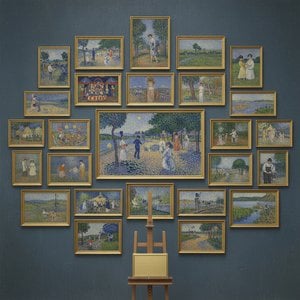
Prozkoumejte 25 ikonických děl Georges Seurata – průkopníka impresionismu a bodové techniky. Objevte příběhy za slavnými obrazy, barevnou teorii a inspirujte se pro váš interiér s reprodukcemi nejvyšší kvality na WahooArt.com.

Delve into the profound legacy of Saint George through art history. Explore iconic masterpieces by Raphael and Dürer, decoding the iconography of the dragon legend. Discover scholarly insights and bring these timeless tales to life with our museum-quality, hand-painted oil reproductions.
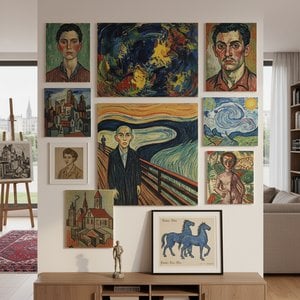
Prozkoumejte 10 ikonických děl expresionismu od Muncha, van Gogha a dalších. Objevte příběhy umělců, techniky a emoce v obrazech. Reprodukce obrazů nejvyšší kvality na WahooArt.com – inspirace pro váš interiér! Prohlédněte si celou kolekci online.

Discover the raw emotion of Symbolic Expressionism. Our expert guide explores how masters like Munch use color and form to convey inner feelings, offering inspiration for collectors looking to bring powerful, soulful art into their modern homes.

Prozkoumejte 25 ikonických děl Georges Braque, průkopníka kubismu. Objevte příběhy za obrazy, techniky a inspiraci tohoto francouzského mistra. Reprodukce obrazů v nejvyšší kvalitě na WahooArt.com.
 Náhled v interiéru
 Sdílet
 Sdílet
 Podrobnosti o díle
 Průvodce

 Stáhnout
 Podobné položky
 Rentgenové snímky
 Slideshow
 Otázky a odpovědi
 Statistiky

 Zobrazit více









 Skleněná varianta je dostupná pouze u rozměrů menších než 110 cm


