Biografie umělce
Georges Seurat: Světlo, Barva a Matematika Moderního Umění
Georges Pierre Seurat, narozený v Paříži 2. prosince 1859, se stal klíčovou postavou přechodu od impresionismu k modernímu umění. Jeho krátká, ale nesmírně intenzivní kariéra zvrátila malbu prostřednictvím vývoje pointilismu – techniky založené na vědeckých principech a neochvějné snaze o optickou pravdu. Seuratův příběh je příběhem pečlivého pozorování, intelektuální přísnosti a hluboké citlivosti k nuancím světla a barvy – vlastností, které ho odlišovaly od jeho současníků a dodnes okouzluje diváky po celém světě. Jeho raný život, i když se zdál konvenční, položil základy pro jeho budoucí umělecké objevy. Rodina se krátce po narození přestěhovala na Boulevard de Magenta a jeho otec, Antoine Chrysostome Seurat, bývalý právní úředník a později spekulant s nemovitostmi, mu poskytl pohodlné dětství, které umožnilo mladému Georgovi přístup ke vzdělání v umění. Začal formální výcvik v École Municipale de Sculpture et Dessin pod sochařem Justinem Lequienem a následně se přihlásil na prestižní École des Beaux-Arts v roce 1878, kde studoval u Henriho Lehmanna. Tato formující léta do něj vštěpila pevné základy tradičních technik, ale i tehdy začínala nabývat tvaru jedinečná umělecká osobnost – směs jemné citlivosti a rostoucí fascinace systematickou analýzou.
Od Akademismu k Chromoluminarismu: Vědecké Kořeny Umění
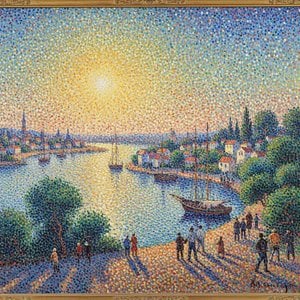
Seuratův umělecký vývoj nebyl náhlým skokem do inovace, ale spíše postupnou evolucí poháněnou intelektuální zvědavostí a přísným experimentováním. Zpočátku jeho díla odrážela akademické standardy doby, projevovala zdatnost v kresbě a respekt k ustáleným kompozičním principům. Brzy však začal tyto konvence zpochybňovat a hledat přístup k malbě více vědecký. Ponořil se do rozvíjejícího se oboru teorie barev, studoval spisy vědců jako Michel Eugène Chevreul a Ogden Rood, kteří zkoumali optické efekty kontrastních barev. Tato studia se stala základem jeho revoluční techniky, chromoluminarismu – vědy o barvě – a její praktického uplatnění, pointilismu. Základní myšlenka byla překvapivě jednoduchá: nanášet malé, odlišné tečky čisté barvy na plátno a spoléhat se na oko diváka, aby je opticky smíchalo a vytvořilo živý, zářivý efekt. Nešlo jen o dosažení jasnějších barev; šlo o pochopení toho, jak lidské zrakové systémy vnímají světlo a barvu a využít tyto znalosti k vytvoření dynamičtějšího a poutavějšího malířského zážitku. Pečlivě se připravoval na své rozsáhlé kompozice s pomocí nákresů Conté crayonem na hrubém papíře, pečlivě mapujíc umístění každé tečky, čímž projevoval téměř matematickou přesnost ve svém uměleckém procesu.
Milníky Inovace: Hlavní Díla a Umělecká Vize
Vyvrcholením Seuratových výzkumů a experimentů je možná nejlépe ztělesněno v A Sunday Afternoon on the Island of La Grande Jatte (1884-1886), monumentálním díle, které znamenalo začátek neoimpresionismu. Tato ikonická malba zobrazující Pařížany užívající si pohodové odpoledne u Seiny plně demonstruje jeho pointilistickou techniku. Postavy, zobrazené jako pečlivě umístěné tečky barev, se zdají zářit a vibrovat světlem, čímž vytvářejí atmosféru klidné pohody. Alfalfa, Saint-Denis (1886-1887) demonstruje jeho aplikaci teorie barev na venkovskou krajinu, zatímco dřívější díla jako Landscape at Saint-Ouen (1882-1883) odhalují jeho vyvíjející se styl a rostoucí zájem o zachycení efektů světla a atmosféry. I zobrazení moderního pařížského života, jako je The Eiffel Tower (1889), bylo transformováno jeho jedinečnou technikou, která ukazuje harmonickou kombinaci průmyslové modernity a umělecké inovace. Bathers at Asnières (1884), další významné dílo, zkoumala témata volného času a moderního života s jeho charakteristickým stylem, čímž předznamenala rafinovanější přístup viditelný v *La Grande Jatte*. Tyto obrazy nebyly jen reprezentacemi scén; byly to pečlivě konstruované vizuální experimenty navržené k prozkoumání možností barvy a vnímání.
Trvalé Dědictví: Vliv a Historický Význam
Navzdory tragicky krátkému životu – Seurat zemřel ve věku 31 let v roce 1891 – byl jeho dopad na umělecký svět hluboký a dalekosáhlý. Jeho dílo zpochybnilo tradiční umělecké konvence a otevřelo cestu mnoha následným směrům. Důraz na subjektivní vyjádření a průzkum nových technik rezonoval s umělci, kteří se snažili osvobodit se od akademických omezení. Seuratův vliv lze vidět ve dílech fauvistů, kteří přijali odvážné barvy a expresivní štětec; kubistů, kteří dekonstruovali formy do geometrických tvarů; a abstraktních expresionistů, kteří upřednostňovali emocionální intenzitu a spontánní gesto. Jeho vědecký přístup k malbě, i když zpočátku kontroverzní, rozšířil definici umělecké možnosti. Prokázal, že umění může být jak intelektuálně přísné, tak emotivně sugestivní – syntéza, která dodnes inspiruje umělce. Seuratovo dědictví přesahuje jeho technické inovace; zanechal po sobě dílo, které zachycuje podstatu moderního života s bezkonkurenční přesností a krásou, čímž si upevnil své místo jako skutečný průkopník moderního umění. Jeho obrazy zůstávají svědectvím síly pozorování, experimentování a trvalé lidské touhy pochopit svět kolem nás skrze optiku uměleckého vyjádření.



 Náhled
 Koupit ručně malovaný obraz
 Sdílet
 Sdílet
 Podrobnosti o díle

 Stáhnout
 Podobné položky
 Rentgenové snímky
 Slideshow
 Statistiky


 Zobrazit více






































 Skleněná varianta je dostupná pouze u rozměrů menších než 110 cm