


 Acrylic On CanvasWallArtRococo Portraiture
 19th Century
 125.0 x 100.0 cm
 Camden And Islington Nhs Foundation Trust
Ručně malovaná olejná barva na plátně ve vašem zvoleném rozměru i s rámem, vyrobená našimi umělci na zakázku. ( Koupit tisk Koupit obrázek)





























Vyberte si z našich přednastavených velikostí, které odpovídají původním proporcím díla.

Můžete zadat vlastní rozměry pro konkrétní rám nebo prostor. Pokud se vámi vybraná velikost neshoduje s proporcemi původního obrazu, dílo buď ořízneme, nebo jej doplníme ručně malovanými prvky. Před zahájením výroby vám bude zaslán digitální náhled ke schválení.
Upozorňujeme, že náhled na obrazovce neodpovídá skutečnému ořezu ani rozšíření. Pouze digitální náhled přesně zobrazí finální kompozici.
Ačkoliv je možné zvolit vlastní velikost, pro zachování původních proporcí doporučujeme vybrat rozměr z předdefinovaného seznamu.
Celosvětová doprava () za 3–4 týdny namísto standardních 5 týdnů. (7 září). Bez kompromisů v kvalitě.


William Prowting
Rozměry reprodukce
George Romney’s “William Prowting” is more than just a portrait; it's a meticulously crafted window into the social and artistic landscape of early 19th-century Britain. Painted circa 1795, this remarkable work captures not merely the likeness of a gentleman but also an entire era – the burgeoning confidence and formal elegance of the Victorian age taking shape. Romney’s skill lies in his ability to imbue his subjects with a palpable sense of character, transforming a simple depiction into a compelling narrative of status, intellect, and quiet authority.
The painting immediately draws the eye to Prowting himself, seated with an air of composed self-assurance. His attire – a dark suit, meticulously tailored waistcoat, and a crisp white cravat – speaks volumes about his social standing. The subtle details—the carefully arranged wig, the neatly trimmed mustache, and the restrained yet dignified posture—are hallmarks of Romney’s approach to portraiture. He wasn't simply aiming for accuracy; he was striving to reveal the inner life of his subject through visual cues.
Romney’s artistic style falls squarely within the broader category of Neoclassicism, yet it possesses a distinctly Romantic sensibility. He masterfully employs light and shadow – *chiaroscuro* – to sculpt Prowting's form, creating a sense of depth and volume that is both realistic and subtly dramatic. The rich, dark tones of his clothing contrast beautifully with the softer, warmer hues of his skin, highlighting his features and drawing attention to his gaze.
Technically, Romney was a master of observation and detail. He meticulously rendered every texture – from the velvet of Prowting’s coat to the sheen of his shoes—demonstrating an extraordinary level of technical skill. His brushwork is remarkably smooth and controlled, contributing to the painting's overall sense of refinement and composure. The composition itself is carefully balanced, with Prowting occupying a central position within a relatively uncluttered space, further emphasizing his importance.
“William Prowting” offers a fascinating glimpse into the social customs and values of the late 18th century. The portrait reflects the growing emphasis on education, refinement, and social decorum that characterized this period. The subject’s attire and demeanor suggest a man of considerable intellect and standing—likely a lawyer, merchant, or member of the landed gentry.
Furthermore, Romney's choice of pose – seated with his hands crossed in a gesture of thoughtful contemplation – speaks to the Victorian ideal of self-control and restraint. It’s a posture that conveys both confidence and reserve, reflecting the complex social dynamics of the era.
Beyond its technical brilliance and historical context, “William Prowting” resonates with viewers on an emotional level. The painting evokes a sense of quiet dignity and understated elegance—qualities that were highly valued in Victorian society. The subject’s direct gaze invites the viewer to engage with him, creating a subtle but powerful connection.
While seemingly straightforward, the portrait is imbued with a certain melancholy – a hint of introspection beneath the surface of outward composure. This ambiguity adds depth and complexity to the work, inviting viewers to contemplate the inner life of the subject and their own place within the broader human experience. It’s a testament to Romney's ability to capture not just a likeness but also the essence of his sitter.
Reproductions of “William Prowting” offer an accessible way to appreciate Romney’s artistry and immerse oneself in the atmosphere of Victorian England. Whether displayed in a formal study or a more casual living space, this iconic portrait continues to captivate viewers with its timeless beauty and profound insights into human nature.


1734 - 1802 , Spojilováno
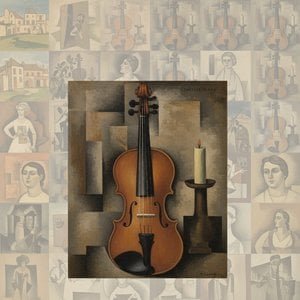
Prozkoumejte 25 ikonických děl Georges Braque, průkopníka kubismu. Objevte příběhy za obrazy, techniky a inspiraci tohoto francouzského mistra. Reprodukce obrazů v nejvyšší kvalitě na WahooArt.com.
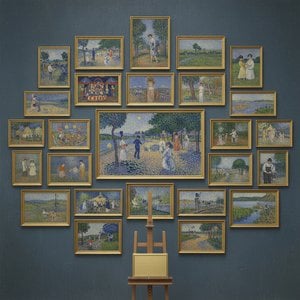
Prozkoumejte 25 ikonických děl Georges Seurata – průkopníka impresionismu a bodové techniky. Objevte příběhy za slavnými obrazy, barevnou teorii a inspirujte se pro váš interiér s reprodukcemi nejvyšší kvality na WahooArt.com.

Explore the life & art of George Romney, leading portraitist of Georgian England. Discover his style, famous patrons like Emma Hamilton, and legacy in British society. Expert insights for collectors.

Prozkoumejte 10 ikonických děl rokokového umění – Fragonard, Boucher a další. Objevte příběhy mistrů, techniky a pastelové barvy tohoto elegantního stylu. Reprodukce obrazů nejvyšší kvality na WahooArt.cz!

Explore the luminous world of Sir George Clausen, a leading British Impressionist painter. Discover his captivating scenes of Edwardian life, rural England & poignant war art. Learn about his legacy and find high-quality reproductions at WahooArt.

 Náhled
 Sdílet
 Sdílet
 Podrobnosti o díle

 Stáhnout
 Podobné položky
 Rentgenové snímky
 Slideshow
 Zobrazit více







 Skleněná varianta je dostupná pouze u rozměrů menších než 110 cm


