**život zasloužený uměleckému zkoumání**
gabriël metsu, nizozemský malíř, prožil život poznamenaný neustálým uměleckým hledáním a inovací. Narodil se v roce 1629 a jeho dílo samo o sobě ztělesňovalo ducha holandského zlatého věku, éry proslulé svou neuvěřitelnou tvůrčí produktivitou. Tato biografie se noří do života a díla této záhadné postavy, jejíž přínos do světa umění i nadále fascinuje generace diváků.
**mladost a první vlivy**
metsu byl narozen v roce 1629 jako syn jacquesa metsu, tkáče tapisérií a malíře, který původem pocházel z hainault. Toto eklektické pozadí pravděpodobně ovlivnilo gabriela v jeho raném zájmu o rozmanité umělecké techniky. Rodinný přesun do leidenu, kde metsu vyrůstal, ho vystavil široké škále kulturních vlivů tehdejší doby.
**umělecká dráha**
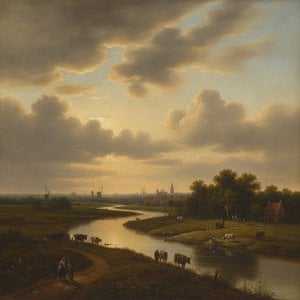
metsuova kariéra byla charakteristická tím, že se neupínal k žádnému jedinému stylu ani technice, což mu vyneslo přezdívku „vysoce eklektický umělec“. Jeho tvorba zahrnovala historické malby, stillity, portréty i žánrové scény. Zaujímavým faktem je, že pouze 14 z jeho 133 děl je opatřeno přesným datováním, což v jeho tvůrčím procesu zanechává mnoho neobjevených tajemství.
- vliv rembrandta van rijna na metsuovo rané dílo je zřejmý, zejména v jeho mistrovském zachycení světla a barvy.
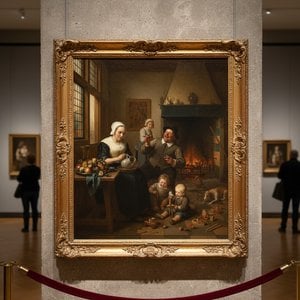
- metsuův přesun do amsterdamu v roce 1655 znamenal zásadní zvrat v jeho stylu, kdy se začal více zaměřovat na domácí interiéry a žánrové scény.
- jeho vzdělávání pod vedením michiela van musschera a joosta van geela odráží jeho hluboké pouto k tehdejší umělecké komunitě.
**významná díla a odkaz**
metsuovy obrazy často zachycovaly mladé ženy, tržní scény či starší lidi, přičemž čerpaly z tehdy populárních symbolických emblemů. Výrazným příkladem je
prodavačka drůbeže, která dokonale demonstruje jeho schopnost využívat symbolismus.
klíčová díla: **muzea a sbírky**
metsuova díla lze dnes nalézt v nejrůznějších muzeích, včetně slavného rijksmusea v amsterdamu. Pro více informací o jeho umění a k prozkoumání dalších malířů holandského zlatého věku navštivte /cs/art/show/art-d3c627-cs/ pro komplexní přehled.
závěr: život a umění gabriela metsu jsou svědectvím o inovativním duchu holandského zlatého věku. Jeho eklektický styl, ačkoliv je někdy záhadný, zanechal nezmazatelnou stopu v dějinách umění. Jak budeme dál odkrývat tajemství jeho života a tvorby, neustále si připomínáme hluboký dopad, který měl na vývoj západního malířství.
- pro hlubší pochopení holandského zlatého věku se podívejte na [https://en.wikipedia.org/wiki/dutch_golden_age_painting](https://en.wikipedia.org/wiki/dutch_golden_age_painting).
- prozkoumejte další metsuova díla i tvorbu jeho současníků na [https://WahooArt.com/@/gabriel-metsu](https://WahooArt.com/@/gabriel-metsu).
**reference:**



 Zobrazit v interiéru
 Přepnout na tiskové verze
 Odeslat
 Sdílet
 Podrobnosti
 Průvodce

 Stáhnout obrázek
 Podobné kousky
 Rentgenové snímky
 Slideshow
 Statistiky

 Přečíst si více






































 Skleněná varianta je dostupná pouze u rozměrů menších než 110 cm