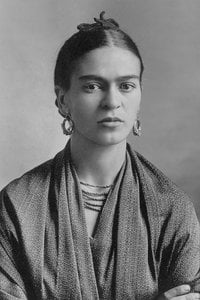
Biografie umělce
Život utkaný z bolesti a vášně
Magdalena Carmen Frida Kahlo y Calderón, známá světu jednoduše jako Frida Kahlo, byla víc než jen umělkyně; byla to síla přírody, vzdorovitelný duch, jejíž život se stal neodmyslitelně spjatým s jejím uměním. Narodila se 6. července 1907 v Coyoacánu, Mexico City, a její existence byla poznamenána fyzickým utrpením a emocionálními turbulencemi, zkušenostmi, které nakonec poháněly intenzivně osobní a symbolickou obraznost, pro kterou je oslavována. Její otec, Guillermo Kahlo, německo-mexický fotograf, podporoval její intelektní zvídavost a umělecké sklony od útlého věku. Fridino dětství však bylo zastíněno nemocemi; v šesti letech jí byla diagnostikována obrna, která ji ponechala s trvalou kulháním a ovlivnila její fyzický vývoj. Toto rané setkání se zranitelností a omezením se stalo opakujícím se tématem v jejích dílech, formujícím její pohled na tělo, bolest a odolnost. I před zdrcující nehodou, která definovala velkou část její umělecké dráhy, Frida měla bystré povědomí o své vlastní fyzikalitě a její vrozené křehkosti.
Rozbité tělo, rozkvétající umění
V roce 1925, v pouhých osmnácti letech, se Fridiny životy navždy změnily. Hrůzná nehoda s autobusem ji zanechala s katastrofickými zraněními – zlomeninami páteře, pánve a nohy, mezi ostatními. Uzavřená v dlouhé době rekonvalescence, často ležela na lůžku a byla spoutána sádrovými dlahami, obrátila se dovnitř, nacházela útočiště a vyjádření skrze malbu. Její matka jí poskytla plátno upravené pro použití vleže, proměnila tak omezení její fyzické neschopnosti v prostor uměleckého zkoumání. Byla to právě během této doby, kdy Frida začala intenzivně zkoumat autoportréty. Neschopna se vydat do světa, obrátila svůj pohled dovnitř a pečlivě dokumentovala svou vlastní podobu jako prostředek k pochopení a konfrontaci s bolestí, jak fyzickou, tak emocionální. Tyto rané práce nebyly pouhými reprezentacemi její podoby; byly to visceralní průzkumy identity, zranitelnosti a trvalé síly lidského ducha. Nehoda nebyla jen tragédií; byla to katalyzátor, který odemkl její umělecký potenciál a donutil ji konfrontovat svou vlastní smrtelnost a nalézt smysl v utrpení.
Bouřlivá unie a umělecké rozkvět
Fridiny životy nabraly další zásadní obrat v roce 1929, kdy se provdala za proslulého mexického muralistu Diega Riveru. Jejich vztah byl vášnivý, ale bouřlivý, poznamenaný intenzivní láskou, nevěrou, uměleckou rivalitou a obdobími oddělení a smíření. Navzdory emocionálnímu neklidu se Diego ukázal jako významný vliv na Fridino umělecké rozvoj. Podporoval její jedinečnou vizi a nabízel konstruktivní kritiku, přičemž si uvědomoval syrovou sílu a originalitu její práce. Pod jeho vedením a skrze její vlastní neúnavné experimentování začala Frida formovat svůj styl, spojovala prvky mexického lidového umění, realismu a surrealismu do výrazného vizuálního jazyka. Její obrazy se stávaly stále více symbolickými, zkoumající témata identity, lidského těla, bolesti, smrti a složitostí ženské zkušenosti. Nebála se zobrazit své vlastní utrpení; naopak ho přijala jako centrální téma ve svých dílech, proměnila osobní trauma v univerzální prohlášení o lidském stavu.
Symboly utrpení, odolnosti a identity
Frida Kahlo je možná nejznámější pro své autoportréty, které se vyznačují neústupnou upřímností a symbolickou hloubkou. Díla jako Dvě Fridy (1939), mocné zobrazení její dvojí identity po rozvodu s Riverou, ukazují její schopnost externalizovat vnitřní konflikt skrze působivé vizuální metafory. Autoportrét s šípovým náhrdelníkem a kolibříkem (1940) je plný symboliky – trny představující bolest, kolibřík symbolizuje naději a odolnost a černý kocour předzvěst neštěstí. Rozbitý sloupec (1944), srdceryvné zobrazení jejího fyzického utrpení, zobrazuje Fridino tělo rozdělené, aby odhalilo se drolícím se ionickým sloupem místo páteře, drženým pohromadě pásky a propichovaným hřebíky. I Henry Ford Hospital (1932), syrové a hluboce osobní zobrazení jejího potratu, demonstruje její ochotu konfrontovat tabu témata s neústupnou upřímností. Tyto obrazy nejsou jen reprezentacemi bolesti; jsou to činy vzdoru, tvrzení sebe sama tváří v tvář nepřízni osudu.
Trvalé dědictví
Vliv Fridy Kahlo sahá daleko za hranice umění. Byla kulturní ikonou, která zpochybňovala tradiční genderové role a společenské očekávání skrze svůj život a dílo. Její přijetí mexické kultury a identity pomohla zvýšit její profil na mezinárodní scéně a její neústupné zobrazení bolesti rezonovalo s publikem po celém světě, čímž se stala symbolem odolnosti a síly. Stala se důležitou postavou pro Chicanos ve Spojených státech, reprezentující jejich kulturní dědictví a boje. Přestože odmítala být kategorizována jako surrealistka, její dílo sdílí afinity s průzkumem podvědomí a snivého obrazu tohoto hnutí. Dnes je Frida Kahlo oslavována jako jedna z nejdůležitějších umělkyň 20. století, jejíž odkaz i nadále inspiruje generace k přijímání své identity, konfrontaci s nepřízní osudu a autentickému vyjadřování sebe sama. Její dílo zůstává svědectvím trvalé síly lidského ducha nalézt krásu a smysl i v těch nejtemnějších dobách.



 Zobrazit v interiéru
 Objednat ručně malovanou reprodukci
 Odeslat
 Sdílet
 Podrobnosti
 Průvodce

 Stáhnout obrázek
 Podobné kousky
 Rentgenové snímky
 Slideshow
 Statistiky

 Přečíst si více






































 Skleněná varianta je dostupná pouze u rozměrů menších než 110 cm