

Giclée nebo plátěný tisk muzeální kvality s rychlou výrobou a širokou nabídkou povrchových úprav. ( Koupit ručně malovaný obraz Přepnout na digitální obraz)





























Vyberte si z našich přednastavených velikostí, které odpovídají původním proporcím díla.

Zadejte šířku a výšku, které potřebujete pro váš rám nebo stěnu. Tisk lze pouze oříznout, nikdy však nelze zvětšit obraz nad jeho původní rozměr, proto při výběru jiného formátu dochází ke ztrátě části obrazu. Před samotným tiskem vám zašleme digitální náhled k schválení. Obraz zobrazený na této stránce nenabízí skutečný výřez — ten uvidíte pouze v náhledu.
Celosvětové doručení () do 2 týdnů namísto standardních 4/5 týdnů. (21 listopad)
Lost
Rozměry reprodukce
Frederick McCubbin's "Lost," painted in 1886, isn’t merely a depiction of the Australian outback; it’s a profound meditation on vulnerability, isolation, and the enduring pull of the wilderness. The painting immediately arrests the viewer with its muted palette – ochre yellows, dusty browns, and slate greys dominate, creating an atmosphere thick with both heat and impending storm. At the heart of the composition stands a young girl, her posture suggesting a hesitant step forward, a tentative exploration into a landscape that simultaneously offers beauty and threatens to swallow her whole. She’s not actively lost in the traditional sense; rather, she embodies a state of being adrift, a poignant symbol of innocence confronting the vastness and indifference of nature.
McCubbin's style is firmly rooted in the Heidelberg School movement, yet “Lost” transcends simple landscape painting. He employs a loose, expressive brushstroke – a hallmark of Impressionism – to capture not just the visual appearance of the scene but also its emotional resonance. The trees, rendered with a subtle blend of greens and browns, seem to lean inwards, creating a sense of enclosure and unease. The distant horizon is deliberately blurred, emphasizing the girl’s isolation and the overwhelming scale of the Australian interior. Notice how McCubbin masterfully uses light; it's diffused and melancholic, casting long shadows that heighten the painting’s somber mood.
The genesis of “Lost” is inextricably linked to a real-life tragedy: the disappearance of Clara Crosbie, a twelve-year-old girl, in the Yarra Valley in 1885. Local newspapers reported on her ordeal extensively, and McCubbin was deeply affected by the story. While the precise inspiration remains debated – some believe he directly painted from memory of the event, others suggest it sparked a broader contemplation of childhood vulnerability within the harsh Australian landscape – the painting undeniably carries the weight of this local legend. The girl’s attire—a simple dress and shawl—and her posture evoke a sense of quiet desperation, mirroring the accounts of Clara's ordeal.
Beyond the specific story, “Lost” taps into broader Australian folklore surrounding the bush – tales of lost children, dangerous wildlife, and the unforgiving nature of the land. It’s a narrative deeply embedded in the national psyche, reflecting anxieties about settlement, survival, and the relationship between humanity and the natural world. The painting speaks to a fundamental tension: the allure of the outback's beauty juxtaposed with its inherent dangers.
The symbolism within “Lost” is layered and subtly powerful. The girl herself represents innocence, vulnerability, and perhaps even a lost connection to childhood. Her solitary figure against the vast landscape underscores the insignificance of human existence in the face of nature’s immensity. The trees, traditionally symbols of strength and resilience, here seem almost menacing, guarding secrets and offering no comfort. Even the distant, hazy horizon suggests an uncertain future, a sense of being perpetually adrift.
McCubbin's masterful use of color and composition contributes significantly to the painting’s emotional impact. The muted tones evoke feelings of melancholy, loneliness, and quiet contemplation. The lack of vibrant colors reinforces the sense of isolation and vulnerability. “Lost” isn’t a visually dramatic work; its power lies in its understated portrayal of human emotion within a stark and unforgiving landscape. It invites viewers to contemplate their own relationship with nature, their place in the world, and the enduring mysteries of the Australian bush.
Reproductions of “Lost” capture the essence of McCubbin’s original vision while retaining a remarkable level of detail. When selecting a high-quality reproduction, consider the medium—canvas prints offer the most authentic representation of the painting's texture and color palette. The scale is also important; larger reproductions allow for a more immersive experience, drawing viewers into the painting’s evocative atmosphere. “Lost” would be an exceptional addition to any interior space, serving as a poignant reminder of Australia’s rich artistic heritage and the enduring beauty—and inherent challenges—of its landscape.
Barvy díla „Lost“ tvoří Earthy paletu. Tato klasifikace popisuje dominantní barevné skupiny.
Barvy díla „Lost“ od Frederick McCubbin mají Balanced Soft saturaci. Saturace určuje, jak jsou barvy živé nebo tlumené.
Originál díla „Lost“ od Frederick McCubbin je uložen v instituci Národní galerie Victoria, Melbourne, Austrálie. Reprodukce však umožňuje toto dílo vystavit i ve vašem domově.


1855 - 1917 , Austrálie

Master the art of curation with our expert guide to collecting high-end stylistic reproductions. Discover how hand-painted oil masterpieces and bespoke commissions bring historical prestige and unparalleled texture to luxury interiors and professional design projects.

Master the secrets of chiaroscuro, sfumato, and symbolism through expert analysis. Explore the profound power of light and shadow today.
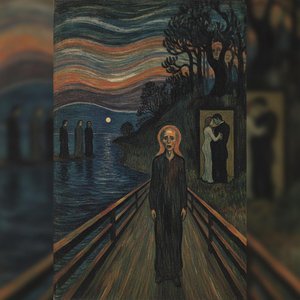
Journey through the raw emotion of Expressionism with our curated guide to Edvard Munch's top 25 masterpieces. Explore the stories behind his most iconic works and find museum-quality art reproductions for your collection. Discover all masterpieces on WahooArt.com.

Explore the profound history of forest green in art history. From the organic depth of Sap Green to Impressionist light, discover how masters captured nature's vitality in museum-quality oil reproductions and fine art masterpieces.

Explore the profound emotional depth of German Romanticism and Caspar David Friedrich. Discover the sublime power of the soul today.
 Náhled v interiéru
 Sdílet
 Sdílet
 Podrobnosti o díle
 Průvodce

 Stáhnout
 Podobné položky
 Rentgenové snímky
 Slideshow
 Otázky a odpovědi
 Statistiky


 Zobrazit více









 Skleněná varianta je dostupná pouze u rozměrů menších než 110 cm


