Získejte soubor připravený k tisku, který svou kvalitou výrazně převyšuje webový náhled. Každý prodávaný digitální obraz pochází z vysokorozlišeného originálu v naší databázi – obvykle o šířce 5 000 až 15 000 pixelů – díky čemuž můžete tisknout ve velkém formátu, provádět těsný střih nebo si s jistotou užít i ty nejjemnější detaily.
Žádný soubor neopustí naše studio bez úprav. Digitální expert kontroluje barvy v porovnání s původním malířským dílem a v případě potřeby je upravuje, poté pomocí profesionálních nástrojů pro retuš zvyšuje ostrost a detailnost — přičemž vždy zůstává věrný tahům štětcem a stylu umělce. Výsledkem je obraz, který vypadá jako malba, nikoliv jako naskenovaný snímek s filtrem.
Schvalování před dokončením: náš expert vám do 72 hodin zašle obraz e-mailem k revizi. Nejsste spokojeni? Můžete požádat o úpravy či opravy, nebo si můžete vyžádat vrácení peněz, pokud kvalita neodpovídá vašim očekáváním.
Tuto kvalitu využívají vydavatelství, designová studia, galerie i tiskárny.
Stáhněte si soubor ve vysokém rozlišení pro osobní prohlížení, tisk nebo kreativní projekty. ( Přepnout na tisk Koupit ručně malovaný obraz)
Když si vyberete WahooArt.com, nezískáváte pouze obrázek – získáváte digitální umělecké dílo s profesionálně vylepšenými detaily, zpracované s precizností a podpořené zárukou za spokojenost. Zde je vše, co vaše objednávka automaticky obsahuje:
Váš digitální obraz ve vysokém rozlišení vám bude zaslán e-mailem do 72 hodin od objednávky – připraven k okamžitému použití.
Vaše umělecké dílo je profesionálně optimalizováno pomocí pokročilých nástrojů umělé inteligence a manuální úpravy, což zajišťuje maximální úroveň detailu, ostrosti a přesnosti barev.
Soubor jste omylem smazali nebo ztratili? Žádný problém – kdykoliv vám ho znovu zašleme zcela zdarma.
Užijte si své umělecké dílo okamžitě bez celních poplatků, daní nebo nákladů na dopravu – digitální stažení je vždy bez daňových povinností.
Díky profesionálním nástrojům a správě barev zajišťujeme, aby váš digitální obraz odrážel původní barvy co nejvěrněji.
Pokud nebudete s digitálním obrázkem spokojeni, provedeme jeho revizi nebo vám vrátíme 100% platby do 100 dnů – bez jakýchkoliv dotazů.
Nespokojeni? Získejte plnou náhradu peněz do 100 dnů od obdržení digitálního souboru – bez zbytečných dotazů.
Koupě 3 obrazů ušetří 10% – Koupě 5 obrazů ušetří 15% – Koupě 10+ obrazů ušetří 20%. Ideální pro kreativní projekty, galerie a agentury.
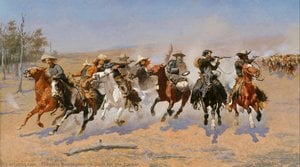
Frederic Remington’s “An Indian Trapper,” painted in 1889, isn't merely a portrait; it’s a carefully constructed narrative of the fading frontier and the complex relationship between European settlers and Native Americans. Born in Canton, New York, in 1861 – a place far removed from the landscapes he would immortalize – Remington initially sought a military career but found his true calling in capturing the spirit of the American West through art. This particular painting, created after his travels to Alberta, Canada, reflects a period of profound change and increasing tension as the vast territories were rapidly being claimed by white settlers.
The scene unfolds with remarkable detail against a backdrop of rugged, snow-dusted mountains – a quintessential vista of the Canadian Rockies. At the center stands a Native American man, identified often as a Cree or Blackfoot warrior, mounted on horseback and expertly maneuvering his mount through the challenging terrain. His attire—a traditional headdress, buckskin clothing, and a rifle slung across his back—immediately anchors him within this specific cultural context. Remington’s meticulous rendering of the horse, its powerful muscles straining with effort, underscores the vital role of animals in Native American life and their mastery of the wilderness.
Remington was a master of realism, meticulously documenting the details of his subjects – from the weathered texture of the man’s clothing to the intricate patterns of the headdress. However, “An Indian Trapper” transcends simple representation; it’s imbued with a romantic sensibility characteristic of Remington's work. The dramatic lighting—a strong contrast between light and shadow—heightens the sense of adventure and emphasizes the rugged beauty of the landscape. Notice how the artist uses loose brushstrokes to convey movement and energy, particularly in the horse’s stride and the man’s determined posture.
The painting's composition is carefully balanced, drawing the viewer’s eye across the scene. The figure dominates the foreground, while the distant mountains create a sense of scale and emphasize the vastness of the territory. Remington employed oil paints on canvas, utilizing layering techniques to achieve depth and texture. His use of color—earth tones punctuated by flashes of white snow—further enhances the painting’s realism and evokes the harsh beauty of the Western landscape.
“An Indian Trapper” is more than just a depiction of an individual; it's a visual statement about the era. The title itself suggests a figure caught between two worlds – a skilled hunter and tracker, yet also a participant in a rapidly changing society. The painting was initially conceived during Remington’s sketching expedition to Alberta, where he sought to document the lives of Native Americans before they were largely displaced by settlers. It's important to note that Remington’s portrayal, while detailed, has been subject to criticism for potentially perpetuating stereotypes about Native American culture.
However, considering the context of the late 19th century, when westward expansion was accelerating and Native American tribes were facing increasing pressure, “An Indian Trapper” offers a valuable glimpse into a vanishing way of life. The painting’s inclusion in *Harper's Monthly Magazine* in 1891 further cemented its place as a significant representation of the West during that period, sparking debate and discussion about the future of Native American communities.
Looking at “An Indian Trapper” today, one is struck by its powerful sense of adventure and resilience. The figure’s determined gaze and confident posture convey a spirit of independence and mastery over his environment. The painting evokes a feeling of both admiration for the Native American warrior and a poignant awareness of the impending loss of their traditional way of life. It remains a compelling testament to Frederic Remington's skill as an artist and his enduring fascination with the American West – a landscape forever shaped by conflict, exploration, and transformation.
Pro dílo „An Indian Trapper“ od Frederic Remington je k dispozici stránka Průvodce pro studenty: tiskem připravený informační list o uměleckém díle, navržený pro studenty a použití ve výuce.
Dílo „An Indian Trapper“ od Frederic Remington vzniklo v roce 1889.
Digitální verzi díla „An Indian Trapper“ od Frederic Remington si můžete stáhnout na stránce Stažení digitální verze jako stažení digitálního obrazu ve vysokém rozlišení.


1861 - 1909 , Spojené státy americké
 Náhled v interiéru
 Sdílet
 Sdílet
 Podrobnosti o díle
 Průvodce

 Stáhnout
 Podobné položky
 Rentgenové snímky
 Slideshow
 Otázky a odpovědi
 Statistiky


 Zobrazit více