Získejte soubor připravený k tisku, který svou kvalitou výrazně převyšuje webový náhled. Každý prodávaný digitální obraz pochází z vysokorozlišeného originálu v naší databázi – obvykle o šířce 5 000 až 15 000 pixelů – díky čemuž můžete tisknout ve velkém formátu, provádět těsný střih nebo si s jistotou užít i ty nejjemnější detaily.
Žádný soubor neopustí naše studio bez úprav. Digitální expert kontroluje barvy v porovnání s původním malířským dílem a v případě potřeby je upravuje, poté pomocí profesionálních nástrojů pro retuš zvyšuje ostrost a detailnost — přičemž vždy zůstává věrný tahům štětcem a stylu umělce. Výsledkem je obraz, který vypadá jako malba, nikoliv jako naskenovaný snímek s filtrem.
Schvalování před dokončením: náš expert vám do 72 hodin zašle obraz e-mailem k revizi. Nejsste spokojeni? Můžete požádat o úpravy či opravy, nebo si můžete vyžádat vrácení peněz, pokud kvalita neodpovídá vašim očekáváním.
Tuto kvalitu využívají vydavatelství, designová studia, galerie i tiskárny.
Stáhněte si soubor ve vysokém rozlišení pro osobní prohlížení, tisk nebo kreativní projekty. ( Přepnout na tisk Koupit ručně malovaný obraz)
Když si vyberete WahooArt.com, nezískáváte pouze obrázek – získáváte digitální umělecké dílo s profesionálně vylepšenými detaily, zpracované s precizností a podpořené zárukou za spokojenost. Zde je vše, co vaše objednávka automaticky obsahuje:
Váš digitální obraz ve vysokém rozlišení vám bude zaslán e-mailem do 72 hodin od objednávky – připraven k okamžitému použití.
Vaše umělecké dílo je profesionálně optimalizováno pomocí pokročilých nástrojů umělé inteligence a manuální úpravy, což zajišťuje maximální úroveň detailu, ostrosti a přesnosti barev.
Soubor jste omylem smazali nebo ztratili? Žádný problém – kdykoliv vám ho znovu zašleme zcela zdarma.
Užijte si své umělecké dílo okamžitě bez celních poplatků, daní nebo nákladů na dopravu – digitální stažení je vždy bez daňových povinností.
Díky profesionálním nástrojům a správě barev zajišťujeme, aby váš digitální obraz odrážel původní barvy co nejvěrněji.
Pokud nebudete s digitálním obrázkem spokojeni, provedeme jeho revizi nebo vám vrátíme 100% platby do 100 dnů – bez jakýchkoliv dotazů.
Nespokojeni? Získejte plnou náhradu peněz do 100 dnů od obdržení digitálního souboru – bez zbytečných dotazů.
Koupě 3 obrazů ušetří 10% – Koupě 5 obrazů ušetří 15% – Koupě 10+ obrazů ušetří 20%. Ideální pro kreativní projekty, galerie a agentury.
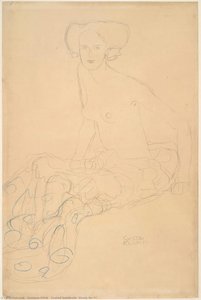
François Auguste René Rodin's "Nude," rendered in charcoal on paper, isn't merely a depiction of the human form; it’s a profound exploration of posture, emotion, and the delicate balance between strength and vulnerability. Dating from an unknown period within Rodin’s prolific career – likely spanning the late 19th century – this drawing offers a rare glimpse into the artist’s process, revealing a figure far removed from the grand, heroic sculptures that would later cement his fame. It's a work born not of monumental commission but of intimate observation and a deep engagement with the subtleties of human expression.
The subject herself is presented in a remarkably relaxed yet subtly tense pose. She’s seated, her body gently curved inward, suggesting both introspection and a quiet reserve. The lines of her spine flow organically, mirroring the gentle curve of her torso – a deliberate choice that emphasizes fluidity and suppleness. Rodin masterfully captures the weight of her form, hinting at underlying musculature without resorting to overt anatomical detail. This restraint is key to the drawing’s power; it invites the viewer to complete the image, filling in the gaps with their own interpretations and emotions.
Rodin’s technique here is characterized by a remarkable sensitivity to texture and tone. The charcoal isn’t applied with harsh, decisive strokes but rather layered and smudged, creating a rich, almost velvety surface. Notice the subtle gradations of grey – from deep shadows that pool around the limbs and torso to lighter washes that define the contours of her face and shoulders. This masterful manipulation of value is crucial to the drawing’s sense of depth and volume. The artist utilizes stumping, a technique involving smudging graphite with a tool, to subtly model the body by blending the contour lines, likely with his finger, while leaving the chemise starkly unrendered.
The choice of paper itself contributes significantly to the artwork’s aesthetic. Its textured surface – heavily emphasized in the photograph – provides a tactile counterpoint to the smooth curves of the figure. The slightly rough quality of the paper grounds the image, preventing it from feeling overly polished or idealized. It speaks to Rodin's preference for working with materials that allowed him to capture the essence of his subject rather than simply replicating its appearance.
To understand “Nude,” we must consider Rodin’s broader artistic trajectory. Initially trained as a decorative stonemason, he quickly moved beyond mere craftsmanship, developing a revolutionary approach to sculpture that prioritized emotional expression and psychological depth. Unlike the idealized forms of classical sculpture, Rodin sought to capture the raw, unfiltered reality of human experience – its joys, sorrows, and vulnerabilities. This drawing exemplifies this shift, moving away from grand narratives towards intimate studies of individual figures.
It’s believed that these preparatory drawings served multiple purposes for Rodin: they acted as records of his sculptures, assisting printmakers in creating accurate illustrations; they functioned as personal practice pieces, allowing him to refine his understanding of form and gesture; and, perhaps most importantly, they provided a space for him to explore the emotional complexities inherent in depicting the human body. The fact that this particular drawing depicts a feminine nude suggests an exploration of themes related to femininity, sensuality, and introspection – subjects frequently explored by Rodin throughout his career.
Beyond its technical merits, “Nude” resonates with profound symbolic meaning. The pose itself—a woman leaning inward, a gesture of both vulnerability and self-awareness—evokes feelings of quiet contemplation and perhaps even melancholy. The lack of overt narrative or symbolism allows the viewer to project their own emotions onto the figure, creating a deeply personal connection. It’s not simply a representation of a body; it's an invitation to consider the complexities of human experience – the beauty, the fragility, and the enduring search for meaning.
Rodin’s “Nude” stands as a testament to his artistic genius—a poignant study in form, emotion, and the enduring power of charcoal. It offers a rare glimpse into the creative process of one of art history's most influential sculptors, inviting us to contemplate the beauty and vulnerability inherent within the human condition.
Celková nálada díla „Nude“ od François Auguste René Rodin je Calm. Tato nálada vystihuje obecnou atmosféru tohoto díla.
Pokud si chcete pořídit tisk díla „Nude“ od François Auguste René Rodin, stačí si jej objednat přímo na jeho stránce Kvalitní umělecký tisk: umělecký tisk na bavlněném plátně nebo archivním plátnovém papíře.
Pro dílo „Nude“ od François Auguste René Rodin je k dispozici stránka Průvodce pro studenty: tiskem připravený informační list o uměleckém díle, navržený pro studenty a použití ve výuce.


1840 - 1917 , Francie
 Náhled v interiéru
 Sdílet
 Sdílet
 Podrobnosti o díle
 Průvodce

 Stáhnout
 Podobné položky
 Rentgenové snímky
 Slideshow
 Q&A
Q&A Statistiky

 Zobrazit více