Život ponořený do hlubin lidské existence
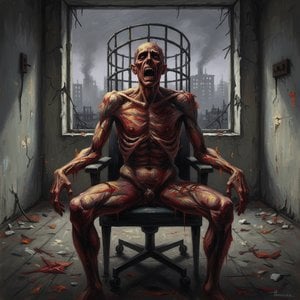
Francis Bacon, jméno neodmyslitelně spojené s nejhlubší emocionalitou umění 20. století, se narodil v Dublinu v Irsku roku 1909. Jeho skutečný tvůrčí duch však našel své vyjádření v bouřlivém prostředí poválečné Británie. Dětství nebylo snadné; časté stěhování kvůli zdravotnímu stavu matky v něm vzbudilo pocit odcizení, který hluboce ovlivnil jeho pohled na svět a nakonec pronikl do jeho pláten. Složitý vztah k přísnému otci a silné pouto s chůvou Jessií Lightfootovovou dále formovaly emocionální krajinu jeho dospívání. Zpočátku ho lákaly dostihy koní a život hazardu, Bacon se ztratil v různých zaměstnáních, než se nakonec na konci dvacátých let věnoval malbě – opožděný start, který možná zesílil naléhavost a intenzitu jeho pozdější tvorby. Nebyl formálně vzdělaný, místo toho si razil vlastní cestu, absorboval vlivy z různých zdrojů a rozvíjel jedinečně znepokojivý vizuální jazyk.
Zlomové okamžiky raných inspirací
Baconovo umělecké probuzení nebylo okamžité, ale spíše postupná akumulace dojmů. Díla Pabla Picassa, zejména zkreslené figury jeho raného kubistického období, se ukázala jako zásadní v osvobození ho od tradiční reprezentace. Inspiraci nacházel také v pronikavé fotografii Egona Schieleho, jejíž expresivní deformace lidské podoby rezonovaly s Baconovou rostoucí fascinací křehkostí a zranitelností existence. Klíčovým katalyzátorem se však stalo náhodné setkání s filmem Sergeje Ejzenštejna *Potomkinova křižník*. Filmova silná vizuální stránka, zejména detail obličeje v agonii, se stala trvalým motivem Baconovy tvorby, symbolizujícím prvotní teror a hloubky lidského utrpení. Hluboce obdivoval i staré mistry, zejména Diega Velázqueze, jehož *Portrét papeže Innocentia X.* opakovaně reinterpretoval během své kariéry a proměnil autoritativní portrét pápeže v mučednickou postavu. Tyto vlivy nebyly pouhými stylistickými apropriacemi; byly absorbovány a transformovány Baconovou jedinečnou citlivostí, což vedlo k umělecké vizi, která byla hluboce osobní i univerzálně rezonující.
Formování osobitého stylu: zkreslení a izolace
Baconův průlom přišel s *Tři studie k postavám u paty kříže* (1944), dílem, které šokovalo a uchvátilo publikum v poválečném Londýně. Tento triptych ustanovil jeho charakteristický styl – zkreslené, fragmentované figury izolované v klaustrofobických prostorech. Nebyla to zobrazení náboženského mučení, ale spíše hluboká zkoumání lidské úzkosti, zbavená jakéhokoli uklidňujícího vyprávění nebo duchovního útěchy. Jeho obrazy často obsahují rozmazané nebo rozpouštějící se tvary, které vyjadřují pocit psychické turbulence a fyzické zranitelnosti. Často používal geometrické struktury – klece, boxy – k uvěznění svých postav, zdůrazňoval jejich izolaci a bezmocnost. Baconova paleta byla obvykle tlumená a ponurá, odrážející temata, která zkoumal, i když protkána záblesky intenzivní barvy, které zvýšily emocionální dopad. Použití těchto klecí nebylo pouhým kompozičním zařízením; symbolizovalo inherentní omezení a překážky kladené na lidskou existenci. Snažil se zachytit nejen *jak* věci vypadají, ale *jak se cítí*, přenášel vnitřní stavy úzkosti, strachu a zoufalství na plátno s brutální upřímností.
Témata smrtelnosti, úzkosti a lidské existence
Během své plodné kariéry se Bacon opakovaně vracel k určitým motivům: kříž jako symbol utrpení; portréty, které pronikaly do psychické intenzity jeho subjektů, často přátel a milenců, jako byl George Dyer; a autoportréty, které sloužily jako introspektivní zkoumání identity a smrtelnosti. Jeho série *Studie po Velázquezově portrétu papeže Innocentia X.* (1953) je možná jedním z jeho nejikoničtějších úspěchů, proměňuje důstojný portrét Velázqueze v křičící přízrak, ztělesňující existenciální hrůzu. Portréty George Dyera, jeho bouřlivého milence, jsou zvláště dojemné, zachycují intenzitu jejich spojení i nadcházející stín tragédie. Baconova práce nebyla o zobrazování konkrétních jedinců; šlo o zkoumání univerzálních témat lidské zranitelnosti, izolace a nevyhnutelnosti smrti. Nevyhýbal se temným stránkám existence, ale čelil jim přímo, nutí diváky konfrontovat vlastní smrtelnost a úzkost.
Trvalý odkaz: výzva konvencím
Vliv Francise Bacona na umění 20. století je nepopiratelný. Zpochybnil tradiční představy o reprezentaci, odmítl idealizovanou krásu ve prospěch syrového a nelítostného zobrazení lidské existence. Jeho dílo hluboce ovlivnilo generace umělců a připravilo cestu pro nové formy vyjádření a výzvu konvenčním uměleckým hranicím.
- Poválečný expresionismus: Bacon je považován za klíčovou postavu tohoto hnutí, ovlivňující umělce svým odvážným stylem a psychickou hloubkou.
- Aukční rekordy & Muzejní výstavy: Jeho obrazy stále dosahují vysokých cen na aukcích a jsou vystavovány v významných muzeích po celém světě, což upevňuje jeho postavení v dějinách umění.
- Konfrontace pravdy: Baconův odkaz spočívá v jeho schopnosti konfrontovat nepohodlné pravdy o lidské existenci a přenést tyto zážitky do silných a nezapomenutelných obrazů.
Navzdory bouřlivému osobnímu životu poznamenanému hazardem, pitím a složitými vztahy zůstal oddaný svému umění až do své smrti v roce 1992. Zanechal po sobě dílo, které dodnes rezonuje s publikem a připomíná nám křehkost existence a trvalou sílu umění konfrontovat nejtemnější zákoutí lidské duše. Jeho obrazy nejsou pouhé vizuální reprezentace; jsou hluboké zážitky – svědectví o trvalé síle umění provokovat, rušit a nakonec osvětlovat složitost bytí.



 Zobrazit v interiéru
 Přepnout na tiskové verze
 Odeslat
 Sdílet
 Podrobnosti
 Průvodce

 Stáhnout obrázek
 Podobné kousky
 Rentgenové snímky
 Slideshow
 Statistiky

 Přečíst si více






































 Skleněná varianta je dostupná pouze u rozměrů menších než 110 cm