Fra Giovanni da Verona: A Polymath of Padua’s Renaissance
Fra Giovanni da Verona (c. 1457 – 1525) stands as a remarkable figure in the artistic landscape of late fifteenth and early sixteenth-century Italy, a testament to the breadth of talent nurtured within the Olivetan monastic orders. More than simply a painter or sculptor, he was a multifaceted artist—a monk, architect, miniature master, woodcarver, and even an architectural theorist – deeply rooted in the vibrant intellectual atmosphere of Padua, a city rapidly ascending as a center of Renaissance learning. His work, often characterized by intricate detail and a subtle elegance, reflects both the classical influences sweeping across Europe and the distinctly Venetian spirit that shaped his artistic vision.
Born in Verona, Giovanni’s early life remains somewhat shrouded in mystery. He entered the Olivetan order, known for its dedication to scholarship and craftsmanship, and quickly established himself as a skilled artist. His training likely began under fra Bastian Virgola (also known as Sebastiano Schiavone da Rovigno), a prominent figure who instilled in him a deep appreciation for both religious iconography and classical design principles. This foundation proved crucial, allowing Giovanni to seamlessly blend the spiritual with the secular, creating works that are simultaneously devotional and aesthetically refined.
A Master of Miniature and Woodwork
Giovanni’s fame rests primarily on his exquisite miniature paintings, a medium he mastered with astonishing precision. These tiny masterpieces, often executed in tempera on ivory or wood panels, depict scenes from the Bible, illuminated manuscripts, and devotional subjects. His meticulous attention to detail—the rendering of fabrics, the delicate expressions of figures, and the intricate patterns of architectural settings – is truly breathtaking when considering the scale of his work. He was particularly celebrated for his ability to capture a sense of depth and realism within such confined spaces.
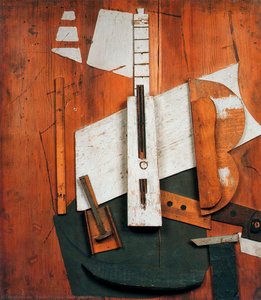
Beyond miniatures, Giovanni’s skill extended to wood carving and woodworking. He created elaborate altarpieces, sculpted religious figures, and crafted intricate wooden panels adorned with inlaid designs – known as *intarsia*. His “Intarsia polyhedra” (1520), now housed in the WahooArt collection, exemplifies this mastery. This complex geometric woodcut demonstrates not only his technical skill but also a keen understanding of perspective and mathematical principles, reflecting the humanist interest in proportion and order that characterized the Renaissance.
Architectural Contributions and Theoretical Writings
Giovanni’s artistic pursuits weren't confined to painting and sculpture; he was actively involved in architectural design. He contributed significantly to the decoration of churches and monasteries throughout the region, often working alongside other skilled artisans. His designs frequently incorporated classical elements – arches, columns, and pilasters – demonstrating his engagement with the rediscovered wisdom of antiquity.
Perhaps less known but equally significant is Giovanni’s contribution to architectural theory. He produced an annotated edition of Vitruvius' *De Architectura*, a seminal work on Roman architecture, which he meticulously illustrated and commented upon. This edition, completed in 1511, served as a valuable resource for architects and students alike, helping to disseminate classical knowledge throughout Italy. His understanding of structural engineering, honed through his practical architectural projects, informed his interpretations of Vitruvius’s principles.
The Verona Arena and Beyond
Giovanni's influence extends beyond the immediate confines of Padua. His work can be seen in several notable structures, including the Verona Arena, a magnificent Roman amphitheater that stands as an enduring symbol of the city. The Arena underwent significant restoration during the 16th century, and Giovanni’s contributions to its decoration are still visible today. His involvement with this monumental project highlights his standing within the architectural circles of the time.
Furthermore, his work is linked to the broader movement of Renaissance architecture in France, where he assisted Giuliano da Sangallo and Raphael on the construction of St. Peter’s Basilica in Rome. His expertise in statics proved invaluable during a critical phase of the building's development, demonstrating the far-reaching impact of his knowledge and skills.
Legacy and Historical Significance
Fra Giovanni da Verona represents a quintessential example of the Renaissance artist—a man of diverse talents who seamlessly integrated religious devotion with artistic innovation. His meticulous craftsmanship, profound understanding of classical principles, and intellectual curiosity cemented his place as one of Padua’s most important cultural figures. His legacy endures through his exquisite miniatures, intricate wood carvings, and insightful architectural writings – a testament to the enduring power of human creativity and the transformative spirit of the Renaissance.



 Náhled
 Přepnout na tisk
 Sdílet
 Sdílet
 Podrobnosti o díle

 Stáhnout
 Podobné položky
 Rentgenové snímky
 Slideshow
 Statistiky
 Zobrazit více