Ručně malovaná olejná barva na plátně ve vašem zvoleném rozměru i s rámem, vyrobená našimi umělci na zakázku. ( Koupit tisk
Koupit obrázek)
Vyberte si z našich přednastavených velikostí, které odpovídají původním proporcím díla.
Můžete zadat vlastní rozměry pro konkrétní rám nebo prostor. Pokud se vámi vybraná velikost neshoduje s proporcemi původního obrazu, dílo buď ořízneme, nebo jej doplníme ručně malovanými prvky. Před zahájením výroby vám bude zaslán digitální náhled ke schválení.
Upozorňujeme, že náhled na obrazovce neodpovídá skutečnému ořezu ani rozšíření. Pouze digitální náhled přesně zobrazí finální kompozici.
Ačkoliv je možné zvolit vlastní velikost, pro zachování původních proporcí doporučujeme vybrat rozměr z předdefinovaného seznamu.
Celosvětová doprava () za 3–4 týdny namísto standardních 5 týdnů. (7 září). Bez kompromisů v kvalitě.
untitled (5728)
Rozměry reprodukce
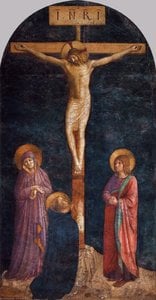
The painting before us, tentatively titled “untitled (5728)” by Fra Angelico, is a deeply moving depiction of the Nativity – a scene rendered with the serene grace and spiritual intensity that define this master of the Early Renaissance. While details regarding its precise origins remain elusive, the artwork’s power lies in its ability to transport the viewer to that pivotal moment of divine arrival, inviting contemplation on faith, hope, and the profound mystery of incarnation. The composition centers around the infant Jesus, cradled within a humble manger, his presence radiating a quiet luminosity amidst a gathering of figures who express reverence through gesture and posture. Kneeling worshippers and standing observers alike converge upon this sacred scene, their faces reflecting awe and devotion. A subtle inclusion – an animal, likely a horse, positioned to the left – adds a touch of earthly realism to the otherwise ethereal atmosphere.
Fra Angelico, born Giovanni da Fiesole around 1395 in Tuscany, was not merely a painter but a Dominican friar. This dual identity profoundly shaped his artistic vision. His work is characterized by a unique blend of devotional piety and burgeoning Renaissance techniques. Initially trained as an illuminator, meticulously decorating manuscripts within the monastery walls, Angelico honed skills in precise detail, vibrant color application, and delicate line work – qualities readily apparent in this Nativity scene. While influenced by contemporaries like Lorenzo Monaco, particularly in the elegance of form, and exposed to the groundbreaking perspective pioneered by Masaccio, Fra Angelico never abandoned his distinctly spiritual aesthetic. He didn’t seek merely to replicate reality; he aimed to reveal a glimpse of the divine through earthly forms.
The Nativity scene itself is rich in symbolic meaning. The manger, representing humility and simplicity, contrasts sharply with the profound significance of its occupant – the Son of God. The gathering figures symbolize the universality of Christ’s message, drawing together humanity from all walks of life to witness this miraculous birth. Fra Angelico's masterful use of light is particularly noteworthy. It isn’t a harsh or dramatic illumination, but rather a soft, ethereal glow that emanates from the infant Jesus, symbolizing his divine nature and illuminating the faces of those who worship him. This careful manipulation of light not only enhances the emotional impact of the scene but also reinforces its spiritual core. The presence of the animal, often interpreted as representing gentleness and the harmony between humanity and nature, further enriches the painting’s symbolic layers.
Though the specific date and original context of “untitled (5728)” remain unknown, its enduring appeal lies in its ability to evoke a sense of profound peace and spiritual contemplation. Fra Angelico's work consistently transcends mere artistic skill; it is an expression of unwavering faith and a testament to the power of art to connect us with something greater than ourselves. A reproduction of this painting would bring not only beauty but also a quiet, reverent atmosphere to any space – a reminder of hope, humility, and the enduring promise of divine grace. It’s a piece that invites introspection, offering a visual sanctuary in an often-turbulent world.
1395 - 1455 , Itálie