Raný život a duchovní formování
Giovanni da Fiesole, pozdější Fra Angelico, se narodil kolem roku 1395 v malebné toskánské krajině nedaleko Florencie. Jeho raná léta jsou zahalena tajemstvím, což je možná i dobře, neboť jeho dílo se stalo symbolem éterické krásy a hluboké víry. O rodině mladého Giovanniho toho mnoho nevíme, ale předpokládá se, že získal solidní vzdělání, které ho připravilo na život mimo skromné počátky v Rupesaně. Zásadním okamžikem bylo jeho vstoupení do dominikánského řádu ve Fiesole, kde přijal jméno Fra Angelico – „brat Angelický“ – označení, které odráželo nejen jeho řeholní sliby, ale i nebeskou povahu jeho umění. Zpočátku byl pověřen iluminací rukopisů, precizní práce vyžadující přesnost a zářivé barvy, což mu umožnilo zdokonalit dovednosti, které se později projevily v úchvatných freskách a panelových malbách. Toto rané školení v něm zrodilo hluboký respekt k detailu, mistrovství pigmentů a pochopení toho, jak vyprávět příběhy vizuálně. Důraz dominikánského řádu na teologické studium nepochybně formoval jeho uměleckou vizi, naplňoval jeho díla hlubokým smyslem víry a poselství.
Kvetoucí jedinečný styl
Fra Angelico se nevyvíjel v izolaci; absorboval proudy florentského malířství té doby. Elegantní linearita a dekorativní vzory Lorenza Monaca, předního malíře éry, jsou patrné v jeho raných pracích. Nicméně Fra Angelico nezacházel s pouhou imitací. Začal syntetizovat tyto vlivy se vzrůstajícím naturalismem, pravděpodobně inspirován průlomovými freskami Masaccia. Zatímco Masaccio zvrátil malířství dramatickým použitím perspektivy a realistickou reprezentací lidské formy, Fra Angelico zvolil jinou cestu. Přijal perspektivu ne pro ni samotnou, ale jako prostředek k vytvoření pohlcujícího duchovního zážitku. Jeho postavy, i když půvabné a často idealizované, vyzařují klidnou důstojnost a emocionální rezonanci, která přesahuje pouhou reprezentaci. Klíčové je, že jeho umění bylo neodmyslitelně spojeno s vírou; vnímal malování ne jako profesi, ale jako akt modlitby – způsob, jak kontemplovat božské a učinit ho viditelným pro ostatní. Toto hluboce zakořeněné přesvědčení naplňovalo každý tah štětcem úctou a upřímností.
Mistrovská díla víry a barvy
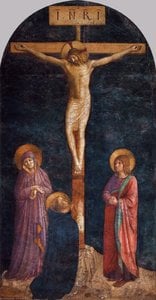
Fra Angelico zanechal po sobě umělecké dědictví, které je ukotveno v několika monumentálních dílech, která i přes staletí nadále inspirují obdiv. Fresky v klášteře San Marco ve Florencii jsou široce považovány za jeho mistrovské dílo. Tyto scény z života Krista vyzařují klidnou jednoduchost a emocionální hloubku, které se jen zřídka vyskytují v renesančním umění. Každý obraz – od Zvestování Panně Marii až po Ukřižování – je prostoupen pocitem tiché kontemplace, zvoucím diváky k osobnímu setkání se svatým příběhem. Kromě San Marca jeho *Perugia oltářní deska* ukazuje jeho vyvíjející se styl, zejména v jemném zobrazení Zvestování Panně Marii. Samotné téma Zvestování Panně Marii se objevuje v mnoha verzích v průběhu jeho tvorby, každá je vykreslena éterickou krásou a symbolickou bohatostí. Díla jako *Svatý Lazar rozdává almužnu* demonstrují jeho schopnost kompozičního vyprávění a jeho schopnost zobrazovat lidské emoce s citlivostí a grácií. Jeho paleta se vyznačuje jasnými, zářivými barvami – modrou, zlatou a červenou – které jako by zářily zevnitř a vytvářejí atmosféru nadpřirozené záře.
Dědictví a trvalý vliv
Fra Angelico stojí jako klíčová postava rané renesance, ztělesňující fúzi náboženské oddanosti a uměleckých inovací té doby. Nebyl jen malířem; byl duchovním vizionářem, který přenesl svou víru do vizuální formy. Jeho dílo odráží humanistické ideály období, zdůrazňující lidskou důstojnost a potenciál pro duchovní kontemplaci. Slavný umělecký historik Giorgio Vasari ho ve svých *Životech umělců* chválil a prohlásil, že žádná chvála nemůže plně zachytit krásu jeho tvorby. To upevnilo jeho místo v západním umění. Jeho vliv se rozprostíral daleko za vlastní dobu a inspiroval generace umělců svým oddaným stylem a mistrovským používáním barev. V roce 1982 ho oficiálně beatifikoval papež Jan Pavel II. – svědectví o hlubokém duchovním dopadu jeho života a díla. Dnes jeho dílo nadále rezonuje s diváky po celém světě, nabízí nadčasové poselství víry, naděje a krásy.
Kde zažít jeho umění
- Museo di San Marco, Florencie: Toto muzeum uchovává největší a nejdůležitější sbírku děl Fra Angelica, včetně úchvatných fresek z kláštera.
- Louvre Museum (Paříž): V rozsáhlé sbírce Louvry lze nalézt několik důležitých obrazů od Fra Angelica.
- The National Gallery (Londýn): Národní galerie se může pochlubit výběrem jeho děl, které návštěvníkům umožňují nahlédnout do jeho uměleckého génia.
- Santa Maria sopra Minerva, Řím: Tento kostel obsahuje fresky od Fra Angelica a je místem, kde byl oficiálně beatifikován.
- Početné další muzea po celém světě vystavují příklady jeho umění, což umožňuje širší ocenění jeho trvalého odkazu.



 Náhled
 Přepnout na tisk
 Sdílet
 Sdílet
 Podrobnosti o díle

 Stáhnout
 Podobné položky
 Rentgenové snímky
 Slideshow
 Statistiky


 Zobrazit více






































 Skleněná varianta je dostupná pouze u rozměrů menších než 110 cm