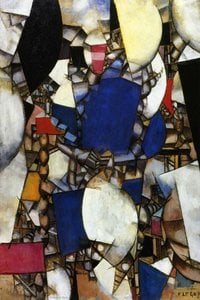
Biografie umělce
Fernand Léger: A Life Forged in Form
Fernand Léger, narozený Joseph Fernand Henri Léger v Argentanu v Normandii v roce 1881, představuje klíčovou postavu ve vývoji moderního umění. Jeho cesta od venkovských farem až po přední pozice pařížské avantgardy je svědectvím neochvějného uměleckého vize a neúnavné snahy zachytit ducha strolové éry. Na rozdíl od mnoha svých současníků, kteří abstrakci přijali jako únik od reprezentace, hledal Léger *integrovat* modernitu – její dynamiku, její mechanické formy, její samotnou esenci – do nového vizuálního jazyka, který byl zároveň silně abstraktní a hluboce zakořeněný v pozorovatelném světě. Jeho rané dětství, obdařeno fyzickou prací na farmě, poskytovalo protiklad k průmyslové budoucnosti, kterou tak vášnivě zobrazoval. Původně určený k architektuře, Légerova cesta se přesunula k malbě poté, co se usadil v Paříži kolem roku 1900, kde si vydělával jako návrhář, zatímco zdokonaloval své umělecké dovednosti. Tato éra byla charakteristická tradičním akademickým školením, ale skutečná transformace začala probíhat až poté, co se setkal s průlomovým dílem Paula Cézanne, který ho osvobodil od konvenční reprezentace a poháněl ho směrem k geometrickému a strukturovanějšímu přístupu.
Narození ‘Tubismu’ a Sekce d'Or
Retrospektiva Cézanne v roce 1907 fungovala jako katalyzátor, osvobodil Légera od konvenční reprezentace a poháněl ho směrem k geometrickému a strukturovanějšímu přístupu. Začal rozebírat formy, analyzovat jejich základní struktury a znovu je vytvářet na plátně s novým důrazem na pevnost a objem. Tato explorace rychle vedla do kruhů Kubismu, ale Léger nebyl spokojen se pouhým replikováním stylů Picassa nebo Braque. Místo toho vyvinul svůj vlastní jedinečný idiom – osobní formu kubismu, kterou kritici hravě přezdívali “Tubismus”. Charakterizovaný válcovitými formami, zploštělými pláňmi a výraznými barevnými kontrasty, Tubismus oslavoval stroje estetiku ještě předtím, než se stala široce rozšířenou. Byl to umění narozené z pozorování rozvíjejícího se průmyslového světa, které hledalo krásu v jejich funkčních tvarech a mechanických rytmech. Tato éra viděla Légera aktivně zapojovaného do avantgardní scény, spojujícího se s umělci jako Jean Metzinger, Henri Le Fauconnier, Francis Picabia a Marcel Duchamp v rámci skupiny Puteaux, také známé jako Sekce d'Or (Zlatá sekce). Skupina zkoumala matematické principy harmonie a proporcionality, snažila se vnést do svého umění pocit pořádku a racionality. Jejich společné výzkumy posouvaly hranice uměleckého vyjádření a položily základy pro budoucí vývoj abstraktního umění.
Válka, Mechanizace a Nová Estetika
Rozruch první světové války zásadně ovlivnil Légerovo život a dílo. Jeho služba na frontě od roku 1914 do 1916 ho vystavila hrůzám moderní války – dělostřeleckým úderům, letecké bitvy a dehumanizujícím účinkem mechanizovaných konfliktů. Tento zážitek nezpůsobil zklamání ani odmítnutí modernity; spíše posílil jeho fascinaci stroji a jejich mocí. Skici vytvořené během jeho služby dokumentovaly krásu vojenské technologie, transformovaly nástroje ničení na předměty uměleckého zamyšlení. Po návratu do civilního života se Légerova estetika dále vyvíjela. Jeho obrazy začaly odrážet více zjednodušenou, mechanickou senzibilitu, oslavující dynamiku a efektivitu průmyslového světa. *Soldier with a Pipe* (1916) je toho příkladem, který zobrazuje geometrické formy a výrazné barvy, které evokují pocit mechanické přesnosti. Nešlo o pouhou estetickou volbu; byla to filozofická prohlášení – potvrzení potenciálu modernosti pro pokrok a obrozenou, i v souvislosti s ničivými konflikty.
Dědictví a Trvalý Vliv
V jeho post-válečných letech Léger pokračoval ve zkoumání střetu umění a průmyslu, vytvářel díla oslavující moderní život s jedinečnou kombinací abstrakce a figurace. Jeho *Paysages animés* (Animované krajiny) série z roku 1921 zobrazovala postavy a zvířata integrované do zjednodušených kompozic, rozmazávaly hranice mezi organickým a neorganickým světem. Také experimentoval se sochou a filmem, rozšiřoval své umělecké portfolio za hranice tradičního malířství. Légerův vliv na budoucí generace umělců je nezpochybnitelný. Jeho odvážné zjednodušení tvaru, přijetí průmyslových obrazů a oslava populární kultury předznamenaly vznik Pop Artu desetiletími později. Umělci jako Roy Lichtenstein a Andy Warhol v něm viděli jasný dluh. Překonal mezí mezi abstraktním uměním a figurativní reprezentací, dokázal, že je možné vytvářet díla, která jsou zároveň intelektuálně náročná a vizuálně poutavá. Dnes obrazy Fernanda Légera jsou vystaveny v předních muzejích po celém světě, včetně Musée d'Art et d’Histoire ve Francii a Musée National Fernand Léger, věnovaného výhradně jeho dílu. Zůstává obrovskou postavou 20. století – vizionářem, který se odvážil nalézat krásu v strolové éře a přenášet její energii na plátno s neochvějnou odvahou a originalitou.



 Zobrazit v interiéru
 Přepnout na tiskové verze
 Odeslat
 Sdílet
 Podrobnosti
 Průvodce

 Stáhnout obrázek
 Podobné kousky
 Rentgenové snímky
 Slideshow
 Statistiky
 Přečíst si více






































 Skleněná varianta je dostupná pouze u rozměrů menších než 110 cm