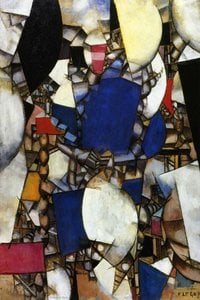
Acrylic On CanvasWallArtCubist
 51.0 x 66.0 cm
Ručně malovaná olejná barva na plátně ve vašem zvoleném rozměru i s rámem, vyrobená našimi umělci na zakázku. ( Koupit tisk Koupit obrázek)





























Vyberte si z našich přednastavených velikostí, které odpovídají původním proporcím díla.

Můžete zadat vlastní rozměry pro konkrétní rám nebo prostor. Pokud se vámi vybraná velikost neshoduje s proporcemi původního obrazu, dílo buď ořízneme, nebo jej doplníme ručně malovanými prvky. Před zahájením výroby vám bude zaslán digitální náhled ke schválení.
Upozorňujeme, že náhled na obrazovce neodpovídá skutečnému ořezu ani rozšíření. Pouze digitální náhled přesně zobrazí finální kompozici.
Ačkoliv je možné zvolit vlastní velikost, pro zachování původních proporcí doporučujeme vybrat rozměr z předdefinovaného seznamu.
Celosvětová doprava () za 3–4 týdny namísto standardních 5 týdnů. (7 září). Bez kompromisů v kvalitě.


Portrait of Nadia
Rozměry reprodukce
Fernand Léger's "Portrait of Nadia," painted circa 1947, stands as a cornerstone of Naïve Art and a striking embodiment of the artistic spirit of the mid-20th century. More than just a depiction of a woman—Nadia Khodossiévitch, a Belarusian avant-garde artist herself—the painting is an exploration of form and texture, reflecting Léger’s fascination with industrial aesthetics and his unwavering belief in capturing the essence of modernity.
The artwork’s composition centers on Nadia's face and upper torso, positioned centrally within a muted beige background. Léger skillfully employs graphite on wove paper to achieve remarkable textural detail despite his stylistic choices. Thick black lines delineate the contours of her features—eyes, nose, mouth—creating a striking contrast against the pale surface. These lines aren’t meant to mimic naturalistic proportions; instead, they serve as geometric anchors, reinforcing Léger's commitment to abstraction.
"Portrait of Nadia" transcends mere visual representation; it communicates a profound sense of introspection and contemplation. The woman’s hand resting gently on her cheek symbolizes thoughtfulness, inviting the viewer to consider themes of inner life amidst an increasingly mechanized world. Léger's deliberate use of muted tones—primarily beige—creates a serene atmosphere that underscores the painting’s contemplative mood.
Created during World War II, “Portrait of Nadia” reflects Léger’s engagement with the broader cultural landscape of his era. He was a staunch supporter of Surrealism and Dada, yet he steadfastly pursued his own artistic vision—one rooted in geometric abstraction but imbued with an enduring appreciation for human form. Léger's influence extends far beyond his immediate contemporaries, foreshadowing the emergence of Pop Art and establishing him as a pivotal figure in the history of modern art.

1881 - 1955 , Francie

Explore the vibrant world of Fernand Léger. Discover how his 'Tubism' and Machine Age aesthetics redefined modern art, offering profound inspiration for discerning collectors seeking geometric beauty and industrial dynamism.

Explore the profound evolution of Cubist still life, from Cézanne's structural foundations to the fragmented brilliance of Braque and Léger. Discover how geometric abstraction redefined reality through a sophisticated lens of form, color, and modern artistic mastery.

 Náhled
 Sdílet
 Sdílet
 Podrobnosti o díle

 Stáhnout
 Podobné položky
 Rentgenové snímky
 Slideshow
 Zobrazit více







 Skleněná varianta je dostupná pouze u rozměrů menších než 110 cm