Giclée nebo plátěný tisk muzeální kvality s rychlou výrobou a širokou nabídkou povrchových úprav. ( Koupit ručně malovaný obraz Přepnout na digitální obraz)





























Vyberte si z našich přednastavených velikostí, které odpovídají původním proporcím díla.

Zadejte šířku a výšku, které potřebujete pro váš rám nebo stěnu. Tisk lze pouze oříznout, nikdy však nelze zvětšit obraz nad jeho původní rozměr, proto při výběru jiného formátu dochází ke ztrátě části obrazu. Před samotným tiskem vám zašleme digitální náhled k schválení. Obraz zobrazený na této stránce nenabízí skutečný výřez — ten uvidíte pouze v náhledu.
Celosvětové doručení () do 2 týdnů namísto standardních 4/5 týdnů. (14 listopad)
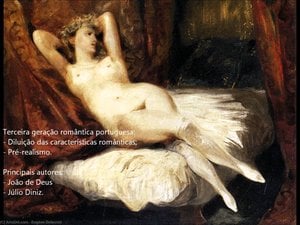
Apollo Slays Python (detail)
Rozměry reprodukce
„Apollo Slays Python (detail)“ je definováno paletou Earthy, v níž dominuje barva Driftwood (#917b5d).
Dílo „Apollo Slays Python (detail)“ od Eugène Delacroix je klasifikováno jako WallArt. Tato kategorie určuje typ uměleckého díla, kterým je originál.
Vzhledem k jeho Earthy barevnosti je dílo „Apollo Slays Python (detail)“ doporučeno do místnosti Living Room.

V Charenton-Saint-Maurice nedaleko Paříže je vzduch těžký váhou měnící se éry, když se 26. dubna 1798 na svět přichází Ferdinand Victor Eugène Delacroix. On v devatenáctém století pouze nežije; on definuje jeho emocionální puls. Jako vůdce francouzské romantické školy odmítá Eugène Delacroix chladné, vypočítané linie předchozí generace. Hledá něco nestálnějšího, něco bouřlivějšího. Jeho štětec se pohybuje s neklidnou energií, která zrcadlí společenské otřesy ve Francii, a vyměňuje akademickou střízlivost za syrový, individualistický vyjádření lidské existence.
Jeho kariéra je řetězcem intenzivních střetů mezi vizí a realitou. Prochází krajinou politických povstání a osobních vášní, přičemž se často ocitá v centru těch nejturbulentnějších okamžiků své éry. Do konce svého života, který dožil 13. srpna 1863, zásadně změní trajektorii evropského malířství. Zanechává po sobě odkaz pohybu a barvy, který zpochybňuje samotné základy klasické tradice.
Kořeny rodovodu, kterým byl Eugène Delacroix, se opírají o fascinující spojení řemeslné zručnosti a diplomacie. Jeho matka, Victoire Oebenová, byla dcerou mistra nábytek Jean-François Oeben. Jeho otec, Charles-François Delacroix, se pohyboval v nejvlivnějších kruzích, což se jasně odráželo v sociálním postavení celé rodiny. Eugène vyrůstal ve společnosti tří svých výrazně starších sourozenců: Charles-Henriho, Henrietty a Henriho. Tento věkový rozdíl proměnil jeho domov spíše v prostředí plné dospělých osobností než v dětský pokoj plný vrstevníků.
Jeho vzdělávací cesta se ubírala skrze francouzský akademický systém. Studoval na lyceích Louis-le-Grand a Pierre Corneille v Rouen. Tato léta studia položila intelektuální základy pro jeho pozdější umělecké výzkumy. Přechod ze studenta na skutečného umělce nastal pod vedením Pierre-Narcisse Guérina. Guérin, významný neoklasicistický malbař, poskytl formální trénink nezbytný pro proniknutí do pařížského uměleckého světa. Ačkoliv Guérin kladl důraz na přísná pravidla neoklasicismu, semena zcela odlišného, hluboce emocionálního přístupu se již tehdy skrze tuto přísnou akademickou výchovu začínala klíčit.
Trajektorie Delacroixovy kariéry našla svůj pevný bod ve stínu Charlese-Maurice de Talleyrand-Périgorda. Talleyrand, muž s nesmírným politickým vlivem, byl blízkým přítelem rodiny a postavou, která se o mladého umělce uplatila jako o svého duchovního syna. Toto vztah poskytoval mnohem víc než jen společenské postavení; nabízel přímou cestu do nejvyšších sfér francouzského vlivu. Zatímco Talleyrand manévroval mezi proměnlivými politickými vlnami a sloužil jak Restaurování, tak králi Ludvíku Filipovi, zajistil, aby Eugène Delacroix zůstal zakotven v samotném srdci pařížského života. Díky němu umělec obdržoval četné anonymní zakázky, což umožnilo jeho dílu kolovat v elitních kruzích pod závojem diskrétnosti.
Ochrana se sahala až do politických mechanismů poloviny devatenáctého století. Charles Auguste Louis Joseph, véna de Morny, působil jako další vitální štít pro malíře. Tento systém podpory umožnil Delacroixovi orientovat se v krajině měnících se estetických hodnot a politických otřesů. Ačkoliv styl umělce často bránil ustalému řádu, jeho přístup k mocným patronům mu poskytoval stabilitu nezbytnou k realizaci jeho specifické vize romantismu. Tyto vazby překlenuly propast mezi ateliérem a státem a zajistily, aby jeho přítomnost v uměleckém světě zůstala neochvějná i přes turbulence tehdejší éry.
Rok 1832 představuje náhlý zlom v životní i umělecké dráze, kterou vykročil Eugène Delacroix. V rámci diplomatické mise za sulemánem Maroka se vydává na cestu do Severní Afriky. Nejde však o pouhou turistickou prohlídku; je to období intenzivního pozorování a hlubokého vnímání. Během svého pobytu v Alžírsku na něj nezapomenutelným dojmem zapůsobila tamní krajina i lidé. Prochází těmito teritorii a pohlcuje světlo i obřady světa, který se od pařížských salonů liší v každém detailu.
Rozsah jeho tvorby během těchto měsíců je ohromující. Vytvoří přes 100 obrazů a kreseb, ve kterých zachytí podstatu celého regionu prostřednictvím rychlých skic i dokončených děl. Tyto studie slouží k víc než jen k dokumentaci cesty; pomáhají přímo formovat orientalismus. Jeho vize Orientu je vybudována právě z těchto přímých encounterů, které transformují způsob, jakým evropské umění vnímá život v Severní Africe. Skici a obrazy z tohoto období poskytují vizuální jazyk zcela novému uměleckému proudu.
Plátno se pod jeho štětcem mění v prostor napětí a tření. Eugène Delacroix odmítá rigidní, čisté linie neoklasicismu a místo nich volí volnější tahy štětcem a těžké, bohaté textury. Nad přesností kresby upřednostňuje chromatickou intenzitu a emocionální vyjádření. Světlo a stín zde jen tak neosvitezují; ony přímo sochařsky modelují. Díky využití chiaroscura vytesává tvary přímo z temnoty, čímž vytváří pocit hloubky a psychické váhy. Tento přístup se vzdaluje akademickému požadavku na dokonalé kontury a místo toho sází na okamžitý, pronikavý dopad barvy.
Jeho vliv zasahuje až do samotné mechaniky vidění. Studiem optických efektů barvy vyvíjí jazyk světla, který později zásadně ovlivní dílo impresionistů. Tento důraz na to, jak oko vnímá proměnlivé odstíny, představuje odklon od statických kompozic jeho předchůdců. Kromě monumentálních olejomaleb je jeho ruka stejně precizní i v jiných médiích. Jako vynikající litograf překládá komplexní narativy do ohromujících grafických děl, když ilustruje díla Williama Shakespearea či Johannna Wolfganga von Goetheho.
Rok 1825 představuje v jeho tvorbě náhlý a zásadní zlom. Vznikají Popravu doge Marína Faliera a Odalisku , díla, která zvěstují odklon od rigidních omezení předchozí éry. Tyto kusy kladou důraz na emocionální intenzitu a vzdalují se od akademické preciznosti. Chaos a vášeň se stávají hlavními tvůrci jeho plátna.
Rozsah jeho ambicí se dále rozšiřuje s dílem Smrt Sardanapal. Scéna inspirovaná Lordem Byronem vybuchuje v grandiózním spektaklu dekadentní destrukce. Je to monumentální ztvárnění vnitřního i vnějšího neklidu. Do roku 1830 se pak jeho pohled obrací k politickému pulzu Francie. Svoboda vede lid zachycuje červencovou revoluci a využívá alegorickou postavu k ztělesnění ducha rebelie a národní identity. Kompozice je dynamická a vtahuje diváka přímo do středu boje.
Jeho zrak se nakonec upírá k severoafrikovské krajině. V roce 1834 dokončuje Ženy v Alžíru. Toto dílo odráží vliv jeho cest a zachycuje pocit atmosféry prostřednictvím specifického využití světla a barvy. Jeho tahy štětcem zůstávají volné, upřednostňují vyjádření nálady před precizním detalem jeho předchůdců.
Změna v evropském malířství našla své kořeny v jeho unikátním koutku štětce. Prioritizováním optických efektů barvy před nehybnou přesností čáry dokázal Eugène Delacroix rozložit dominanci neoklasicismu. Tento odklon vytvořil nezbytné tření pro vznik impresionismu a postimpresionismu. Jeho experimenty s chromatickou intenzitou a volnými, expresivními tahy štětcem poskytly vzor těm, kteří se později snažili zachytit světlo a atmosféru prostřednictvím čistého barevného projevu.
Jeho fascinace exotikou a tím, co je „jiné“, vyvolala vlnu, která se šířila až do konce 19. století. Tato vášeň pro severoafricánské krajiny a tradice poskytla nezbytný impulz pro symbolistické hnutí. Echa jeho vize prostupují hluboko do moderní éry a ovlivňují řadu umělců, včetně Henriho Matisseho, Wassilyho Kandinského a Paula Kleeho. Eugène Delacroix zůstává mostem mezi érami, často řazeným mezi poslední staré mistry malířství.
Stopy Delacroixova života zůstávají pevně ukotveny v Paříži. V Musée national Eugène Delacroix se atmosféra mění z veřejného prostoru do intimní, soukromé sféry. Toto muzeum sídlí v posledním bytě umělce a uchovává samotné studio, ve kterém tvořil. Návštěvníci procházejí prostory, kde kdysi stály jeho palety a stojany, obklopeni jeho kresbami a osobními předměty, které si vybral během svých cest do Severní Afriky.
Kromě tohoto intimního prostředí dominuje jeho přítomnost i sálům Louvru. Zde se rozměry jeho vize neuvěřitelně rozšiřují. Muzeum uchovává mnoho jeho hlavních děl, včetně monumentálních pláten, která definovala romantické hnutí. Na druhém boku Atlantiku má významnou zastávku Metropolitan Museum of Art v New Yorku, které v jeho tvorbě udržuje významnou reprezentaci, čímž zajišťuje, že jeho vliv sahá daleko za hranice Francie. Ve Spojeném království pak Fitzwilliamovo muzeum v Cambridge hostí Odalisku, dílo, které podtrhuje jeho fascinaci tím exotickým.
Dosah jeho štětce se sahá i do dalších specializovaných sbírek. V Musée Fabre v Montpellieru je stále vystavena Portrét Alfreda Bruyase, který nabízí pohled do společenských kruhů jeho éry. Vidět jeho dílo znamená setkat se s fyzickými pozůstatky života stráveného neustálým pronásledováním světla a barvy napříč kontinenty.

1798 - 1863 , Francie

Explore the emotional power of Delacroix and French Romanticism through expert analysis. Discover the revolution of color and movement now.

Explore the profound tension between Neoclassicism's rational order and Romanticism's emotional depth. An expert journey through the masters of art history, from David to Delacroix, perfect for collectors and enthusiasts seeking a deeper understanding of artistic evolution.
 Náhled v interiéru
 Sdílet
 Sdílet
 Podrobnosti o díle
 Průvodce

 Stáhnout
 Podobné položky
 Rentgenové snímky
 Slideshow
 Otázky a odpovědi
 Statistiky


 Zobrazit více









 Skleněná varianta je dostupná pouze u rozměrů menších než 110 cm