BEZPLATNÉ UMĚLECKÉ PORADENSTVÍ

x
Koupit tisk Koupit tiskKoupit digitální obrázek Koupit digitální obrázek SdíletSdílet
DetailsDetails Přidat do oblíbených Přidat do oblíbených StáhnoutStáhnout Podobné položkyPodobné položky X-RayX-Ray SlideshowSlideshow

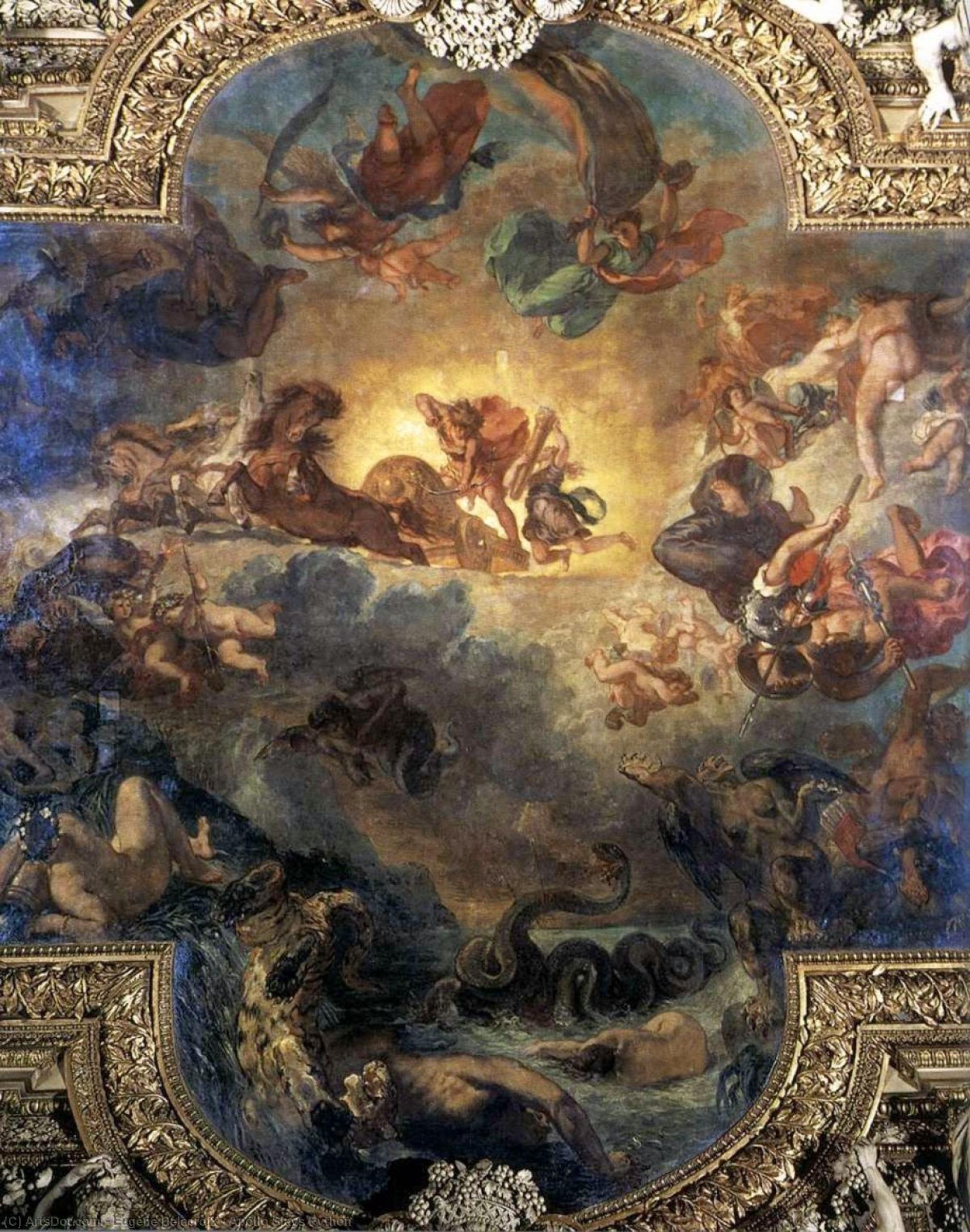
Apollo Slays Python

Eugène Delacroix: přední představitel francouzského romantismu! Objevte dramatické scény, exotická témata a mistrovské barvy. Proslulé obrazy jako 'Svoboda vede lid' vás uchvátí. #Delacroix #Romantismus #FrancouzskéUmění

Ručně malovaná olejová reprodukce

Ručně malovaná olejná barva na plátně ve vašem zvoleném rozměru i s rámem, vyrobená našimi umělci na zakázku.

P118B $10
P118H $10
P118W $10
P438Z $10
P508JH $12
P508YH $12
P805H $10
P805Z $10
P919BZ $10
P919G $10
P919XJ $10
P959ZH $10
P968JZ $12
W106C $8
W218G $10
W218JH $8
W218Y $10
W307PJ $10
W316G $10
W316PJ $8
W316Y $10
W398PJ $8
W4111J $10
W500HY $15
W500JH $15
W692G $12
W849H $8
W940BG $15
W953PJ $8

Standard
custom
CM
INCH

Vyberte si z našich přednastavených velikostí, které odpovídají původním proporcím díla.

šířka
výška

Můžete zadat vlastní rozměry pro konkrétní rám nebo prostor. Pokud se vámi vybraná velikost neshoduje s proporcemi původního obrazu, dílo buď ořízneme, nebo jej doplníme ručně malovanými prvky. Před zahájením výroby vám bude zaslán digitální náhled ke schválení.
Upozorňujeme, že náhled na obrazovce neodpovídá skutečnému ořezu ani rozšíření. Pouze digitální náhled přesně zobrazí finální kompozici.
Ačkoliv je možné zvolit vlastní velikost, pro zachování původních proporcí doporučujeme vybrat rozměr z předdefinovaného seznamu.

Příklady možných změn: Nahrazení obličeje vlastní fotografií; Přidání domácího mazlíčka (např. nahrazení kočky psem); Vložení skrytého vzkazu do pozadí; Změna krajiny nebo prvků v pozadí.
Po přijetí objednávky vám tým WahooArt.com zašle e-mail s pokyny a poskytne náhledovou verzi.

Celosvětová doprava () za 3–4 týdny namísto standardních 5 týdnů. (2 červenec). Bez kompromisů v kvalitě.

why_choose_icon
Zdarma celosvětová expresní doprava
why_choose_icon
Vysoce kvalitní lněné plátno
why_choose_icon
Kompletní přepravní pojištění
why_choose_icon
Záruka vrácení celního poplatku
why_choose_icon
Záruka přesného barevného shodu
why_choose_icon
60denní lhůta pro vrácení zboží (pouze při vadách výroby)
why_choose_icon
100% garance vrácení peněz
why_choose_icon
Sleva při hromadné objednávce

Celková cena

-

reproduction

Apollo Slays Python

Technika reprodukce

Rozměry reprodukce

-

Celková cena za výběr

-

Základní informace

  • Dimensions: 800 x 750 cm
  • Movement: Romanticism
  • Location: Musée du Louvre
  • Artistic style: Expressive realism
  • Influences:
    • Rubens
    • Titian
  • Year: 1850
  • Title: Apollo Slays Python

Kvíz o umění

U každé otázky je pouze jedna správná odpověď.

Otázka 1:
What mythological tale does Eugène Delacroix’s Apollo Slays Python depict?
Otázka 2:
Where is Apollo Slays Python housed?
Otázka 3:
What artistic movement is Eugène Delacroix primarily associated with?
Otázka 4:
Which artist greatly influenced Delacroix's style and approach to painting?
Otázka 5:
What is a prominent feature of the painting’s color palette?

Popis díla

Apollo Slays Python

Eugène Delacroix’s Apollo Slays Python stands as a cornerstone of Romantic art—a visceral embodiment of emotion and imagination that continues to captivate audiences today. Created in 1850, this monumental mural measuring 800 x 750 cm resides within the hallowed halls of the Musée du Louvre in Paris, France, cementing its place amongst artistic treasures. More than just a depiction of mythic grandeur, it’s a profound meditation on heroism, struggle, and divine retribution—a testament to Delacroix's unparalleled ability to translate narrative into visual drama.

The Composition and Storyline

The painting recounts the legendary tale of Apollo, the Greek god of light and healing, confronting Python, a serpent embodying primordial darkness that threatened Delphi’s prophetic oracle. Delacroix meticulously crafted a scene brimming with dynamism and complexity. At its core is a heroic figure—a man astride a horse—dominating the visual space, radiating authority and determination. Surrounding him are supporting characters engaged in various postures, contributing to the narrative's unfolding drama. The inclusion of horses, birds, snakes, and a dog isn’t merely decorative; it serves as symbolic representation of forces battling for supremacy – light versus darkness, order versus chaos. Delacroix skillfully employs a palette that oscillates between luminous whites and yellows—representing Apollo’s radiant glory—and deep reds and purples—signifying Python's menacing presence and the bloodshed of battle.

Artistic Significance

Apollo Slays Python is undeniably a product of the Romantic movement—a reaction against Neoclassical formalism and an embrace of subjective experience. Delacroix, alongside Théodore Géricault, championed individualism and emotional intensity as paramount artistic goals. His technique—characterized by loose brushstrokes and vibrant color harmonies—was revolutionary for its time, anticipating Impressionism’s focus on capturing fleeting moments of light and atmosphere. The mural's monumental scale further underscores Delacroix’s ambition to convey a powerful narrative through visual grandeur.

Other Notable Works by Delacroix

Delacroix’s artistic legacy extends far beyond Apollo Slays Python. Consider his breathtaking watercolor Bouquet of Flowers (1837)—a masterful demonstration of tonal subtlety and delicate color blending—or his introspective self-portrait Self-Portrait with Cap (1839), offering a glimpse into the artist’s psychological landscape. And don't miss Apollo Slays Python (detail)—a close-up study revealing the meticulous layering of paint and the artist’s masterful manipulation of light and shadow.

For those eager to delve deeper into Delacroix's oeuvre, a visit to the Musée Eugène Delacroix is indispensable—a sanctuary dedicated to preserving his life’s work and artistic vision.


Biografie umělce

A Revolutionary Brush: The Life and Legacy of Eugène Delacroix

Ferdinand Victor Eugène Delacroix, born in Charenton-Saint-Maurice near Paris in 1798, was more than just a painter; he was the embodiment of Romanticism’s fervent spirit. Emerging as a leading figure in French art during a period of societal upheaval and shifting aesthetic ideals, Delacroix rejected the rigid formalism of Neoclassicism, instead embracing drama, emotion, and a vibrant palette that would forever alter the course of painting. His life, though marked by personal tragedy, became inextricably linked with his artistic vision—a quest to capture the sublime, explore exotic realms, and express the raw power of human experience.

Delacroix’s early years were shaped by a complex family history and a somewhat fragile health. Orphaned at sixteen, he found guidance in the influential figure of Charles-Maurice de Talleyrand-Périgord, who many believed to be his true father. This connection provided him with crucial patronage and access to the Parisian art world. He initially studied under Pierre-Narcisse Guérin, a respected academic painter, but it was the work of Théodore Géricault—particularly his monumental *The Raft of the Medusa*—that truly ignited Delacroix’s artistic passion. He even posed for Géricault, absorbing the elder artist's commitment to realism and emotional intensity.

From Historical Scenes to Exotic Visions

Delacroix burst onto the Salon scene in 1822 with *Dante and Virgil in Hell*, a work that immediately signaled his departure from established norms. Inspired by Dante Alighieri’s *Inferno*, the painting showcased a bold use of color, dynamic composition, and a palpable sense of psychological turmoil. This marked the beginning of a career dedicated to exploring themes of passion, conflict, and the human condition. While initially met with mixed reactions—some critics lauded his originality, others dismissed his work as chaotic and lacking in classical refinement—Delacroix persevered, developing a distinctive style characterized by loose brushwork, rich textures, and an emphasis on movement.

His fascination extended beyond historical and literary subjects. A pivotal journey to North Africa in 1832 profoundly impacted his artistic trajectory. Immersing himself in the vibrant culture of Morocco, Delacroix was captivated by the exotic landscapes, the nomadic lifestyle of the Arab tribes, and the intensity of their traditions. This experience infused his paintings with a newfound sense of color, light, and energy, as seen in works like *Arab Horses Fighting* and numerous studies of Algerian life. He wasn’t merely documenting these scenes; he was seeking to understand the underlying spirit of a culture vastly different from his own.

The Power of Color and Political Engagement

Delacroix's mastery of color is arguably his most enduring legacy. He drew inspiration from the Baroque exuberance of Rubens and the Venetian Renaissance masters, prioritizing chromatic intensity over precise draftsmanship. He understood that color could evoke emotion, create atmosphere, and convey meaning in ways that line alone could not. This innovative approach profoundly influenced subsequent generations of artists, paving the way for Impressionism and Post-Impressionism.

Beyond his aesthetic innovations, Delacroix was a politically engaged artist. His most iconic work, *Liberty Leading the People* (1830), is not simply a depiction of the July Revolution; it’s a powerful allegory for freedom and rebellion. The painting's dynamic composition, allegorical figures, and raw emotional power cemented its place in art history as a symbol of French national identity and revolutionary ideals. It wasn’t just about documenting an event; it was about capturing the spirit of a nation fighting for its liberty.

A Lasting Influence

Delacroix continued to paint prolifically throughout his life, exploring diverse themes ranging from Shakespearean tragedies to biblical narratives. He also made significant contributions as a lithographer, illustrating works by literary giants like William Scott and Johann Wolfgang von Goethe. His studio became a hub for artistic exchange, attracting aspiring painters who were drawn to his unconventional approach.

By the time of his death in 1863, Delacroix had firmly established himself as one of France’s greatest artists. His influence extended far beyond the Romantic movement, shaping the development of modern painting and inspiring countless artists with his bold use of color, dynamic compositions, and unwavering commitment to emotional expression. He remains a pivotal figure in art history—a testament to the power of individual vision and the enduring allure of the sublime.

Eugène Delacroix

Eugène Delacroix

1798 - 1863 , Francie

Rychlé fakta

  • Artistic Movement Or Style: Romantismus
  • Artists Or Movements Influenced By This Artist:
    • Impresionismus
    • Postimpresionismus
  • Artists Who Influenced This Artist:
    • Rubens
    • Benátští mistři
  • Date Of Birth: 26. dubna 1798
  • Date Of Death: 13. srpna 1863
  • Full Name: Ferdinand Victor Eugène Delacroix
  • Nationality: Francouzská
  • Notable Artworks (List Of Titles):
    • Svoboda vede lid
    • Sardanapalova smrt
  • Place Of Birth (City And Country): Chantonnay, Francie
Prozkoumejte umělecká díla uspořádaná podle témat, stylů a charakteristik.