BEZPLATNÉ UMĚLECKÉ PORADENSTVÍ

x
Koupit tisk Koupit tiskObjednat reprodukci Objednat reprodukci SdíletSdílet
PodrobnostiPodrobnosti Přidat do oblíbených Přidat do oblíbených StáhnoutStáhnout Podobné položkyPodobné položky Rentgenové snímkyRentgenové snímky SlideshowSlideshow

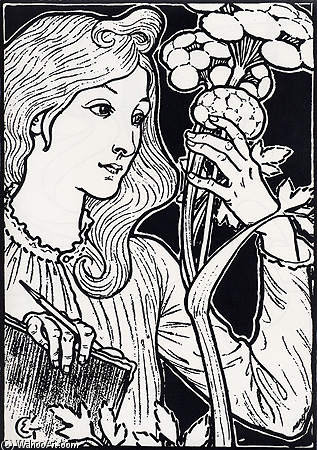
Poster Study

Eugène Grasset (1845-1917): Významný představitel Art Nouveau a dekorativního umění. Poznejte jeho ikonické plakáty, nábytek a vliv na výtvarné umění první poloviny století XX. století. Švýcarský francouzský umělec známý květinovými motivy a estetickou inspirací japonského umění.

Koupě vysoce rozlišeného, vylepšeného digitálního obrazu, který je mnohem kvalitnější než online náhled.

Každý soubor je pečlivě připraven našimi odborníky pomocí pokročilých nástrojů a expertní manuální retuše. Zajišťujeme, aby každý obraz disponoval výjimečnou ostrostí, přesnou barevnou věrností a jemnými detaily.

Finální soubor vám bude do 72 hodin zaslán e-mailem, optimalizovaný pro okamžité použití v profesionálním, redakčním i tiskovém prostředí. Nabízíme stejnou kvalitu, které důvěřují špičková designová studia, nakladatelství i galerie.

Digitální obrazy

Stáhněte si soubor ve vysokém rozlišení pro osobní prohlížení, tisk a kreativní projekty.

Celková cena

$9.99

Součást každé objednávky digitálního obrazu

Profesionální digitální doručení, zaručeno.

Když si vyberete WahooArt.com, nezískáváte pouze obrázek – získáváte digitální umělecké dílo s profesionálně vylepšenými detaily, zpracované s precizností a podpořené zárukou za spokojenost. Zde je vše, co vaše objednávka automaticky obsahuje:

shipping_icon
Rychlé doručení e-mailem

Váš digitální obraz ve vysokém rozlišení vám bude zaslán e-mailem do 72 hodin od objednávky – připraven k okamžitému použití.

canvas_icon
Digitální soubor s využitím AI

Vaše umělecké dílo je profesionálně optimalizováno pomocí pokročilých nástrojů umělé inteligence a manuální úpravy, což zajišťuje maximální úroveň detailu, ostrosti a přesnosti barev.

insurance_icon
Bezplatné doživotní znovuodeslání

Soubor jste omylem smazali nebo ztratili? Žádný problém – kdykoliv vám ho znovu zašleme zcela zdarma.

tax_icon
Bez poplatků za dovoz – navždy

Užijte si své umělecké dílo okamžitě bez celních poplatků, daní nebo nákladů na dopravu – digitální stažení je vždy bez daňových povinností.

color_icon
Záruka přesnosti barev

Pomocí profesionálních nástrojů a správy barev zajišťujeme, aby váš digitální obraz odrážel původní barvy co nejvěrněji.

return_icon
60denní záruka spokojenosti

Pokud nebudete s digitální fotografií spokojeni, provedeme její revizi nebo vám vrátíme 100% během 60 dnů – bez jakýchkoliv dotazů.

guarantee_icon
100% záruka vrácení peněz

Nespokojeni? Získejte plnou částku zpět do 60 dní od přijetí vašeho digitálního souboru – bez jakýchkoliv dotazů.

discount_icon
Slevy při hromadných objednávkách

Koupěte si 3 obrazy, ušetřete 10% - Koupěte si 5, ušetřete 15% - Koupěte si 10+, ušetřete 20%. Ideální pro kreativní projekty, galerie a agentury.


Biografie umělce

A Pioneer of Art Nouveau: The Life and Legacy of Eugène Samuel Grasset

Eugène Samuel Grasset, born in Lausanne, Switzerland on May 25th, 1845 (though some sources cite 1841), emerged as a pivotal figure bridging the gap between traditional craftsmanship and the burgeoning aesthetic of Art Nouveau. His journey began within an artistic household; his father, a skilled cabinet designer and sculptor, instilled in young Eugène both a practical understanding of materials and a deep appreciation for creative expression. This early exposure fostered a sensitivity to form and detail that would become hallmarks of Grasset’s distinctive style. Initial studies under François-Louis David Bocion honed his drawing skills, but it was a subsequent foray into architectural studies in Zurich that broadened his artistic horizons, though ultimately proved insufficient to contain his burgeoning creativity. A transformative experience followed – a voyage to Egypt after completing his formal education. This journey ignited a lifelong fascination with exoticism and ancient design principles, profoundly influencing the decorative motifs that would later define his work. Equally significant was his growing admiration for Japanese art, particularly its emphasis on flowing lines, flattened perspectives, and harmonious compositions—elements he masterfully integrated into his own unique visual language.

Early Training and Artistic Foundations

From a young age, Eugène Grasset demonstrated an exceptional talent for artistic pursuits. His father’s profession – sculpting – provided him with invaluable insight into the manipulation of materials and the pursuit of sculptural excellence. This formative influence instilled in him not only technical proficiency but also a profound appreciation for beauty and craftsmanship—qualities that would permeate his entire oeuvre. Bocion's instruction at Lausanne École Supérieure des Beaux-Arts solidified Grasset’s foundational drawing skills, equipping him with the tools necessary to translate visual concepts into tangible forms. Simultaneously, his architectural studies in Zurich exposed him to the grandeur of Gothic architecture and fostered a keen understanding of spatial organization—elements that would subtly inform his later designs. These early influences established a bedrock of artistic sensibility upon which Grasset would build his distinctive style throughout his prolific career.

The Egyptian Inspiration and Japanese Aesthetics

The decision to embark on a journey to Egypt after graduating from Zurich marked a pivotal moment in Grasset’s intellectual and artistic development. This expedition transported him to the cradle of civilization, immersing him in the rich visual culture of ancient Egypt—a realm characterized by monumental sculptures, intricate hieroglyphs, and stylized ornamentation. The grandeur of Egyptian temples and tombs captivated Grasset's imagination, sparking a lifelong fascination with geometric precision, symbolic representation, and the harmonious integration of decorative elements. He meticulously studied Egyptian art forms, absorbing their stylistic conventions and adapting them to his own artistic vocabulary. Furthermore, Grasset’s encounter with Japanese art profoundly impacted his aesthetic sensibilities. Visiting Japan during the late 1870s, he was immediately drawn to the elegance of Japanese gardens, the subtlety of calligraphy, and the masterful use of asymmetry—principles that stood in stark contrast to the prevailing conventions of Western art at the time. He recognized the beauty inherent in flattened perspectives, flowing lines, and a deliberate avoidance of excessive ornamentation—elements he skillfully incorporated into his own designs, creating a distinctive visual language that blended Eastern and Western influences. This synthesis of Egyptian grandeur and Japanese refinement became a hallmark of Grasset’s artistic style.

A Diverse Career Across Disciplines

By 1869-1870, Grasset established himself as both a painter and sculptor in Lausanne, demonstrating versatility and ambition from the outset. However, his aspirations extended far beyond the confines of Switzerland; he harbored an irresistible desire to explore the artistic landscape of Paris—a city renowned for its intellectual ferment and its patronage of avant-garde art movements. In 1871, he relocated to France, embarking on an extraordinarily diverse career that encompassed furniture design, fabric creation, tapestry weaving, ceramic artistry, and jewelry making. These weren’t merely exercises in applied arts; Grasset elevated them to high art, employing luxurious materials like ivory and gold with a meticulous attention to detail and innovative combinations of textures and forms. His creations quickly became foundational elements of the Art Nouveau movement, embodying its organic aesthetic and rejection of rigid academic conventions. He meticulously studied Gothic* architecture and stained glass windows, and became friendly with Eugène Viollet-le Duc, the architect responsible for the restoration of Notre-Dame.*

The Flowering of Graphic Design and Artistic Recognition

In 1877, Grasset turned his attention towards graphic design, initially focusing on postcards before expanding into the realm of postage stamps for both France and Switzerland. It was, however, in the field of poster art that he truly excelled. He rapidly gained recognition as a master of the medium, producing lithographs that were not only visually stunning but also remarkably effective in communicating their message. His *Jeanne d'Arc Sarah Bernhardt* poster became one of his most celebrated works, earning inclusion in the prestigious *Maîtres de l’Affiche* series—a testament to its artistic merit and widespread acclaim. Yet, perhaps his most enduring legacy is the “Semeuse,” a captivating figure scattering dandelion seeds, created in 1890 for Éditions Larousse—a symbol of renewal and dissemination of knowledge that continues to resonate with audiences today.* He designed the Christmas cover for *Harper’s Magazine* in 1892 and contributed illustrations—*The Wooly Horse* and *The Sun of Austerlitz*—to *Century Magazine* in 1894, accompanying a serialized story about Napoleon Bonaparte. Notably, *The Wooly Horse* proved so popular that it was recreated in stained glass by Louis Comfort Tiffany, highlighting the cross-pollination of artistic ideas during this period.* ## Artistic Legacy and Enduring Influence Beyond his prolific creative output, Grasset dedicated himself to education, believing strongly in nurturing the next generation of artists and designers. He taught at several prominent Parisian institutions—École Guérin (1890–1903), École d’art graphique (1903–1904), Académie de la Grande Chaumière (1904–1913)—imparting his knowledge and inspiring countless students. Among his notable pupils were Paul Berthon, Georges Bourgeot, Augusto Giacometti, and Arsène Herbinier—all of whom went on to achieve significant success in their own right.* Eugène Samuel Grasset passed away on October 23rd, 1917, in Sceaux, France, leaving behind a rich artistic legacy. He is rightfully remembered as a pivotal figure in the Art Nouveau movement, a visionary who seamlessly blended tradition with innovation and whose work continues to inspire artists and designers today.* His innovative use of floral motifs, Japanese influences, and historical references remains remarkably relevant, demonstrating the enduring power of his aesthetic vision.* Grasset’s ability to synthesize diverse influences into a cohesive and original style remains a source of inspiration for designers seeking to create visually compelling and emotionally resonant works.
Eugène Samuel Grasset

Eugène Samuel Grasset

1845 - 1917 , Švýcarsko

Stručné informace

  • Artistic Movement Or Style: Art Nouveau
  • Artists Who Influenced This Artist:
    • Viollet le Duc
    • Japanese art
  • Date Of Birth: May 25, 1845
  • Date Of Death: October 23, 1917
  • Full Name: Eugène Samuel Grasset
  • Nationality: Swiss-French
  • Notable Artworks:
    • Jeanne d'Arc Sarah Bernhardt
    • Semeuse (the sower)
    • February
  • Place Of Birth: Lausanne, Switzerland