


Giclée nebo plátěný tisk muzeální kvality s rychlou výrobou a flexibilními možnostmi povrchové úpravy. ( Koupit ručně malovaný obraz Koupit obrázek)





























Vyberte si z našich přednastavených velikostí, které odpovídají původním proporcím díla.

Můžete zadat vlastní rozměry tak, aby výtvor odpovídal konkrétnímu rámu nebo prostoru. Pokud zvolená velikost nebude odpovídat poměru stran původního obrazu, dílo buď ořížeme, nebo obraz rozšíříme pomocí zrcadlového efektu či jednobarevného okraje. Před zahájením výroby vám bude zaslán digitální náhled k schválení.
Mějte prosím na paměti, že náhled na obrazovce neodráží skutečné oříznutí nebo rozšíření. Pouze digitální náhled přesně zobrazí finální kompozici.
Ačkoliv jsou k dispozici i vlastní rozměry, pro zachování původních proporcí doporučujeme vybrat si rozměr z předdefinovaného seznamu.
Celosvětové doručení () do 2 týdnů namísto standardních 4/5 týdnů. (6 září)


Rouen, Spring
Rozměry reprodukce
Paul Gauguin’s “Rouen, Spring,” painted in 1884, stands as a cornerstone of Post-Impressionism—a movement that dared to reject the fleeting impressions of light favored by its predecessors and instead embraced subjective emotion and expressive color. More than just a depiction of a Rouen streetscape, it's an embodiment of Gauguin’s artistic philosophy: a deliberate attempt to capture not merely what he saw but what he felt.
“Rouen, Spring” presents a deceptively simple scene: a solitary tree dominating the foreground against a brick building backdrop. Yet, Gauguin’s masterful technique elevates this commonplace subject into an arresting visual experience. He employed bold brushstrokes—characteristic of Synthetist style—to build up layers of color and texture, creating a palpable sense of atmosphere. The artist skillfully utilized complementary colors—greens and reds—to heighten the vibrancy of the composition and draw the viewer’s eye across the canvas.
Painted during Gauguin’s Tahitian period, “Rouen, Spring” reflects his desire to transcend mere representation and delve into deeper psychological truths. The tree itself—a recurring motif in Gauguin's oeuvre—represents resilience and spiritual growth—themes central to Symbolist thought. Its branches reaching upwards symbolize aspiration and connection with the divine, while its foliage embodies fecundity and renewal.

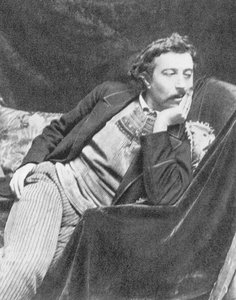
1848 - 1903 , Francie

Master the nuances of Impressionism vs. Post-Impressionism with our expert guide. Explore the revolutionary shift from Monet’s fleeting light to Van Gogh’s emotional depth. Discover how these iconic movements continue to inspire fine art collectors and modern interiors today.

Unveil the profound revolution of Post-Impressionism. Explore how masters like Van Gogh and Cézanne utilized bold colors and emotional depth to transcend mere representation, laying the foundation for modern art. A sophisticated journey through history's most emotive brushstrokes.

Explore the transformative era of Post-Impressionism. Discover how masters like Cézanne and Matisse revolutionized color and form, moving beyond Impressionism to shape modern art history through structural innovation and expressive emotion.

Explore the vibrant evolution of Post-Impressionism. From Seurat's revolutionary Pointillism to the emotional depth of masters, discover how this movement redefined modern art history through color, structure, and unparalleled creative expression.

Delve into the vibrant world of Paul Gauguin. Explore his revolutionary use of color, Tahitian symbolism, and the profound impact of tropical primitivism on Post-Impressionism through an expert art-historical lens.

 Náhled
 Sdílet
 Sdílet
 Podrobnosti o díle

 Stáhnout
 Podobné položky
 Rentgenové snímky
 Slideshow

 Zobrazit více







 Skleněná varianta je dostupná pouze u rozměrů menších než 110 cm


