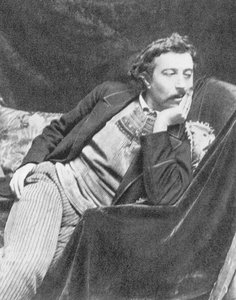
A Life Painted in Bold Strokes: The World of Paul Gauguin
Eugène Henri Paul Gauguin, jméno, které zní s vibrancí barev a rebelským duchem, stojí jako klíčová postava při přechodu od impresionismu k modernímu umění. Narodil se v Paříži v roce 1848 a jeho život byl rozhodně nekonvenční. Jeho rané roky byly utvářeny neobvyklým vychováváním; otce novinář, matku pocházející z peruaného šlechtického rodu – její babička, Flora Tristanová, průkopnická feministka a socialistická spisovatelka, jejíchž ideály bezpochyby rezonovaly v rodině. Toto dědictví hluboce ovlivnilo Gauguinův umělecké vizi, inspirovalo ho k fascinaci kulturami za hranicemi Evropy. Formativní období strávené v Peru jako dítě po přesídlení rodiny v roce 1850, vtáhlo ho do světa drasticky odlišného od pařížské společnosti, zkušenost, která přetrvávala a nakonec poháněla jeho snahu o autenticitu v umění. Po otcově smrti se vrátil do Francie a získal formální vzdělání, ale cítil se přitahován ne akademickými obory, nýbrž rozvíjejícím se finančním světem, kde začal pracovat jako akcionář – cesta, která zdánlivě odporovala uměleckému osudu, který ho čekal.
Od Finance k Umělecké Volání
Po mnoho let vedl Gauguin dvojí život, pečlivě usiloval o své obchodní záležitosti a tajně rozvíjel vášeň pro malování. V počátcích byl ovlivněn impresionisty a začal experimentovat s barvami a světlem ve svém volném čase, ale brzy se cítil omezen jejich závazkem k zachycení mihotavých okamžiků reality. Finanční krize roku 1882 představila obratový bod, který ho donutil opustit lukrativní kariéru a s vervou přijmout uměleckou volání. Nešlo jen o změnu povolání; byla to fundamentální změna vnímání světa. Hledal vedení od Camille Pissarra, který mu doporučil rozvoj a představil ho avantgardním kruhům Paříže. Gauguin však brzy začal divergovat od impresionistických principů, toužil po něčem více expresivním, více symbolickém – prostředku k vyjádření ne jen toho, *co viděl*, ale toho, *co cítil*. Tato touha ho vedla na cestu uměleckého prozkoumávání, která ho zavedla daleko za pařížské salony a do srdce „primitivních“ kultur. Nezajímal se jen o zobrazení těchto kultur; toužil je absorbovat, věřil, že skrývají čistotu ztracenou v západní civilizaci.
Výzva z Bretaně a Tahiti
Gauguinův umělecký vývoj byl neodmyslitelně spjat s jeho cestami. Strávil čas v Bretani, kde byl okouzlán divokými krajinami a hluboce zakořeněnými tradicemi jejích obyvatel. Tato éra přinesla experimenty s plochými tvary, výraznými obrysy a zjednodušením kompozice – techniky, které ho postupně odpojovaly od naturalismu a přibližovaly ho k uměleckému jazyku založenému na symbolice. Ale jeho cesta do Tahiti v roce 1891 skutečně uvolnila jeho kreativní potenciál. Hledal útočiště před tím, co vnímával jako omezující omezení západní civilizace, a doufal, že najde inspiraci v polynéské kultuře, věřil, že nabízí čistší, autentičtější způsob života. Nezjednodušeně řečeno, nešlo jen o umělecké úsilí; byla to duchovní cesta. Vžíral se do místních zvyků a přesvědčení, zobrazoval polynéské ženy, krajiny a náboženské praktiky prostřednictvím svého jedinečního pohledu. Influencován japonskými rytmickými tisky – *Japonismem* – a středověkým uměním vyvinul charakteristickou estetiku, vyznačující se bohatými barvami, exotickým námětem a atmosférou tajemna. Ikonické obrazy jako
„Vahine no te miti“ (Žena s mangem),
„Manao Tupapau“ (Pozorovaný duchem mrtvých) a
„Den bohů“ vznikly v tomto období, upevňující jeho pověst jako vizionářského umělce. Jeho používání barev se stalo stále odvážnějším a ne-přirozenějším, sloužícího k vyjádření emocí a duchovní významu, nikoli k replikaci reality.
Dědictví a Kontroverze
Přestože jeho umělecké průlomy, Gauguinův život byl často poznamenán obtížemi. Bořil se s finančními problémy a ubývajícím zdravím během svého pobytu v Tahiti a později na ostrovech Marquesas, kde nakonec usadil. Přesto pokračoval v malování produkčně, neustále zkoumal témata života, smrti a spirituality. Zemřel v roce 1903 na hoji – Hiva Oa, odlehlý ostrov v Marquesaských ostrovech, převážně neznalý pro jeho genialitu. Pouze po jeho smrti začala jeho práce získávat si zaslouženou obdiv. Dnes je oslavován jako klíčová postava vývoje moderního umění, který překlenul mezeru mezi impresionismem a symbolismem a vytyčil cestu pro směry jako fauvizmus. Jeho používání barev, zjednodušené tvary a symbolický obrazový jazyk hluboce ovlivnily umělce jako Pabla Picassa, Henriho Matissea a mnoho dalších. Nicméně Gauguin zůstává kontroverzní postavou kvůli aspektům svého osobního života – zejména svým vztahům s mladými polynéskými ženami – které pokračují v debatě a reinterpretaci v kontextu současných etických úvah. Přesto je jeho umělecký příspěvek nepopiratelný a jeho dědictví inspiruje umělce i milovníky umění po celém světě. Byl opravdovým inovátorem, rebéllem, který se odvážil zpochybnit konvence a vybojovat si vlastní cestu, nechávaje za sebou dílo, které je stejně poutavé a záhadné jako samotný muž.
Klíčové vlivy & Umělecké charakteristiky
- Impresionismus: Raná podpora od barev a světla, později odmítnuta pro její zaměření na mihotavou realitu.
- Japonismus: Inspirace plochými perspektivami, výraznými obrysy a dekorativními vzory.
- Středověký umění: Vliv symbolického obrazového jazyka a odmítnutí přísné realizmu.
- Synthetismus: Styl vyvinutý Gauguinem, který zdůrazňuje vytváření umění založeného na subjektivním zážitku spíše než objektivní pozorování.
- Primitivism: Fascinace ne-západními kulturami, věřící, že nabízejí čistší a duchovnější způsob života. To se odráží v jeho námětech a stylu.



 Zobrazit v interiéru
 Objednat ručně malovanou reprodukci
 Odeslat
 Sdílet
 Podrobnosti
 Průvodce

 Stáhnout obrázek
 Podobné kousky
 Rentgenové snímky
 Slideshow
 Statistiky


 Přečíst si více






































 Skleněná varianta je dostupná pouze u rozměrů menších než 110 cm