
BEZPLATNÉ UMĚLECKÉ PORADENSTVÍ


x


 Koupit tisk Koupit digitální obrázek
 Sdílet
 Podrobnosti
 Přidat do oblíbených
 Stáhnout
 Podobné položky
 Rentgenové snímky
 Slideshow
Ručně malovaná olejná barva na plátně ve vašem zvoleném rozměru i s rámem, vyrobená našimi umělci na zakázku.
Vyberte si z našich přednastavených velikostí, které odpovídají původním proporcím díla.

Můžete zadat vlastní rozměry pro konkrétní rám nebo prostor. Pokud se vámi vybraná velikost neshoduje s proporcemi původního obrazu, dílo buď ořízneme, nebo jej doplníme ručně malovanými prvky. Před zahájením výroby vám bude zaslán digitální náhled ke schválení.
Upozorňujeme, že náhled na obrazovce neodpovídá skutečnému ořezu ani rozšíření. Pouze digitální náhled přesně zobrazí finální kompozici.
Ačkoliv je možné zvolit vlastní velikost, pro zachování původních proporcí doporučujeme vybrat rozměr z předdefinovaného seznamu.
Celosvětová doprava () za 3–4 týdny namísto standardních 5 týdnů. (4 červenec). Bez kompromisů v kvalitě.


Night Robbers
Rozměry reprodukce


1820 - 1876 , Francie
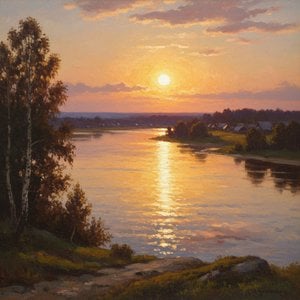
Explore the captivating world of Arkhip Kuindzhi, a master of light and Romantic realism in Imperial Russia. Discover his iconic landscapes, artistic techniques, and lasting legacy with WahooArt.

Discover the captivating world of Eugen von Blaas! Explore his exquisite 19th-century paintings capturing Venetian life & Alpine beauty. Learn about his Academic Classicism style and find museum-quality reproductions at WahooArt.

Objevte 10 legendárních olejů na panelu, které změnily dějiny umění! Ponořte se do příběhů renesančních mistrů, impresionistických ikon a barokních skvostů. Reprodukce obrazů nejvyšší kvality pro váš interiér – WahooArt.cz

Objevte 10 legendárních olejů na plátně od Van Gogha, Moneta a dalších mistrů! Ponořte se do příběhů ikonických děl impresionismu a moderního umění. Reprodukce obrazů pro váš interiér – WahooArt.cz

Průvodce pro sběratele olejomalby od WahooArt. Kritéria výběru, investiční potenciál, péče o díla a transparentní proces tvorby na zakázku. Získejte odborné rady a budujte hodnotnou uměleckou sbírku.


Buďte na tahu s nejnovějšími novinkami ze světa umění, exkluzivními nabídkami a inspirativními nápady na dekoraci.
Sdělte nám více o svém projektu a naši odborníci na umění vám připraví 3 personalizované návrhy uměleckých děl.
Nechť pro vás vybereme 3 možnosti – zdarma!
 Sdílet


 Zobrazit více




































 Skleněná varianta je dostupná pouze u rozměrů menších než 110 cm


