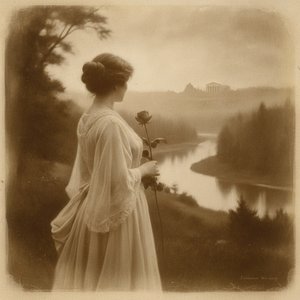
Biografie umělce
Kronikář staré Paříže: Život a odkaz Eugène Atget
Narodil se jako Jean-Eugène-Auguste Atget v roce 1857 v tichém francouzském městečku Libourne. Fotograf, který se stal synonymem pro „starou Paříž“, začal svůj život pod stínem ztráty. Po smrti obou rodičů zůzal v pokročilém věku sedmi let osamocen a mladý Eugène byl vychován svými pr 된ěщими babičkou a dědečkem v Bordeaux. Tato raná zkušenost vykořenění a možná i rodící se pocit pomíjivosti mohly subtilně ovlivnit jeho pozdější umělecké pohnutí – nutkavou potřebu dokumentovat svět, který cítil, že mu navždy uniká. Jeho počáteční ambice byly od fotografie velmi daleko; Atget se věnoval herectví, zapsal se do herecké školy, ale jeho cestu přerušila povinná vojenská služba. Následná snaha o hereckou kariéru v cestující družině byla ukončena problémy s hlasivkami, což ho přimělo přehodnotit svůj směr. Právě kolem roku 1887, po těchto raných neúspěších, se obrátil k nově vznikajícímu umění fotografie, přičemž zpočátku vytvářel snímky určené k prodeji umělcům a řemeslníkům – příjemné krajiny a scény sloužící jako referenční materiál.
Systematická vize: Dokumentace mizící Paříže
Zlom nastal kolem roku 1897, což znamenalo skutečný začátek Atgetova výjimečného životního díla. Vydal se na cestu systematické dokumentace „staré Paříže“, projektu, který ho pohltil téměř tři desetiletí. Nešlo o pouhý pitvácký turismus; byla to téměř antropologická práce, poháněná touhou zachránit fyzickou podstatu města procházejícího rychlou modernizací. V ruce držel velkoformátový dřevějším sklopný fotoaparát a využíval skleněné suché desky (18x24 cm), když s precizností zaznamenával úzké uličky, starobylé nádvoří, velkolepé paláce i rušný pouliční život, který definoval historické srdce Paříže. Nezajímalo ho umělecké zdobení ani dramatická kompozice; jeho přístup byl v základu dokumentární, směřující k objektivní reprezentaci. Od roku 1906 tato oddanost přinesla zakázky od institucí jako Musée Carnavalet či Bibliothèque Historique de la Ville de Paris, čímž upevnil svou roli oficiálního kronikáře pařížské historie. Fotografoval nejen grandiózní monumenty, ale i každodenní detaily – výlohy obchodů, pouliční prodejce, sběratele starin, dokonce i prostitutky – a vytvářel tak komplexní portrét městského života v celé jeho složitosti.
Jedinečná estetika: Atmosféra a plynutí času
Atgetovy fotografie mají specifickou estetiku, která pramení stejně z technické nutnosti jako z uměleckého záměru. Dlouhé časy expozice vyžadované jeho vybavením často vytvářely éterickou kvalitu, rozmazávaly pohyb a vytvářely mlhavou atmosféru. Nebyla to vada, ale spíše definující charakteristika, která jeho snímkům dodávala pocit nadčasovosti a melancholie. Často zachytával scény s minimem lidí nebo postavy, které byly díky prodlouženým expozicím proměněny v přízračné stíny, čímž zdůrazňoval prostor a náladu spíše než ostrý detail. Jeho kompozice jsou často charakterizovány záměrným nedostatkem dramatického zaměření; místo toho představuje široký pohled, který pozorovatele zve k procházce scénou a nasáknutí se její atmosférou. Tento přístup nešlo o zachycení okamžitého momentu, ale o vyjádření trvající přítomnosti místa – váhy historie vrytých do pařížských kamenů a ulic. Nesnažil se interpretovat, ale zaznamenávat.
Pozdější uznání a nesmrtelný vliv
Navzdory svému nasazení a obrovskému objemu své práce – odhaduje se, že zanechal kolem 8 500 negativů – získal Atget za svého života překvapivě málo uznání. Pouze hrstka mladých umělců dokázala rozpoznat genialitu jeho přístupu. Jeho odkaz se začal plně odhalovat až po jeho smrti v roce 1927, a to především díky úsilí americké fotografky Berenice Abbott. Když si Abbott uvědomila význam jeho díla, zakoupila Atgetův archiv a neúnavně prosazovala jeho fotografie prostřednictvím výstav a publikací. Později v roce 1968 darovala významnou část své sbírky Museum of Modern Art (MoMA), čímž zajistila její zachování a přístupnost pro budoucí generace. Atgetovy obrazy hluboce rezonovaly s surrealisty, kteří si vážili jejich evokativní atmosféry, pocitu tajemna a schopnosti odhalit skrytou poezii každodenního života. Dnes je Eugène Atget oslavován jako průkopník dokumentární fotografie, klíčový kronikář pařížské historie a inspirace pro fotografy po celém světě. Jeho dílo nadále nabízí nepostradatelný pohled do městské krajiny a sociálního života Paříže konce 19. a začátku 20. století – jako svědectví o síle trpělivého pozorování a nesmrtelném kráse města v proměně.



 Zobrazit v interiéru
 Objednat ručně malovanou reprodukci
 Odeslat
 Sdílet
 Podrobnosti
 Průvodce

 Stáhnout obrázek
 Podobné kousky
 Rentgenové snímky
 Slideshow
 Statistiky

 Přečíst si více






































 Skleněná varianta je dostupná pouze u rozměrů menších než 110 cm