A Life Forged in Expression: The World of Ernst Ludwig Kirchner
Ernst Ludwig Kirchner, jméno pevně spjaté s divokou emocionální silou německého expresionismu, se narodil do světa na pokraji dramatických změn. Jeho příchod do Aschaffenburgu v Bavorsku v roce 1880 znamenal začátek života hluboce propojeného s uměleckou inovací a osobním zmatkem. Přesouvající se krajiny dětství – diktované profesí jeho otce – v něm vyvolaly pocit odcizení, které by později proniklo do jeho umění. Od Frankfurtu přes Perlen a nakonec se usadil v Chemnitz, mladý Kirchner absorboval rostoucí obavy rychle se modernizujícího Německa. Ačkoli byl původně směřován k architektuře na Královské technické vysoké škole v Drážďanech, ta síla malby, poháněná úctou k mistrům jako Albrecht Dürer a rostoucím nespokojeností s akademickou konvencí, nakonec definovala jeho cestu. Objevil přátelství s dalšími rebely – Fritzem Bleylm, Karlem Schmidt-Rottluffem a Erich Heckelem – vytvářejíc pouta, která by neodmyslitelně změnila průběh 20. století umění.
The Bridge Between Worlds: Die Brücke and Artistic Revolution
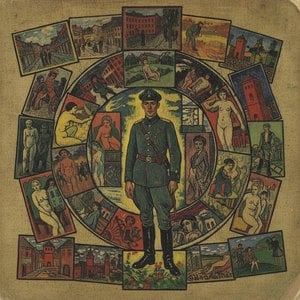
V roce 1905 se Kirchner stal zakládajícím členem *Die Brücke* (“Most”), umělecké skupiny, která měla most mezi tradičními estetickými ideály a více zřetelně emocionálním vyjádřením. Nešlo jen o stylistickou volbu; byla to filozofická pozice. Skupina se snažila najít inspiraci v zdrojích často přehlížených v etablovaném uměleckém světě – primitivní umění z Afriky a Oceánie, odvážné barvy Vincenta van Gogha a znepokojující psychologickou hloubku Eduarda Muncha. Odmítli idealizované reprezentace krásy upřednostňované akademickým malířstvím a místo toho přijali zkreslení, rozporuplné barevné palety a expresivní štětcování k vyjádření obav a odcizení moderního života. Kirchnerovy rané díla, narozené z tohoto spolupráce, pulzovala neklidovou energií, odrážejí společnou snahu skupiny osvobodit se od uměleckých omezení. Ateliér se stal pekcem experimentu, prostorem, kde byly podrobeny pochybám i umělecké konvence. Prozkoumávání lidské formy, zejména ženského nude, v městských a přírodních prostředích se stalo opakující se tématem, které Kirchnerovi umožnilo prozkoumat pohyb, emoce a složitosti moderního existence.
Urban Anxieties and Bold Visions: Defining a Style
Kirchnerův umělecký styl je okamžitě rozpoznatelný svými charakteristickými rysy. Nevyužíval barvy jako prostředek věrné reprezentace, ale jako nástroj k vyvolání emocionálních reakcí – živé, často ne-přirozené odstíny, které zvýrazňovaly pocit znepokojení nebo intenzity v jeho kompozicích. Jeho štětcování byla energická a zjevná, přispívající tak celkovému dojmu okamžitosti a čerstvého emocí. Postavy a objekty byly často zkreslené nebo prodloužené, odrážející subjektivní spíše než objektivní realitu. Nejvýrazněji Kirchner zachytil psychologický dopad moderního městského života v prvním desetiletí 20. století. Malby jako *The Street* (1908) nejsou jen reprezentace městských scén; jsou portréty odcizení, zachycující frenetickou energii a emocionální odpojení rychle se měnícího světa. Nevzdával se zobrazovat temné aspekty modernosti – osamělost, anonymitu, pocit být přemožen celkovou velikostí městského existence. Tento neochvějný pohled ho etabloval jako kronikáře svého času, umělce, který odvážil čelit obavám, které se skrývaly pod povrchem společenského pokroku.
Tragedy and Legacy: A Lasting Impact
Kirchnerův život byl tragicky poznamenán osobními obtížemi. Horory první světové války vyvolaly vážné duševní poruchy, což ho donutilo utéct do Švýcarska ve snaze najít útočiště. Nicméně i v exilu pokračoval v tvorbě, jeho díla odrážela přetrvávající trauma a izolaci, kterou zažil. Vzestup nacismu přinesl další potíže; více než 600 z jeho děl bylo konfiskováno a označeno jako „degenerativní umění“ – devastující zásah, který zdůrazňoval politické klima nepřátelnosti vůči modernímu uměleckému vyjádření. Střet s perzekucemi a poklesem zdraví Kirchner tragicky ukončil svůj život v Davosu ve Švýcarsku v roce 1938. Přestože byl tento tragický konec, Ernst Ludwig Kirchnerův odkaz zůstává hluboce vlivný. Stojí jako klíčová postava německého expresionismu, inspirováající generace umělců svými odvážnými styly, emocionálně bohatými vyobrazeními moderního života a neochvějným závazkem k umělecké pravdě. Jeho díla jsou stále vystavována v předních muzeích po celém světě, slouží jako silný připomínka toho, jak může umění čelit, zpochybňovat a nakonec osvětlit lidské stavy.
- Vliv: Albrecht Dürer, Vincent van Gogh, Edvard Munch, Primitivní umění (afrikánská a oceánská umělecká díla)
- Vliv: Kirchnerův umělecký styl významně ovlivnil pozdější generace expresionistů a moderních umělců. Jeho prozkoumávání psychologických témat a inovativní používání barev a tvarů inspiruje současné umělecké praktiky.



 Náhled
 Přepnout na tisk
 Sdílet
 Sdílet
 Podrobnosti o díle

 Stáhnout
 Podobné položky
 Rentgenové snímky
 Slideshow
 Statistiky

 Zobrazit více






































 Skleněná varianta je dostupná pouze u rozměrů menších než 110 cm