


Ručně malovaná olejná barva na plátně ve vašem zvoleném rozměru i s rámem, vyrobená našimi umělci na zakázku. ( Koupit tisk Koupit obrázek)





























Vyberte si z našich přednastavených velikostí, které odpovídají původním proporcím díla.

Můžete zadat vlastní rozměry pro konkrétní rám nebo prostor. Pokud se vámi vybraná velikost neshoduje s proporcemi původního obrazu, dílo buď ořízneme, nebo jej doplníme ručně malovanými prvky. Před zahájením výroby vám bude zaslán digitální náhled ke schválení.
Upozorňujeme, že náhled na obrazovce neodpovídá skutečnému ořezu ani rozšíření. Pouze digitální náhled přesně zobrazí finální kompozici.
Ačkoliv je možné zvolit vlastní velikost, pro zachování původních proporcí doporučujeme vybrat rozměr z předdefinovaného seznamu.
Celosvětová doprava () za 3–4 týdny namísto standardních 5 týdnů. (6 září). Bez kompromisů v kvalitě.


Street, Berlin
Rozměry reprodukce
Ernst Ludwig Kirchner's “Street, Berlin,” painted in 1913, isn’t merely a depiction of a city street; it’s a visceral plunge into the anxieties and alienation simmering beneath the surface of early 20th-century urban life. This work, now beautifully reproduced on hand-painted canvas by WahooArt.com, captures a moment suspended in time – a chaotic tableau of figures crammed onto a Berlin sidewalk, their faces obscured, their movements hurried, radiating an unsettling sense of urgency and isolation. Kirchner, a pivotal figure in the Expressionist movement, doesn’t aim for realistic representation; instead, he employs distortion, bold color, and jarring lines to convey a psychological state – a feeling of being overwhelmed by the relentless energy and anonymity of the metropolis.
The painting immediately assaults the senses. The palette is dominated by intense reds, blues, blacks, and purples, applied in broad, unblended strokes that create a raw, almost violent effect. These colors aren’t chosen for their beauty but for their ability to evoke unease and tension. Kirchner's masterful use of line further amplifies this feeling. Harsh, angular lines define the figures and their clothing, creating a sense of fragmentation and instability. There is little evidence of curves or flowing forms; instead, sharp angles dominate, mirroring the fractured nature of modern urban experience. The perspective is deliberately flattened, compressing space and contributing to a claustrophobic atmosphere – as if the viewer is being drawn into this swirling mass of humanity.
To understand “Street, Berlin,” it’s crucial to recognize Kirchner's place within the broader context of German Expressionism. Emerging in the early 20th century, this movement sought to express inner emotions rather than objective reality. Kirchner, along with fellow artists like Erich Heckel and Max Pechstein, rejected academic conventions and embraced a more subjective approach to art. His earlier work, influenced by Dürer’s meticulous detail and the vibrant colors of Matisse, gradually shifted towards a darker, more emotionally charged style. The painting reflects this evolution, drawing on elements of Fauvism while simultaneously forging its own distinct voice. Kirchner's personal life also played a significant role; his struggles with mental health and his experiences during World War I undoubtedly informed the work’s underlying sense of anxiety and disillusionment.
Interestingly, Kirchner’s exploration of urban alienation wasn’t entirely divorced from his surroundings. Berlin in 1913 was a city undergoing rapid transformation – a hub of industry, immigration, and social change. The painting captures this dynamism but also hints at the darker side of modernity: the loss of community, the erosion of individual identity, and the pervasive sense of isolation that can accompany urban life. The figures in “Street, Berlin” are not individuals; they’re anonymous cogs in a vast, impersonal machine.
While seemingly straightforward, "Street, Berlin" is rich with symbolic meaning. The obscured faces of the figures suggest anonymity and detachment – each individual lost within the crowd. The arrangement of the figures in a diagonal composition creates a sense of movement and instability, mirroring the chaotic nature of urban life. The use of contrasting colors further emphasizes this tension, as if the very air is thick with unspoken anxieties. Some scholars have interpreted the painting as a commentary on the changing role of women in society during this period, while others see it as a broader reflection on the alienation and fragmentation of modern humanity. Kirchner himself often resisted definitive interpretations, preferring to let the work speak for itself.
WahooArt.com is proud to offer meticulously hand-painted reproductions of “Street, Berlin,” capturing the essence of Kirchner's original vision with unparalleled detail and vibrancy. Unlike digital prints, our reproductions faithfully recreate the texture and brushstrokes of the oil on canvas, transporting you directly into the heart of this powerful work. Whether adorning your living room wall or serving as a striking addition to your art collection, a WahooArt.com reproduction of “Street, Berlin” is more than just a picture; it’s an immersive experience – a poignant reminder of the complexities and contradictions of modern life. Explore our range of sizes and framing options today and bring this iconic masterpiece into your space.


1880 - 1938 , Německo

Explore the raw emotion of German Expressionism through a definitive guide to Ernst Ludwig Kirchner. Discover how his bold colors and distorted forms redefined modern art history, from Berlin street scenes to iconic masterpieces.
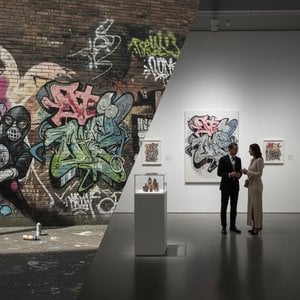
Explore the captivating journey of street art from urban walls to prestigious galleries. Discover how contemporary graffiti has evolved into a high-end collectible movement, redefining modern interior design and global art culture.

Elevate luxury hospitality interiors with the electric energy of street photography. Discover bespoke urban art commissions, from monochrome oil reproductions to large-scale murals, curated for designers seeking impactful architectural statements through expert consultation.
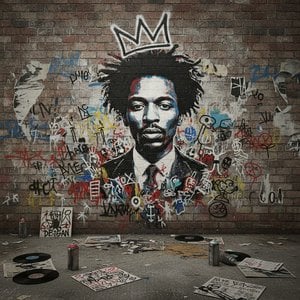
Explore the raw energy of Jean-Michel Basquiat and Neo-Expressionism. Discover how urban rebellion redefined modern art through a lens of luxury, identity, and profound emotional intensity for the discerning collector.

 Náhled
 Sdílet
 Sdílet
 Podrobnosti o díle

 Stáhnout
 Podobné položky
 Rentgenové snímky
 Slideshow

 Zobrazit více







 Skleněná varianta je dostupná pouze u rozměrů menších než 110 cm


