


Koupě vysoce rozlišeného, vylepšeného digitálního obrazu, který je mnohem kvalitnější než online náhled.
Každý soubor je pečlivě připraven našimi odborníky pomocí pokročilých nástrojů a expertní manuální retuše. Zajišťujeme, aby každý obraz disponoval výjimečnou ostrostí, přesnou barevnou věrností a jemnými detaily.
Finální soubor vám bude do 72 hodin zaslán e-mailem, optimalizovaný pro okamžité použití v profesionálním, redakčním i tiskovém prostředí. Nabízíme stejnou kvalitu, které důvěřují špičková designová studia, nakladatelství i galerie.
Stáhněte si soubor ve vysokém rozlišení pro osobní prohlížení, tisk a kreativní projekty. ( Koupit tisk Koupit ručně malovaný obraz)
Když si vyberete WahooArt.com, nezískáváte pouze obrázek – získáváte digitální umělecké dílo s profesionálně vylepšenými detaily, zpracované s precizností a podpořené zárukou za spokojenost. Zde je vše, co vaše objednávka automaticky obsahuje:

Váš digitální obraz ve vysokém rozlišení vám bude zaslán e-mailem do 72 hodin od objednávky – připraven k okamžitému použití.

Vaše umělecké dílo je profesionálně optimalizováno pomocí pokročilých nástrojů umělé inteligence a manuální úpravy, což zajišťuje maximální úroveň detailu, ostrosti a přesnosti barev.

Soubor jste omylem smazali nebo ztratili? Žádný problém – kdykoliv vám ho znovu zašleme zcela zdarma.

Užijte si své umělecké dílo okamžitě bez celních poplatků, daní nebo nákladů na dopravu – digitální stažení je vždy bez daňových povinností.

Pomocí profesionálních nástrojů a správy barev zajišťujeme, aby váš digitální obraz odrážel původní barvy co nejvěrněji.

Pokud nebudete s digitální fotografií spokojeni, provedeme její revizi nebo vám vrátíme 100% během 100 dnů – bez jakýchkoliv dotazů.

Nespokojeni? Získejte plnou částku zpět do 100 dní od přijetí vašeho digitálního souboru – bez jakýchkoliv dotazů.

Koupěte si 3 obrazy, ušetřete 10% - Koupěte si 5, ušetřete 15% - Koupěte si 10+, ušetřete 20%. Ideální pro kreativní projekty, galerie a agentury.

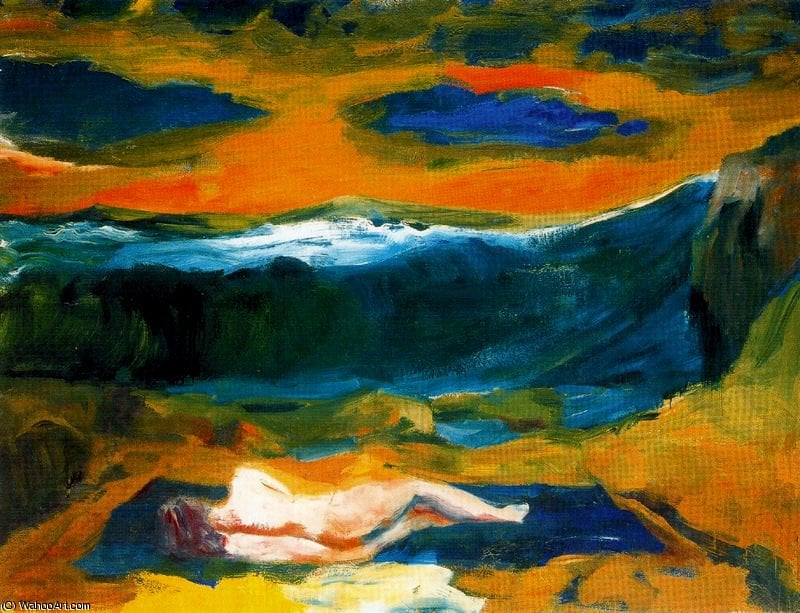
In the vibrant, transformative landscape of the post-World War II American art scene, few voices captured the quiet intimacy of human existence as poignantly as Elmer Bischoff. Born in Berkeley, California, in 1916, Bischoff was a central figure in a movement that redefined the boundaries between abstraction and representation. His journey was one of profound evolution, moving from the sweeping, gestural energy of Abstract Expressionism toward a deeply emotive form of figurative painting. This transition did not represent a retreat from modernism, but rather a sophisticated synthesis—a way to infuse the raw power of abstract brushwork with the soulful weight of the human figure and domestic space.
Bischoff’s early life and education laid the foundation for his disciplined yet expressive approach. Growing up in Berkeley as the son of German and Swedish-Ecuadoran heritage, he entered the University of California, Berkeley, in 1934. It was during these formative years that he encountered the influential teacher Margaret Peterson, whose unwavering dedication to the ethical value of art left an indelible mark on his creative conscience. However, the trajectory of his life was irrevocably altered by the onset of global conflict. Serving as a lieutenant colonel in the intelligence services near Oxford, England, between 1941 and 1945, Bischoff experienced a world in upheaval, an experience that would later inform the contemplative and often melancholic stillness found in his mature works.
Upon returning to San Francisco after the war, Bischoff found himself immersed in an era of unprecedented artistic ebullience. The city had become a crucible for avant-garde experimentation, where he rubbed shoulders with titans such as Mark Rothko and Clyfford Still. This period was marked by a fascination with scale, color, and the visceral nature of paint. Yet, alongside his contemporaries David Park and Richard Diebenkorn, Bischoff began to lead a quiet revolution known as the Bay Area Figurative Movement. This movement sought to reclaim the subject matter of the world—the light hitting a window, the silhouette of a person, the geometry of a room—while retaining the vigorous, painterly language of abstraction.
His work during this era is characterized by a unique sense of atmosphere and light. Unlike the aggressive energy of New York School abstraction, Bischoff’s paintings often possess a lyrical, almost dreamlike quality. He mastered the art of using light to sculpt space, creating scenes that feel both physically present and emotionally distant. His compositions frequently feature:
As his career progressed, Bischoff’s recognition grew alongside his technical refinement. His election as an associate member of the National Academy of Design in 1973, followed by full membership in 1985, stands as a testament to his enduring impact on American art. His ability to bridge the gap between the chaotic energy of post-war abstraction and the timeless tradition of figurative storytelling allowed him to create a body of work that remains profoundly relatable to modern audiences.
Today, the legacy of Elmer Bischoff is preserved not only in prestigious collections like the Oakland Museum of California but also in the way we perceive the intersection of light and life. He taught us that the most profound truths are often found in the quietest moments—in the way a shadow falls across a room or the stillness of a figure lost in thought. His contribution to the American canon remains a vital chapter in the history of 20th-century painting, reminding us that even in an age of abstraction, the human spirit remains the ultimate subject.

1916 - 1991 , United States of America

 Náhled
 Sdílet
 Sdílet
 Podrobnosti o díle

 Stáhnout
 Podobné položky
 Rentgenové snímky
 Slideshow
 Zobrazit více


