BEZPLATNÉ UMĚLECKÉ PORADENSTVÍ
x
Acrylic On Paper
Other
Baroque Art
1663
210.0 x 162.0 cm
Walker Art GalleryRučně malovaná olejná barva na plátně ve vašem zvoleném rozměru i s rámem, vyrobená našimi umělci na zakázku.
Vyberte si z našich přednastavených velikostí, které odpovídají původním proporcím díla.
Můžete zadat vlastní rozměry pro konkrétní rám nebo prostor. Pokud se vámi vybraná velikost neshoduje s proporcemi původního obrazu, dílo buď ořízneme, nebo jej doplníme ručně malovanými prvky. Před zahájením výroby vám bude zaslán digitální náhled ke schválení.
Upozorňujeme, že náhled na obrazovce neodpovídá skutečnému ořezu ani rozšíření. Pouze digitální náhled přesně zobrazí finální kompozici.
Ačkoliv je možné zvolit vlastní velikost, pro zachování původních proporcí doporučujeme vybrat rozměr z předdefinovaného seznamu.
Celosvětová doprava () za 3–4 týdny namísto standardních 5 týdnů. (1 červenec). Bez kompromisů v kvalitě.
Study
Rozměry reprodukce
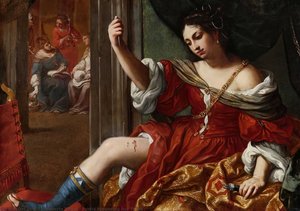
Within the hallowed halls of the Walker Art Gallery in Liverpool resides a deceptively simple yet profoundly moving work – Elisabetta Sirani's "Study," executed in 1663. More than just a preparatory sketch, it is a miniature world brimming with tenderness, quiet observation, and an exquisite understanding of human connection. The drawing, rendered primarily in delicate shades of brown and beige using charcoal on paper, immediately draws the eye with its intimate scale – measuring a modest 210 x 162 centimeters – inviting viewers to step into a private, almost sacred space.
Sirani’s genius lies not in grand gestures or dramatic displays, but rather in her ability to capture fleeting moments of genuine emotion. The composition centers on a young woman, presumably the artist's sister, gently lifting the sleeve of a child – likely her own son, Giovanni Andrea – revealing his small hand. This simple act, frozen in charcoal, speaks volumes about familial love and the quiet intimacy of domestic life. The pose is remarkably naturalistic; Sirani eschews overly stylized figures, opting instead for a directness that feels utterly honest and unpretentious.
“Study” exemplifies the hallmarks of Baroque art while simultaneously forging its own distinctive path. Sirani’s technique is characterized by an economy of line – she employs minimal outlining, relying instead on subtle tonal variations to define form and create a sense of volume. The use of *grisaille*, a monochrome drawing technique using shades of gray, allows her to focus entirely on capturing the essence of the subject without distraction from color. The paper itself is laid down, adding texture and visual interest to the composition.
Noticeably absent are any elaborate details or decorative flourishes typical of some Baroque works. Instead, Sirani’s strength lies in her masterful control of light and shadow – a technique known as *chiaroscuro* – which imbues the scene with a palpable sense of depth and atmosphere. The soft, diffused lighting suggests an interior setting, perhaps a room bathed in natural light, further enhancing the feeling of intimacy.
To fully appreciate “Study,” it’s crucial to understand its historical context. Elisabetta Sirani emerged as one of the first women artists to achieve significant recognition in early modern Bologna – a city renowned for its vibrant artistic community and patronage system. Despite facing considerable societal obstacles, she established herself as a respected painter, producing both commissioned works and independent studies. “Study” offers a rare glimpse into her working methods and artistic philosophy.
The drawing’s creation coincided with a period of intense artistic innovation in Bologna, influenced by the legacy of Guido Reni and the prevailing trends of the Baroque style. However, Sirani's approach was distinctly her own – characterized by a refined sensibility and an unwavering commitment to capturing the emotional truth of her subjects. It is believed that this drawing served as a study for a larger allegorical composition, likely commissioned by Prince Leopoldo de’ Medici in Florence, highlighting the virtues associated with his family’s rule.
“Study” transcends its technical merits to become a poignant meditation on human connection. The simple act of a mother tending to her child is rendered with such sensitivity and grace that it resonates deeply with viewers across centuries. Sirani's ability to distill complex emotions into a single, carefully observed drawing speaks to the enduring power of art to illuminate the beauty and fragility of everyday life.
Today, reproductions of “Study” are readily available through platforms like WahooArt.com, offering art enthusiasts the opportunity to bring this exquisite work into their homes and offices. It’s a testament to Sirani's skill that her drawing continues to captivate audiences with its quiet dignity and profound emotional resonance – a timeless reminder of the simple joys of family and the enduring power of observation.
1638 - 1665 , Itálie
Sdělte nám více o svém projektu a naši odborníci na umění vám připraví 3 personalizované návrhy uměleckých děl.
Nechť pro vás vybereme 3 možnosti – zdarma!