Život a dílo El Lissitzky
Muž, který se měl proslavit pod jménem El Lissitzky, se narodil 23. listopadu 1890 jako Lazar Markovič Lisickij v tichém světě tradic v Počinku. Tato malá židovská komunita ležela přibližně 50 kilometrů na jihovýchod od Smolenska v Ruském impériu. Jeho otec, Mordukh Zalmanovič Lisickij, byl člověkem literatury i cest, vzdělaným agentem, který se pohyboval světem s naprostou jistotou v angličtině i němčině. Tato jazyková šíře a rodinné vazby na širší evropskou krajinu by v konečném důsledku odrazily expansivní a neklidnou energii samotného umělce. Ať už byl nazýván Elizar Lissitzky nebo Lasar Markowitsch Lissitzky, byl to člověk nesmírné rozmanitosti, který odmítal nechat se uzavřít do jediného média či jediného účelu.
Jeho tvůrčí činnost byla něčím nesmírně rozsáhlým a neustále se pohybujícím. Byl malířem i ilustratorem, ale působil také jako designér, grafik i fotograf. Jeho mysl se neustále ubírala k těm strukturním aspektům, což ho vedlo do sféry architektury a k precizním nárokům typografie. Byl mužem nové éry, ruským i sovětským umělcem, který se snažil vybudovat něco hmatatelného z abstraktních ideí své doby. Jeho život byl neustálým pohybem mezi rolí intelektuálního průzkumníka a praktického řemeslníka, což je dualita, která definovala jeho mnohaletý přínos k vizuálnímu jazyku dvacátého století.
Raný život, rodina a vzdělání
Základy jeho života byly položeny v malé ruské vesnici Počinok, avšak jeho raná léta byla poznamenána neustálým pohybem. Mezi lety 1891 a 1898 žila jeho rodina ve Vitebsku, místě, které mu později ovlivnilo chápání kulturní identity. Do roku 1899 se přestěhoval do Smolenska, aby žil se svým dědictem, kde navštěvoval městskou školu č. 1. Právě během těchto formativních let se jeho vrozený talent poprvé setkal s formálním vedením; ve třenácti letech začal pobývat pod vedením Jurije Pena, učitele, který v mladém studentovi rozpoznal mimořádný potenciál.
Ambice se však často střetávají s odporem rigidních systémů. V roce 1909 se pokusil o přijetí na Petrohradskou akademii výtvarných umění, ale jeho žádost byla zamítnuta. Toto odmítnutí bylo pravděpodobně důsledkem restriktivních židovských kvót, které vymezoval carský režim, což byla překážka, která jeho cestu odvrátila od tradičních ruských akademií. Místo aby se však pod tíží tohoto neúspěchu vzdal, obrátil svůj pohled k Německu. Zapsal se na Polytechnický institut v Darmstadtu, aby studoval stavební inženýrství, disciplínu, která mu navždy dodala strukturální logiku do jeho pozdějších vizuálních experimentů. Strávil zde pět let, pracoval jako zedník, aby se uživil, a během prázdnin navštěvoval místní židovská historická místa, kde studoval jejich tvary a dekorace.
Jeho čas v Německu byl definován akademickou přísností a hlubokým zapojením do fyzikálního světa. Nestudoval pouze teorii; zcela se ponořil do praktických aspektů stavitelství a designu. Tato éra intenzivního tréninku skončila v roce 1914, kdy absolvoval Darmstadtský polytechnikum s vynikajícím výsledkem. Do Ruska se vrátil nejen jako student umění, ale jako vycvičený inženýr, s přesným pochopením prostoru a struktury, které v budoucnu zcela přehodnotí hranice moderního designu.
Suprematistické období a UNovis
Trajektorie jeho tvůrčího života se zásadně změnila v momentě, kdy se setkal s umělcem jménem Kazimir Malevich. Toto setkání ho vtáhlo do orbity suprematismu, hnutí, které se snažilo zbavit umění veškeré reprezentativní zátěže. V roce 1919 dorazilo pozvání od Marc Chagall, který ho požádal, aby se připojil k pedagogickému sboru Vitebské lidové umělecké školy. Právě v tomto vzdělávacím prostředí se stal členem suprematistické skupiny UNovis, známé také jako Afirmanti nového umění. El Lissitzky však jen tak neposlouchal zavedené cesty svých vrstevníků; místo toho se snažil rozšířit samotné hranice toho, čeho mohou tyto geometrické tvary dosáhnout.
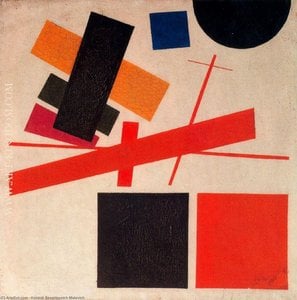
Začal vyvíjet odlišnou sérii děl, které nazval Proun – termín odvozený z ruské fráze proyekt utverzhdenya novogo, což znamená projekt pro afirmativní potvrzení nového. Nešlo o prosté malby, ale spíše o hluboká zkoumání toho, jak spolu mohou interagovat prostor a forma. Své první dílo typu Proun vytvořil již v roce 1919, což znamenalo začátek éry, v níž propojoval principy grafického umění s architektonickým myšlením. Jeho tvorba v těchto letech se vzdalovala od plochých płachet čisté abstrakce směrem k komplexnějšímu, třírozměrnému chápání světa.
Konstruktivismus a společenské zapojení
Do roku 1920 se El Lissitzky posunul od čistě spirituálních úvah svých raných let směrem k strukturované, cílené energii konstruktivismu. Snažil se proměnit umělce ze samotného snilce v aktivního agenta proměn, koncept, který chápal jako das zielbewußte Schaffen, neboli cílenou tvorbu. Toto přesvědčení ho vtáhlo do samotného srdce sovětského vzdělávacího systému, kde vyučoval na technické škole Vkhutemas spolu s Vladimírem Tatlinem. Zde se středobod pozornosti přesunul k otázce, jak může umění fungovat v rámci moderní, průmyslové společnosti, a vystoupil z rámce plátna do sféry praktické, společenské užitečnosti.
Jeho tvorba se hluboce proplela s politickým pulsem tehdejší éry. Velkou část své energie věnoval navrhování výstavních expozic a propagandistickým dílům, která měla komunikovat ideály nového státu. V jednom výrazném případě vytvořil v roce 1941 plakát, jenž vyzýval lidi k budování dalších tanků v boji proti nacistickému Německu. I v jeho dřívějších, abstraktnějších kompozicích byl politický podtext často zcela zřejmý. Jeho dílo z roku 1920, Porazit bílé červeným klínem, využilo ostré geometrické tvary k reakci na napětí tehdejší doby a nabídlo vizuální hru s antisemitickým sloganem ve prospěch revolučního hnutí.
- Porazit bílé červeným klínem (1920)
- Sovětský propagandistický plakát pro výrobu tanků (1941)
Technika a styl
Tvůrčí rukopis El Lissitzkyho se pohyboval na hraně mezi precizností inženýra a intuicí malíře. Neustále usiloval o překlenutí propasti mezi fyzikálním světem a čistou abstrakcí, často zkoumal, jak se technologie a lidská zkušenost mohou proplétat skrze vizuální formu. Tento pokus o syntézu byl nejvíce patrný v jeho dílech série Proun, která fungovala jako komplexní fúze grafického umění, architektonických forem, fotografie a malby. Tyto kompozice nebyly pouhými statickými obrazy, ale hlubokými výzkumy prostoru a struktury. K dosažení svých vizuálních efektů často využíval litografii, techniku, která mu umožnila vytvářet odolné tisky a širokou škálu tónových variací, jež svým geometrickým tvarům dodávaly pocit hloubky a váhy.
Jeho přístup k designu byl definován neustálým experimentováním s výrobními technikami a stylistickými prostředky, které v konečném důsledku formovaly vizuální jazyk 20. století. Do typografie, knižního designu a fotomontáže vnesl ostrý, inovativní pohled a stal se tištěnou stránku prostorem pro architektonickou konstrukci. I když se plně oddal radikální geometrii avantgardy, jeho tvorba zůstávala tichým odrazem jeho kořenů; do svých moderních kompozicí umělizelem vplétal prvky tradiční židovské typografie, umění a architektury. Tento propojování starobylého s průmyslovým mu umožnilo navigovat v napětí mezi kulturní pamětí a neúprosným tempem rychle se měnící společnosti.
Mezinárodní činnost a kulturní výměna
Hranice ruské avantgardy nemohly udržet v klidu jeho neklidnou duši. Mezi lety 1921 a 1925 putoval samotným srdcem Evropy, když procházel Paříží, Belgií, Itáliou i Švýcarskem. Během těchto let na cizozemí působil jako kulturní ambasadór Weimarské republiky, který do západní Evropy nesl radikální myšlenky své domoviny. Tyto cizí krajiny pouze pozoroval; on je aktivně formoval skrze svůj vizuální diskurz, přispíváním do uměleckých časopisů a vydáváním knih, které zpochybňovaly tradiční způsoby vidění světa. Jeho přítomnost v těchto intelektuálních centrech zajistila, že energie revoluce byla cítit daleko za hranicami Sovětského svazu.
Jeho působení v Berlíně bylo obzvláště významné. V roce 1922 navrhl výstavu konstruktivistů v Galerii van Diemen, což byl ambiciózní projekt, který představil strukturální logiku jeho hnutí novému publiku. Toto období intenzivní výměny bylo charakterizováno spoluprájí, která překlenula různé umělecké kruhy. V roce 1924 spolupracoval s Kurtem Schwittesem na periodiku Merz, což bylo partnerství, které spojilo odlišné přístupy k grafickému designu a kompozici. Díky těmto spojení začal jeho vliv cestovat ještě dál. Setkání s Lászlem Moholy-Nagyem se ukázalo jako zásadní, neboť Moholy-Nagy pomohl šířit jeho koncepty po celé západní Evropě až do Spojených států, čímž zajistil, že jeho myšlenky zapustí kořeny v rostoucím západním modernismu.
Poslední roky a smrt
Poslední roky života, které prožil El Lissitzky, byly poznamenány těžkými stíny globálního konfliktu i osobní křehkostí. Zatímco se svět propadal do chaosu války, jeho pozornost zůstávala pevně spjata s sociálními a politickými realitami jeho doby. I když jeho zdraví začalo selhávat, pokračoval v tvorbě děl, která reagovala na naléhavé potřeby státu. V roce 1941 vytvořil sovětský propagandistický plakát vyzývající k výstavbě dalších tanků pro boj proti nacistické invazi do Ruska. Tento poslední nápadný čin odrážel jeho neochvějné oddanost praktickému využití umění, i když samotné struktury společnosti, které se snažil přetvářet, byly nyní ohroženy válkou.
Boj s nemocí nakonec zvítězil. El Lissitzky zemřel na tuberkulózu v Moskvě 30. prosince 1941. V době své smrti bylo mu 51 let. Jeho odchod nastal krátce po invazi do jeho vlasti, v období obrovských otřesů, které se shodovalo s ukončením jeho tvůrčí činnosti. Zanechal po sobě odkaz designu a abstrakce, který již překročil mnoho hranic, ale jeho vlastní život byl náhle přerušen střetem biologických a historických sil.
Odkaz a trvalý vliv
Vlny jeho tvůrčí energie zasáhly daleko za hranice Sovětského svazu a dotkly se samotných základů školy Bauhaus i konstruktivistických hnutí. El Lissitzky nemal pouze obrazy; on přetvářel způsob, jakým lidé interagují s prostorem kolem sebe a s poselstvími, která konzumují. Jeho experimenty s typografií a reklamou transformovaly způsob, jakým byla organizována informace, a proměnily tištěnou stránku v dynamické pole sil. Díky svým výstavním návrhům naučil diváky, že prostředí může být strukturovaným zážitkem, nikoliv pouhou statickou místností plnou objektů.
Tato vize umění jako nástroje pro sociální a vizuální transformaci neustále formuje náš dnešní chápání komunikace. Jeho schopnost překlenout propast mezi abstraktním a funkčním zanechala vzor pro celé generace designérů. Aby byla tato historie zachována v její plné kráse, byla v roce 2014 založena Nadace El Lissitzky, na které se podíleli dědicové umělce, muzeum Van Abbemuseum a řada odborníků. Tento úsilí uchovává jeho komplexní historii a zajišťuje, že jeho zkoumání formy a prostoru zůstane přístupné všem, kteří studují evoluci moderního designu.
Kde dnes spatřit jeho díla
Fyzické stopy jeho vizionářské tvorby jsou rozptýleny napříč mnoha kontinenty, uchovávány v institucích, které se snažily zachovat radikální energii počátku dvacátého století. V Lisabonu si Museu Coleção Berardo udržuje významnou reprezentaci jeho tvorby, kde je uloženo šest jeho děl. Na druhém břehu Atlantiku nabízejí sbírky v New Yorku dva odlišné způsoby, jak se setkat s jeho odkazem; Museum of Modern Art uchovává dvě díla, zatímco The Jewish Museum obsahuje pět dalších. Tato díla umožňují divákovi sledovat evoluci jeho grafického a abstraktního jazyka v kontextu významných mezinárodních sbírek.
Jeho vliv zůstává pevně zakotven i v Evropě a Rusku. Museum Folkwang v Essenu uchovává jedno jeho dílo, které slouží jako tichá připomínka jeho působení v německé umělecké krajině. V Rusku je jeho přítomnost patrná v Taganrog Art Museum a Novokuznetsk Art Museum, kde jsou uchovávány jeho zásadní příspěvky k avangardě. Tyto různé archivy zajišťují, že jeho experimenty s prostorem a formou budou i nadále studovány těmi, kteří sledují historii moderního designu.


 Náhled v interiéru
 Sdílet
 Sdílet
 Podrobnosti o díle
 Průvodce

 Stáhnout
 Podobné položky
 Rentgenové snímky
 Slideshow
 Otázky a odpovědi
 Statistiky


 Zobrazit více
 Přepnout na tisk





































 Skleněná varianta je dostupná pouze u rozměrů menších než 110 cm