
BEZPLATNÉ UMĚLECKÉ PORADENSTVÍ


x
 Objednat reprodukci Koupit digitální obrázek
 Sdílet
 Podrobnosti
 Přidat do oblíbených
 Stáhnout
 Podobné položky
 Rentgenové snímky
 Slideshow
Giclée nebo plátěný tisk muzeální kvality s rychlou výrobou a flexibilními možnostmi povrchové úpravy.





























Vyberte si z našich přednastavených velikostí, které odpovídají původním proporcím díla.

Můžete zadat vlastní rozměry tak, aby výtvor odpovídal konkrétnímu rámu nebo prostoru. Pokud zvolená velikost nebude odpovídat poměru stran původního obrazu, dílo buď ořížeme, nebo obraz rozšíříme pomocí zrcadlového efektu či jednobarevného okraje. Před zahájením výroby vám bude zaslán digitální náhled k schválení.
Mějte prosím na paměti, že náhled na obrazovce neodráží skutečné oříznutí nebo rozšíření. Pouze digitální náhled přesně zobrazí finální kompozici.
Ačkoliv jsou k dispozici i vlastní rozměry, pro zachování původních proporcí doporučujeme vybrat si rozměr z předdefinovaného seznamu.
Celosvětové doručení () do 2 týdnů namísto standardních 4/5 týdnů. (2 červenec)


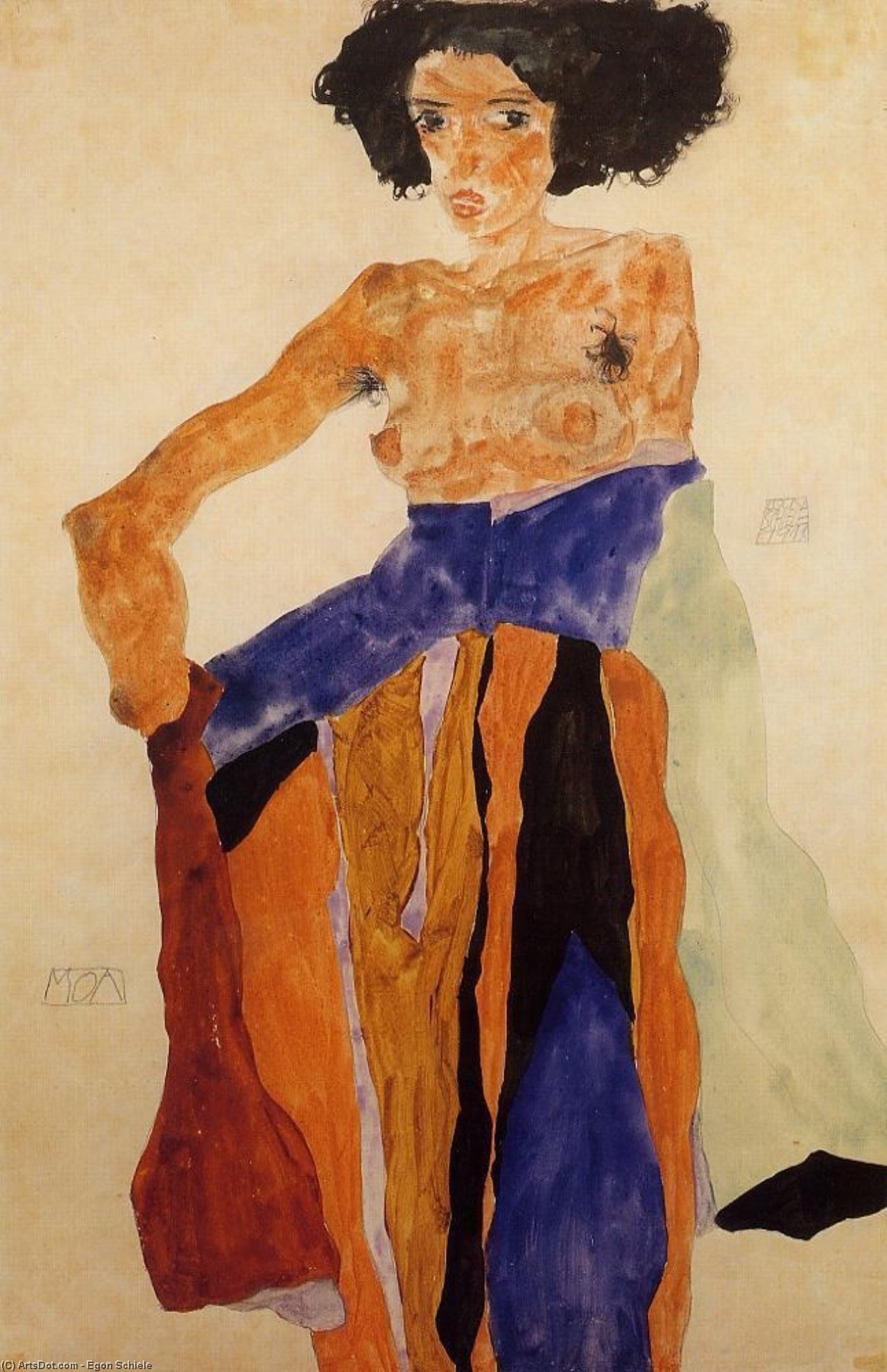
Moa
Rozměry reprodukce
Egon Schiele’s “Moa,” painted in 1911, is not merely a depiction of a woman; it’s an intensely personal and profoundly unsettling meditation on vulnerability, loss, and the human condition. Created during a pivotal period in Schiele's tragically short career – he died at just 28 – the painting embodies the raw emotional intensity that would come to define his oeuvre. The subject, a young woman with her arms crossed in a posture of quiet contemplation, immediately draws the viewer into a space of palpable sadness. Her downward gaze and subtly downturned mouth suggest a deep introspection, perhaps even despair, reflecting the pervasive anxieties of the era.
Beyond the immediate portrait, “Moa” is laden with symbolic weight. The umbrella, positioned near the center-left, could represent protection against an overwhelming emotional storm or perhaps a futile attempt to shield oneself from sorrow. The presence of two indistinct figures in the background – partially obscured and seemingly detached – adds another layer of complexity, suggesting themes of loneliness, alienation, and the difficulty of genuine connection. Schiele frequently explored themes of death and decay within his work, likely influenced by the personal tragedies he experienced and the broader anxieties surrounding mortality prevalent at the time. The painting’s creation coincided with a period of significant social and political upheaval in Europe, further contributing to a sense of unease and uncertainty.
Painted in 1911, “Moa” reflects the artistic ferment of Vienna at the turn of the century. The city was a hub for avant-garde movements, including Expressionism, Secessionism, and Cubism, all seeking to challenge traditional artistic conventions. Schiele’s work, though initially met with criticism, quickly gained recognition for its unflinching honesty and emotional power. His exploration of themes such as sexuality, mortality, and the human psyche continues to resonate with viewers today. As a key figure in early 20th-century art, Schiele's influence extends far beyond his own lifetime, inspiring generations of artists who sought to capture the complexities of the human experience through bold and uncompromising vision. This hand-painted reproduction offers a unique opportunity to possess a piece of this pivotal moment in art history.


1890 - 1918 , Rakousko

Explore the rich history of the blue dress in Western art! Discover its symbolism, from Renaissance masterpieces to modern interpretations by artists like Martin & Schiele. Uncover cultural meanings and artistic techniques.
Prozkoumejte 10 ikonických děl expresionismu od Muncha, van Gogha a dalších. Objevte příběhy umělců, techniky a emoce v obrazech. Reprodukce obrazů nejvyšší kvality na WahooArt.com – inspirace pro váš interiér! Prohlédněte si celou kolekci online.

Objevte 10 legendárních akrylových maleb na papíře, které změnily svět umění! Prozkoumejte příběhy slavných malířů a ikonické obrazy moderního a současného umění. Reprodukce obrazů pro váš interiér – WahooArt.cz

Explore the emotionally charged world of Egon Schiele (1890-1918). Discover his Expressionist masterpieces, psychological themes, and lasting impact on modern art. A comprehensive guide for collectors & enthusiasts.

Prozkoumejte 25 ikonických děl Marka Rothka, mistra abstraktního expresionismu. Objevte příběhy za jeho barevnými plátny a emoce v umění. Reprodukce obrazů nejvyšší kvality na WahooArt.com.


Buďte na tahu s nejnovějšími novinkami ze světa umění, exkluzivními nabídkami a inspirativními nápady na dekoraci.
Sdělte nám více o svém projektu a naši odborníci na umění vám připraví 3 personalizované návrhy uměleckých děl.
Nechť pro vás vybereme 3 možnosti – zdarma!

 Sdílet


 Zobrazit více







 Skleněná varianta je dostupná pouze u rozměrů menších než 110 cm


