
BEZPLATNÉ UMĚLECKÉ PORADENSTVÍ


x


 Koupit tisk Koupit digitální obrázek
 Sdílet
 Details
 Přidat do oblíbených
 Stáhnout
 Podobné položky
 X-Ray
X-Ray
 Slideshow
Ručně malovaná olejná barva na plátně ve vašem zvoleném rozměru i s rámem, vyrobená našimi umělci na zakázku.





























Vyberte si z našich přednastavených velikostí, které odpovídají původním proporcím díla.

Můžete zadat vlastní rozměry pro konkrétní rám nebo prostor. Pokud se vámi vybraná velikost neshoduje s proporcemi původního obrazu, dílo buď ořízneme, nebo jej doplníme ručně malovanými prvky. Před zahájením výroby vám bude zaslán digitální náhled ke schválení.
Upozorňujeme, že náhled na obrazovce neodpovídá skutečnému ořezu ani rozšíření. Pouze digitální náhled přesně zobrazí finální kompozici.
Ačkoliv je možné zvolit vlastní velikost, pro zachování původních proporcí doporučujeme vybrat rozměr z předdefinovaného seznamu.
Celosvětová doprava () za 3–4 týdny namísto standardních 5 týdnů. (1 červenec). Bez kompromisů v kvalitě.


Double Self Portrait
Rozměry reprodukce
Egon Schiele’s “Double Self Portrait,” painted in 1915 during a tumultuous period of his life, is not merely a depiction of two men; it's a raw, unsettling exploration of identity, vulnerability, and the fraught relationship between self and other. Created amidst the burgeoning Expressionist movement in Vienna, this watercolor on paper offers a glimpse into the artist’s intensely personal world – a world grappling with mortality, sexuality, and the psychological complexities of the early 20th century.
The image immediately confronts the viewer with an arresting intimacy: one man leans forward, his face pressed against the other in a gesture both tender and profoundly unsettling. This physical closeness, coupled with the direct gaze of the figure dominating the composition, establishes an immediate connection – yet simultaneously hints at a disturbing undercurrent. The positioning, with the second figure inverted and seemingly lost in contemplation, creates a sense of disorientation and imbalance, mirroring perhaps Schiele’s own internal struggles.
Schiele's masterful use of watercolor is central to the painting’s impact. He employs loose, gestural brushstrokes, layering washes of color with an almost frantic energy. The palette is dominated by earthy tones – ochres, browns, and muted greens – punctuated by flashes of crimson and violet, contributing to a mood of both melancholy and suppressed passion. Lines are not clean or precise; instead, they’re jagged, angular, and often distorted, reflecting the emotional turbulence at play. This deliberate disregard for traditional perspective and realistic representation is characteristic of Expressionism, prioritizing the conveyance of feeling over objective depiction.
The composition itself is deliberately unbalanced. The larger figure commands attention, yet the smaller, inverted one feels almost secondary, trapped within its own internal world. Schiele’s signature elongated limbs and subtly exaggerated features – particularly in the face of the dominant male – contribute to a sense of unease and psychological intensity. Notice how the lines converge towards the central figures, drawing the viewer's eye into their shared space, while simultaneously creating a feeling of claustrophobia.
To understand “Double Self Portrait,” it’s crucial to consider the context in which it was created. 1915 marked a period of immense upheaval for Europe, shadowed by the looming threat of World War I. Schiele's own life was fraught with personal tragedy and emotional turmoil. His father had succumbed to syphilis years earlier, leaving a legacy of illness and instability within his family. This early loss profoundly shaped Schiele’s artistic vision, fueling an obsession with themes of death, decay, and the fragility of human existence – motifs powerfully evident in this work.
The painting can be interpreted as a meditation on duality—the artist's struggle to reconcile his own desires and vulnerabilities with societal expectations. The inverted figure could represent the suppressed or marginalized aspects of Schiele’s personality, while the dominant presence embodies a striving for control and recognition. Schiele was known for his intensely personal self-portraits, often exploring themes of sexuality and mortality with unflinching honesty – qualities that made him both celebrated and controversial during his lifetime.
Beyond its formal elements, “Double Self Portrait” is rich in symbolic meaning. The embrace itself can be read as a gesture of intimacy and support, yet it’s also tinged with an underlying sense of vulnerability and dependence. The act of facing the viewer directly suggests a desire for connection, but the unsettling positioning of the second figure hints at a deeper psychological complexity. The painting's overall effect is one of profound emotional resonance – a haunting portrayal of human longing, anxiety, and the enduring struggle to understand oneself.
WahooArt offers meticulously crafted hand-painted reproductions of “Double Self Portrait,” allowing you to experience Schiele’s masterful technique and evocative imagery in stunning detail. Each reproduction is created by skilled artists using archival quality materials, ensuring that this powerful work of art will be treasured for generations to come.


1890 - 1918 , Rakousko
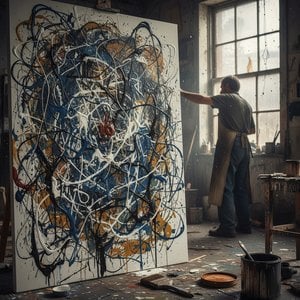
Explore the revolutionary art of Jackson Pollock & Abstract Expressionism. Discover his iconic drip paintings, lasting impact, and considerations for collecting this pivotal American artist. Expert insights at WahooArt.
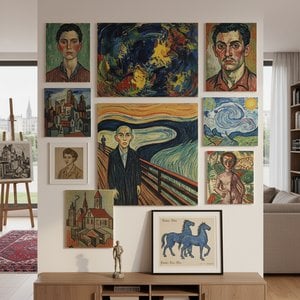
Prozkoumejte 10 ikonických děl expresionismu od Muncha, van Gogha a dalších. Objevte příběhy umělců, techniky a emoce v obrazech. Reprodukce obrazů nejvyšší kvality na WahooArt.com – inspirace pro váš interiér! Prohlédněte si celou kolekci online.
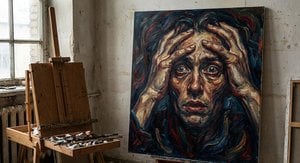
Explore the powerful world of Figurative Expressionism with WahooArt. Discover key artists like Kirchner & Beckmann, understand its emotional depth, and learn how to collect this influential 20th-century art movement.

Explore the fascinating artistic journey of Lovis Corinth, a pivotal figure bridging Impressionism & Expressionism. Discover his evolution, key works, and lasting impact on modern art with WahooArt.

Explore the captivating world of introspective art! Discover how artists across eras – from Rembrandt to Kahlo – used self-portraiture to reveal their inner worlds and emotional depths. A journey through art history & psychology.


Buďte na tahu s nejnovějšími novinkami ze světa umění, exkluzivními nabídkami a inspirativními nápady na dekoraci.
Sdělte nám více o svém projektu a naši odborníci na umění vám připraví 3 personalizované návrhy uměleckých děl.
Nechť pro vás vybereme 3 možnosti – zdarma!
 Sdílet









 Více informací
 Skleněná varianta je dostupná pouze u rozměrů menších než 110 cm


