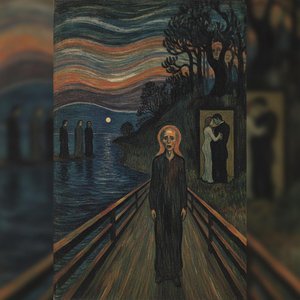
A Life Forged in Expression
Egon Schiele, narozený v roce 1890 v malebném městečku Tulln an der Donau u Vídně, vedl život plný dramatických zvratů – jeho existence byla spjata jak s mimořádným uměleckým zrakem, tak s hlubokými osobními utrpeními. Jeho rané roky byly ovlivňovány nemocemi a ztrátami; jeho otec podlehl při 14 letech syndromu Krigera (progresivní paralýza), což otřáslo jeho duší a inspirovalo ho k zkoumání témat úmrtí a křehkosti existence. V prvních letech života byl vychováván jeho matkou a poté pod dohledem jeho strážce, Leopolda Czihaceka, což mu poskytlo určitou nezávislost, ale zároveň i chybějící stabilitu. Už v dětství projevoval intenzivní zájem o vlaky – motiv, který se později objevoval ve svých dílech – a talent pro kreslení, byť byl tento jeho zájem původně potlačován otcem, který ho viděl jako odklon od praktičtějších úmyslů. Zvláštní význam měla i smrt jeho sestry Eliry, která zanechala hluboké rány v jeho psychice. Tyto rané zkušenosti formovaly jeho citlivost a emocionální upřímnost, které se staly charakteristickými rysy jeho uměleckého projevu – neustálá konfrontace s životem, smrtí a lidským bytím.
The Crucible of Vienna: Artistic Development
Schieleho formální umělecké vzdělání začalo na Kunstgewerbeschule (Škole umění a řemesel) ve Vídni, ale brzy se cítil stísněný jejími konzervativními tradicemi. Přestoupil na Akademie der bildenden Künste (Viedeňskou akademii výtvarných umění), jen aby byl znovu zklamaný jejími rigidními akademickými konvencemi. Tato nespokojenost ho vedla k tomu, že formální vzdělání opustil a zvolil vlastní cestu – důkazem jeho neochvějné umělecké víry. Klíčovým vlivem v těchto raných letech byl Gustav Klimt; Schiele obdivoval Klimtův dekorativní styl a zkoumání symboliky, dokonce získal vedení od tohoto uznávaného umělce. Postupně se však od Klimta odlišil, vyvinul si vlastní, výrazný hlas charakterizovaný upřímností a psychologickou intenzitou. Spolu s dalšími progresivními umělci založil v roce 1909 Neues Wiener Kunstgruppe (Nové vídeňské umělecké skupiny), spojil se s jinými umělci, kteří zpochybňovali tehné umělecké normy. Jeho rané díla – často znepokojivé portréty a autorretráty – představovala silné prohlášení o emocionálním chaosu, vyznačující se zkreslenými postavami a hmatatelným pocitem zranitelnosti. Tyto malby nebyly pouhými reprezentacemi fyzického tvaru, ale prozkoumáváním vnitřního světa – úzkostí, touhou a strachy, které pronáslídkovaly lidské bytí. Snažil se zobrazit ne to, co *viděl*, ale to, co *cítil*.
Raw Emotion and Unflinching Truth
Umělecké dílo Egona Schiele je okamžitě rozpoznatelné pro svou upřímnost a psychologickou hloubku. Bez obav se setkával s tématy často považovanými za tabu – sexualita, smrt, úzkost, izolace – s neochvějným pohledem. Jeho charakteristický styl zahrnuje prodlužované postavy, zkroucené postoje a expresivní linie, které vyjadřují pocit nepohody a emocionální intenzitu. Lidský tvar, zejména nahota, stal se jeho hlavním motivem – ne jako objekt idealizované krásy, ale jako nositel prozkoumávání složitostí lidského zážitku. Autorretráty tvoří významnou část jeho tvorby, nabízející intimní pohledy do jeho vnitřního světa – svět často poznamenaný osamělostí a sebepochybem. Nebojil se zobrazit sám sebe v nepříjemných nebo zranitelných pózách, odhalujíc hlubokou úroveň seběznosti a introspekce. Kromě autoritrátů Schiele vytvářel portréty i jiných lidí, zachycující jejich podobnosti s znepokojivou realitou, která se zdála pronikat pod povrch. Jeho krajiny, i když nejsou tak důležité jako jeho figurální malby, demonstrují jeho mistrovství tvaru a barvy, často odrážející stejnou emocionální intenzitu jako jeho portréty. Použití linky je zvláště působivé v Schieleho díle; není to pouhý nástroj pro definování tvaru, ale expresivní síla, která vyjadřuje emoce a psychologickou napětí. Opakující se motivy, jako například *Physalis* (fylloxera) – symbol smrti a přelomu s jeho jemným, papírovým slupkou – dále zdůrazňují tuto obavu o smrtelnost.
Major Achievements and Historical Significance
Přestože čelil cenzuře a právním problémům – včetně krátkého vězení za údajné zvrácení dětí svými díly – Schiele získal uznání v avantgardních kruhy Vídeňě. Jeho dílo zpochybnilo konvence doby, vyvolalo jak obdiv, tak odpor. V době své náhlé smrti během španělské chřipky v roce 1918 ve věku dvacetiletého roku si však upevnil pozici jednoho z předních představitelů rakouského expresionismu. Důležité díla, jako například *Self-Portrait with Physalis*, *Couple Embracing* a *Field Landscape (Kreuzberg near Krumau)* jsou svědectvími jeho uměleckého génia. Jeho vliv na další generace umělců je nezpochybnitelný, zejména těch, kteří se zajímali o prozkoumávání psychologických témat a zpochybňování konvenčních uměleckých norem. Schieleho odvážný přístup k tvaru a motivům stále rezonuje s publikem dnes, což z něj činí jednoho z nejdůležitějších a nejvlivnějších postav v raném 20. století. Jeho malby jsou nyní vystaveny ve významných muzejních sbírkách po celém světě, včetně Leopold Museumu ve Vídni a Egon Schiele Art Centra v Českom Krumlově, zajišťujících tak trvalé umělecké dědictví. Nechal za sebou dílo, které není jen esteticky působivé, ale hluboce lidské – důkazem síly umění konfrontovat složitosti existence s upřímností, odvahou a neochvějnou vizí.
- Key Themes: Mortality, sexuality, isolation, psychological turmoil.
- Influences: Gustav Klimt, Viennese Secession, personal trauma.
- Style Characteristics: Elongated figures, contorted poses, expressive lines, raw emotion.



 Zobrazit v interiéru
 Objednat ručně malovanou reprodukci
 Odeslat
 Sdílet
 Podrobnosti
 Průvodce

 Stáhnout obrázek
 Podobné kousky
 Rentgenové snímky
 Slideshow
 Statistiky

 Přečíst si více






































 Skleněná varianta je dostupná pouze u rozměrů menších než 110 cm