BEZPLATNÉ UMĚLECKÉ PORADENSTVÍ

x
Koupit tisk Koupit tiskObjednat reprodukci Objednat reprodukci SdíletSdílet
PodrobnostiPodrobnosti Přidat do oblíbených Přidat do oblíbených StáhnoutStáhnout Podobné položkyPodobné položky Rentgenové snímkyRentgenové snímky SlideshowSlideshow

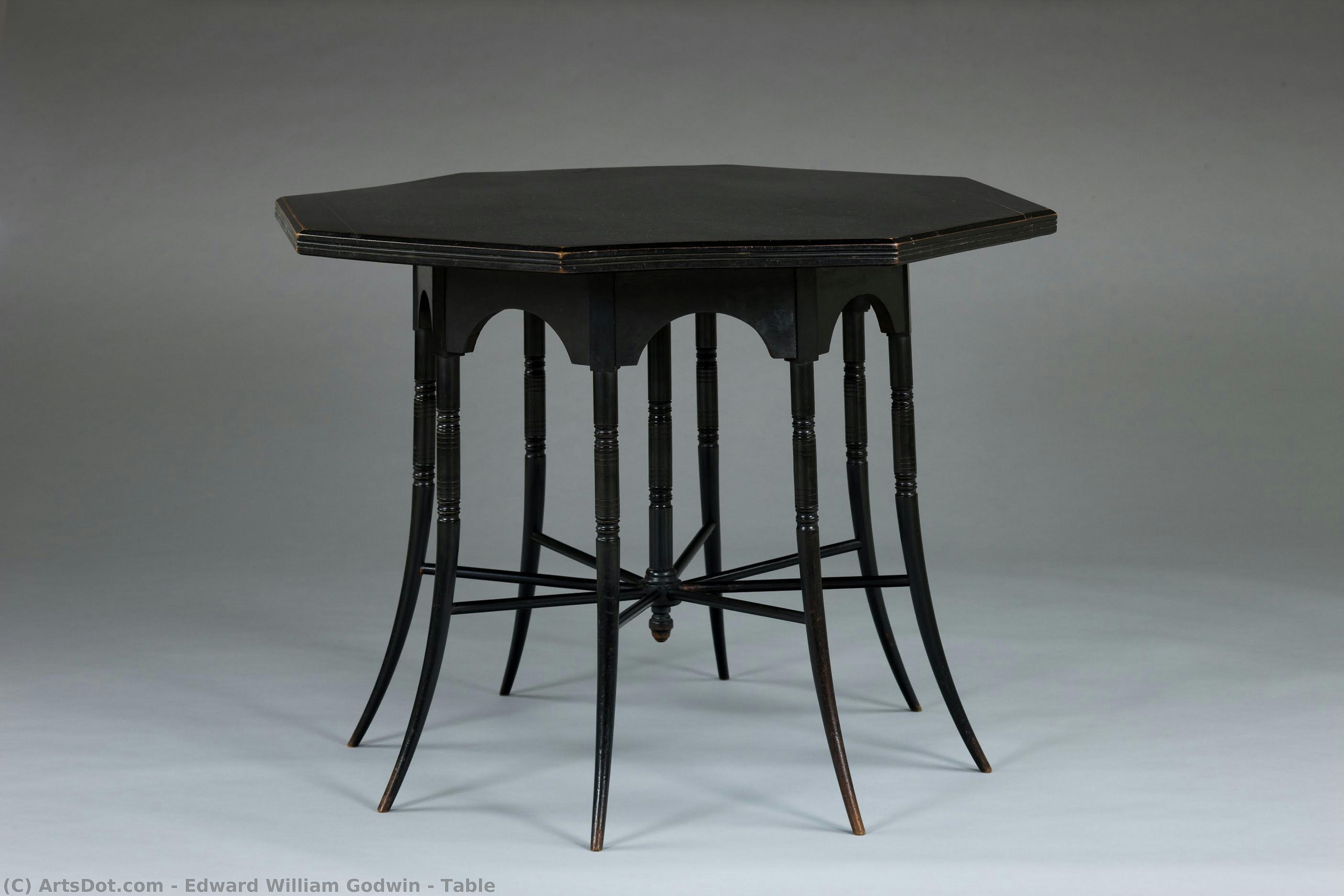
Table

Edward William Godwin (1833-1886): Britský architekt & návrhář. Přinesl estetismus, japonský styl a viktoriánskou estetiku do designu, ovlivnil Arts and Crafts hnutí. Známý inovativním nábytkem a divadelními dekoracemi.

Koupě vysoce rozlišeného, vylepšeného digitálního obrazu, který je mnohem kvalitnější než online náhled.

Každý soubor je pečlivě připraven našimi odborníky pomocí pokročilých nástrojů a expertní manuální retuše. Zajišťujeme, aby každý obraz disponoval výjimečnou ostrostí, přesnou barevnou věrností a jemnými detaily.

Finální soubor vám bude do 72 hodin zaslán e-mailem, optimalizovaný pro okamžité použití v profesionálním, redakčním i tiskovém prostředí. Nabízíme stejnou kvalitu, které důvěřují špičková designová studia, nakladatelství i galerie.

Digitální obrazy

Stáhněte si soubor ve vysokém rozlišení pro osobní prohlížení, tisk a kreativní projekty.

Celková cena

$9.99

Součást každé objednávky digitálního obrazu

Profesionální digitální doručení, zaručeno.

Když si vyberete WahooArt.com, nezískáváte pouze obrázek – získáváte digitální umělecké dílo s profesionálně vylepšenými detaily, zpracované s precizností a podpořené zárukou za spokojenost. Zde je vše, co vaše objednávka automaticky obsahuje:

shipping_icon
Rychlé doručení e-mailem

Váš digitální obraz ve vysokém rozlišení vám bude zaslán e-mailem do 72 hodin od objednávky – připraven k okamžitému použití.

canvas_icon
Digitální soubor s využitím AI

Vaše umělecké dílo je profesionálně optimalizováno pomocí pokročilých nástrojů umělé inteligence a manuální úpravy, což zajišťuje maximální úroveň detailu, ostrosti a přesnosti barev.

insurance_icon
Bezplatné doživotní znovuodeslání

Soubor jste omylem smazali nebo ztratili? Žádný problém – kdykoliv vám ho znovu zašleme zcela zdarma.

tax_icon
Bez poplatků za dovoz – navždy

Užijte si své umělecké dílo okamžitě bez celních poplatků, daní nebo nákladů na dopravu – digitální stažení je vždy bez daňových povinností.

color_icon
Záruka přesnosti barev

Pomocí profesionálních nástrojů a správy barev zajišťujeme, aby váš digitální obraz odrážel původní barvy co nejvěrněji.

return_icon
60denní záruka spokojenosti

Pokud nebudete s digitální fotografií spokojeni, provedeme její revizi nebo vám vrátíme 100% během 60 dnů – bez jakýchkoliv dotazů.

guarantee_icon
100% záruka vrácení peněz

Nespokojeni? Získejte plnou částku zpět do 60 dní od přijetí vašeho digitálního souboru – bez jakýchkoliv dotazů.

discount_icon
Slevy při hromadných objednávkách

Koupěte si 3 obrazy, ušetřete 10% - Koupěte si 5, ušetřete 15% - Koupěte si 10+, ušetřete 20%. Ideální pro kreativní projekty, galerie a agentury.

Podobná umělecká díla


Biografie umělce

Edward William Godwin (1833 - 1886): Pioneering English Architect & Furniture Designer

Edward William Godwin, born in Bristol in 1833, was a remarkably forward-thinking English architect and designer whose career spanned a period of intense stylistic transition. He wasn’t merely a participant in the Victorian aesthetic landscape; he actively shaped it, moving from the heavily ornamented “Ruskinian Gothic” favored in mid-Victorian Britain to embrace the burgeoning “Anglo-Japanese taste” that characterized the Aesthetic Movement. Godwin's influence resonates even today, subtly woven into the fabric of the Arts and Crafts movement which followed closely on his heels. His early successes included significant public commissions like the Guildhall in Northampton – a testament to his initial mastery of Ruskinian principles – and the Town Hall in Congleton, alongside restorative work at Dromore Castle in Limerick and Castle Ashby. These projects demonstrated a skill for reviving historical forms, but they were merely stepping stones towards a more radical vision. Godwin’s architectural training was largely self-directed, beginning with an apprenticeship to an engineer in Bristol before relocating to London around 1862 where he encountered the influential Gothic Revival designer William Burges. This encounter sparked a lifelong fascination with medieval costume, furniture and architecture, fueling his antiquarian interests. Godwin's formative years were marked by a profound engagement with Victorian intellectual currents. Raised in a family of social climbers—his father, a thriving leather merchant—he experienced the stimulating environment of Bristol’s burgeoning port city, where he absorbed influences from Oriental art and design. This early exposure would prove pivotal to his artistic development, shaping his aesthetic sensibilities and informing his lifelong pursuit of stylistic innovation. His formal education at Exton School in Highbury instilled in him a disciplined approach to learning—a characteristic that would serve him well throughout his architectural career.
  • Early Career & Architectural Training: Godwin’s apprenticeship under William Armstrong honed his technical skills and provided invaluable experience in designing ecclesiastical buildings, establishing Northampton Town Hall and Congleton Town Hall as early landmarks of Ruskinian Gothic style.
  • The Burges Encounter & Gothic Revival Inspiration: His encounter with William Burges ignited a lifelong passion for medieval architecture and costume, profoundly influencing Godwin’s artistic vision and shaping his stylistic preferences.
Godwin's personal life was as dynamic and unconventional as his artistic pursuits. Widowed in 1865 after the untimely death of Sarah Yonge, he embarked on a significant relationship with the celebrated actress Ellen Terry between 1868 and 1874. This period witnessed Terry’s dramatic retreat from the stage to reside with Godwin in Hertfordshire—a union that produced two children: Edith Craig (1869-1947) and Edward Gordon Craig (1872–1966)—the latter becoming a towering figure in early 20th-century European theatre as an actor, designer, director, and theorist. The influence of Terry extended beyond companionship; she encouraged Godwin to explore new artistic horizons—particularly in theatrical design—a natural outgrowth of his fascination with historical dress and dramatic presentation.
  • Relationships & Family Life: Godwin’s marriage to Beatrice Birnie Philip brought him a supportive partner who shared his passion for design and fostered a harmonious domestic environment.
Godwin's artistic trajectory took its most decisive turn in 1862 when he moved to London—a city brimming with intellectual ferment and artistic ambition. There, he encountered William Burges, whose Gothic Revival style captivated Godwin’s imagination and fueled his lifelong fascination with medieval architecture and costume. This encounter proved transformative, propelling him toward a more daring stylistic experimentation that would define his Aesthetic Movement endeavors. He began designing furniture for Dromore Castle and Glenbegh Towers in Ireland—a project undertaken alongside Burges—demonstrating his ability to synthesize disparate influences into cohesive artistic expressions.
  • London & Collaboration with Burges: Godwin’s association with Burges fostered a shared appreciation for Gothic Revival aesthetics, shaping his stylistic preferences and inspiring him to pursue innovative design solutions.
Godwin's embrace of Japanese art marked a pivotal moment in his artistic evolution. Recognizing the transformative potential of Eastern influences—particularly the aesthetic principles embodied in Japan—he actively sought inspiration from Far Eastern decorative arts. He meticulously studied Japanese prints, furniture designs, and spatial arrangements—a practice that would inform his groundbreaking work on Bedford Park—the first garden suburb in Britain. Godwin’s pioneering efforts to integrate Japanese aesthetics into Western design were celebrated by contemporaries like Oscar Wilde—who hailed him as “one of the most artistic spirits of this century”—solidifying Godwin's position as a visionary leader within the Aesthetic Movement. His distinctive style, characterized by elegant simplicity and refined craftsmanship—particularly evident in his furniture designs for Liberty & Co.—became synonymous with the ideals of progressive design.
  • Japanese Influence & Bedford Park: Godwin’s fascination with Japanese aesthetics profoundly impacted his architectural vision and contributed to the creation of Bedford Park—a pioneering garden suburb that embodies his commitment to harmonious spatial arrangements and understated elegance.
Godwin's legacy extends far beyond his individual creations—spanning iconic buildings like Whistler’s White House and celebrated collaborations with fellow artists—James McNeill Whistler, and Beatrice Birnie Philip. His unwavering belief in the power of art to elevate human experience—expressed eloquently by Oscar Wilde—continues to resonate today as a testament to Godwin's enduring influence on modern design sensibilities. He died October 6, 1886, in London, leaving behind a body of work that embodies the spirit of innovation and artistic vision—a legacy that secures his place among the most influential figures of Victorian Britain. Edward William Godwin (1833 – 1886): Pioneering English Architect & Furniture Designer
Edward William Godwin

Edward William Godwin

1939 - 1886 , Velká Británie

Stručné informace

  • Artistic Movement Or Style: Anglo-Japanese
  • Artists Or Movements Influenced By This Artist: ['Arts and Crafts Movement']
  • Artists Who Influenced This Artist: ['William Burges']
  • Date Of Birth: 1833
  • Date Of Death: 1886
  • Full Name: Edward William Godwin
  • Nationality: British
  • Notable Artworks:
    • Guildhall, Northampton
    • Town Hall, Congleton
  • Place Of Birth: Bristol, UK