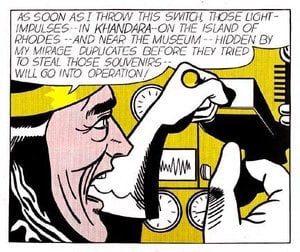
Raný život a vzdělání Edwarda Ruschy
Edward Joseph Ruscha IV se narodil 16. prosince 1937 v Omaze, Nebraska, v katolické rodině. Již od útlého věku projevoval zájem o umění, zejména kreslení karikatur, které podporovala jeho matka. V roce 1956 se Ruscha přestěhoval do Los Angeles a studoval na Chouinard Art Institute (nyní CalArts) v letech 1956–1960 pod vedením Roberta Irwina a Emersona Woelffera. Během studia spoluvydával časopis *Orb*, který byl předchůdcem alternativních novin. Tato zkušenost mu poskytla platformu pro experimentování s vizuální komunikací a formami uměleckého projevu mimo tradiční rámec. Jeho raná tvorba byla ovlivněna atmosférou Los Angeles, která se stala nedílnou součástí jeho budoucího uměleckého stylu.
Umělecký vývoj a inspirace
Ruscha započal svou uměleckou cestu na počátku 60. let, což ho zařadilo do skupiny Ferus Gallery v Los Angeles. Jeho tvorba byla formována rozmanitými umělci, včetně Jaspera Johnse, Johna McLaughlina, H.C. Westermanna, Arthura Dovea, Alvina Lustiga a Marcela Duchampa. Zejména dílo Edwarda Hoppera, konkrétně obraz *Gas* (1940), rezonovalo s jeho rozvíjejícím se stylem. Hopperova schopnost zachytit osamělost a melancholii americké krajiny inspirovala Ruschu k prozkoumávání vizuálního jazyka komerce a každodenního života v Americe. Jeho raná díla odrážela fascinaci reklamou, architekturou benzinových pump a estetickou hodnotou obyčejných předmětů.
Klíčová témata a styl
Ruscha je proslulý začleňováním textu a frází do svých obrazů, často prezentovaných v plochém, neokázalém stylu. Často zobrazoval běžné motivy, jako jsou benzinové stanice, motely a krajiny jižní Kalifornie. Jeho fotografické knihy, například *Every Building on the Sunset Strip* (1966), jsou ikonickými příklady jeho konceptuálního přístupu k umění. Klíčovým tématem v Ruschově tvorbě je zkoumání hovorové řeči a vizuální kultury Los Angeles. Jeho práce se vyznačuje odstupem, ironií a snahou o zachycení podstaty americké identity prostřednictvím zdánlivě banálních objektů a scén. Používá typografii jako umělecký prvek, který zpochybňuje tradiční hierarchii mezi obrazem a textem.
Hlavní úspěchy a významná díla
Mezi jeho nejznámější díla patří:
- Standard Station (1966): Kvintesenciální reprezentace americké silniční architektury, která se stala symbolem popkultury.
- Large Trademark (1962): Raný příklad jeho obrazů založených na slovech a logech, které zkoumají sílu značek v moderní společnosti.
- Hollywood (1982): Odraz ikonické imagery Los Angeles, který se zabývá tématy slávy, iluze a povrchnosti.
- Every Building on the Sunset Strip (1966): Průkopnická fotografická kniha dokumentující úsek bulváru Sunset Boulevard, která představuje radikální přístup k umělecké dokumentaci a konceptuálnímu myšlení.
Ruscha se nebál experimentovat s různými médii, včetně malby, fotografie, kresby a sochy. Jeho práce zpochybňovala tradiční představy o umění a rozšířila hranice vizuálního projevu.
Historický význam a odkaz
Ruscha je považován za klíčovou postavu v hnutí Pop Art, i když jeho styl často přesahuje snadnou kategorizaci. Jeho vliv se rozprostírá na současné umělce pracující s jazykem, fotografií a konceptuálním uměním. Pomohl etablovat Los Angeles jako významné centrum pro uměleckou inovaci během 60. let. Ruscha žije a pracuje v Culver City v Kalifornii a zůstává aktivní a vlivnou silou ve světě umění. Jeho díla jsou součástí prestižních sbírek po celém světě a inspirují nové generace umělců k zkoumání vizuální kultury, jazyka a identity americké společnosti.



 Náhled v interiéru
 Koupit ručně malovaný obraz
 Sdílet
 Sdílet
 Podrobnosti o díle
 Průvodce

 Stáhnout
 Podobné položky
 Rentgenové snímky
 Slideshow
 Statistiky
 Zobrazit více






































 Skleněná varianta je dostupná pouze u rozměrů menších než 110 cm