


Ručně malovaná olejná barva na plátně ve vašem zvoleném rozměru i s rámem, vyrobená našimi umělci na zakázku. ( Koupit tisk Koupit obrázek)





























Vyberte si z našich přednastavených velikostí, které odpovídají původním proporcím díla.

Můžete zadat vlastní rozměry pro konkrétní rám nebo prostor. Pokud se vámi vybraná velikost neshoduje s proporcemi původního obrazu, dílo buď ořízneme, nebo jej doplníme ručně malovanými prvky. Před zahájením výroby vám bude zaslán digitální náhled ke schválení.
Upozorňujeme, že náhled na obrazovce neodpovídá skutečnému ořezu ani rozšíření. Pouze digitální náhled přesně zobrazí finální kompozici.
Ačkoliv je možné zvolit vlastní velikost, pro zachování původních proporcí doporučujeme vybrat rozměr z předdefinovaného seznamu.
Celosvětová doprava () za 3–4 týdny namísto standardních 5 týdnů. (6 září). Bez kompromisů v kvalitě.


Ženy na závodech
Rozměry reprodukce
Édouard Manet’s “Women at the Races,” completed in 1865, stands as a pivotal work within Impressionism and a daring challenge to academic conventions. More than just a depiction of a sporting event, it's a carefully constructed tableau capturing the spirit of Belle Époque Paris—a society grappling with rapid social change and embracing new artistic sensibilities.
The painting’s immediate impact stemmed from its unconventional subject matter: women observing horse racing was considered scandalous at the time. Traditionally, artists focused on mythological or historical narratives; Manet bravely turned his gaze toward everyday life, specifically to the leisure activities of affluent Parisian ladies. This decision wasn't merely stylistic—it reflected a broader artistic movement that sought to represent the world as it truly appeared, rather than idealizing it.
Manet’s technique is instantly recognizable. He employs loose brushstrokes and vibrant colors—primarily yellows, blues, and reds—to convey movement and atmosphere. Unlike the smooth blending favored by academic painters, Manet’s palette is deliberately fragmented, creating a sense of immediacy and capturing the fleeting impressions of light and color on the racetrack.
Let's delve into some key elements that contribute to the painting's significance. The three women are dressed in opulent gowns—one adorned with a striking blue bow—demonstrating the fashionable attire of the era. Their poses are relaxed yet subtly expressive, hinting at their engagement with the spectacle unfolding before them. Notably, one woman holds an umbrella, symbolizing protection from the sun and perhaps representing femininity itself. The horses in the background add to the dynamism of the scene, reinforcing the feeling of excitement and movement.
Furthermore, Manet’s masterful use of light is crucial. He employs a diffused daylight illumination that eliminates harsh shadows, creating a luminous effect characteristic of Impressionism. This technique emphasizes textures and colors, allowing viewers to experience the atmosphere of the racecourse as if they were actually present.
“Women at the Races” resides in Cincinnati Art Museum, where it continues to fascinate audiences with its innovative approach to painting and its enduring portrayal of Parisian society. Its influence extends beyond Impressionism, inspiring subsequent artists to explore new perspectives on contemporary life.


1832 - 1883 , Francie

Explore the ethereal beauty of Impressionist landscapes. Discover how masters like Monet captured fleeting light through color and texture, and learn to curate these timeless, luminous masterpieces for your home collection.
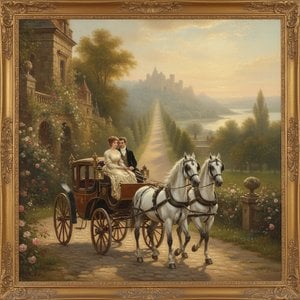
Embark on a visual journey through the romantic world of horse carriage art. Discover the mastery of equestrian oil paintings, from Impressionist textures to classical realism, and learn how to bring timeless elegance into your home with museum-quality reproductions.

 Náhled
 Sdílet
 Sdílet
 Podrobnosti o díle

 Stáhnout
 Podobné položky
 Rentgenové snímky
 Slideshow

 Zobrazit více







 Skleněná varianta je dostupná pouze u rozměrů menších než 110 cm


