BEZPLATNÉ UMĚLECKÉ PORADENSTVÍ

x
Objednat reprodukci Objednat reprodukciKoupit digitální obrázek Koupit digitální obrázek SdíletSdílet
Podrobnosti o dílePodrobnosti o díle Přidat do oblíbených Přidat do oblíbených StáhnoutStáhnout Podobné položkyPodobné položky Rentgenové snímkyRentgenové snímky SlideshowSlideshow

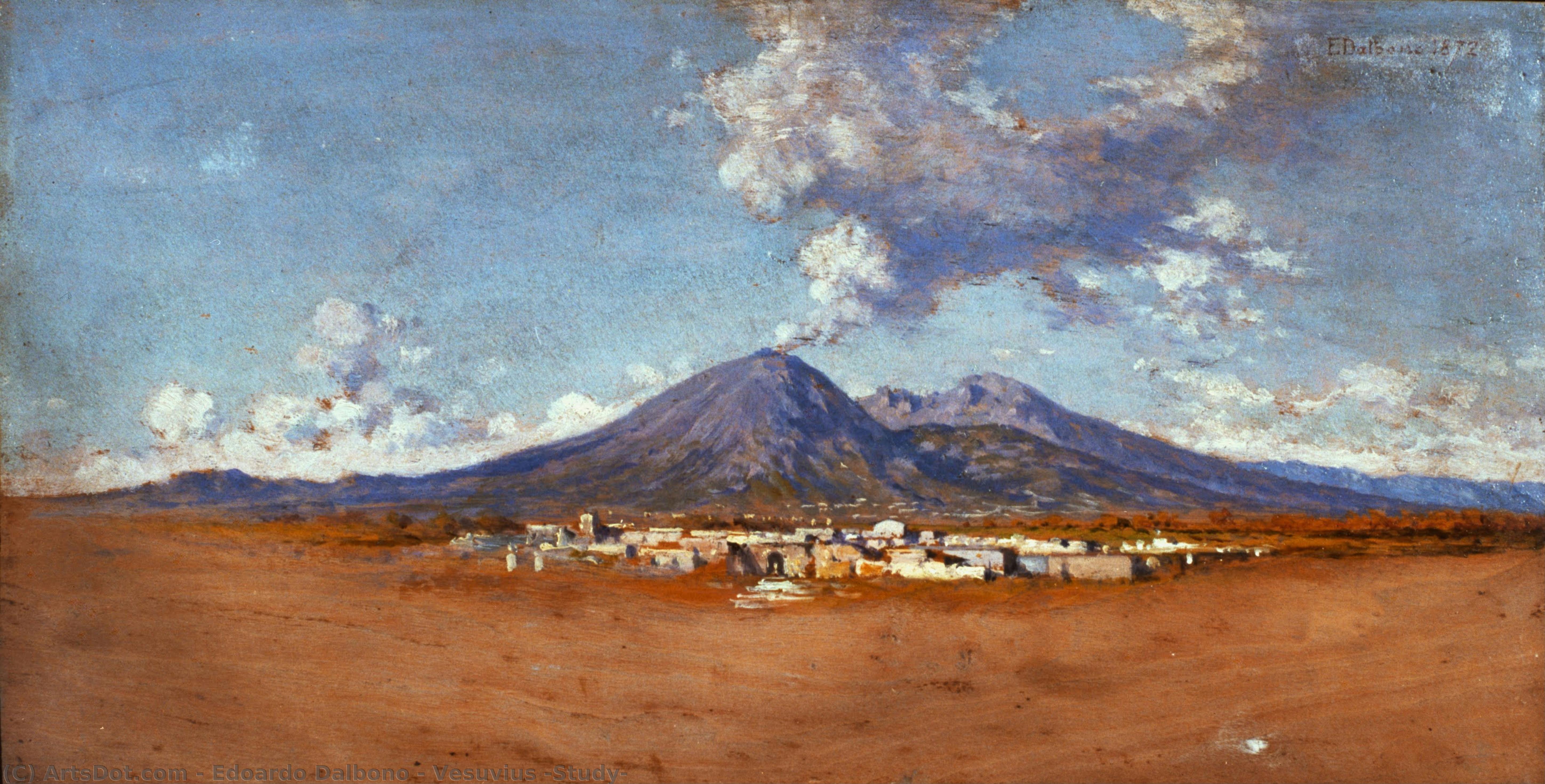
Vesuvius (Study)

Discover Edoardo Dalbono, a renowned Italian painter of the 19th century, known for his luminous landscapes and evocative scenes of Naples. Explore his artistic legacy and influence in Italian art history.

Giclée / Umělecký tisk

Giclée nebo plátěný tisk muzeální kvality s rychlou výrobou a flexibilními možnostmi povrchové úpravy.

Standard
custom
CM
INCH

Vyberte si z našich přednastavených velikostí, které odpovídají původním proporcím díla.

šířka
výška

Můžete zadat vlastní rozměry tak, aby výtvor odpovídal konkrétnímu rámu nebo prostoru. Pokud zvolená velikost nebude odpovídat poměru stran původního obrazu, dílo buď ořížeme, nebo obraz rozšíříme pomocí zrcadlového efektu či jednobarevného okraje. Před zahájením výroby vám bude zaslán digitální náhled k schválení.
Mějte prosím na paměti, že náhled na obrazovce neodráží skutečné oříznutí nebo rozšíření. Pouze digitální náhled přesně zobrazí finální kompozici.
Ačkoliv jsou k dispozici i vlastní rozměry, pro zachování původních proporcí doporučujeme vybrat si rozměr z předdefinovaného seznamu.

Celosvětové doručení () do 2 týdnů namísto standardních 4/5 týdnů. (21 červenec)

why_choose_icon
Zdarma celosvětová expresní doprava
why_choose_icon
Vysoce kvalitní lněné plátno
why_choose_icon
Kompletní přepravní pojištění
why_choose_icon
Záruka vrácení celního poplatku
why_choose_icon
Záruka přesného barevného shodu
why_choose_icon
60denní lhůta pro vrácení zboží (pouze při vadách výroby)
why_choose_icon
100% garance vrácení peněz
why_choose_icon
Sleva při hromadné objednávce

Celková cena

-

reproduction

Vesuvius (Study)

Giclée / Umělecký tisk

Rozměry reprodukce

-

Celková cena za výběr

-

Popis sběratelského kousku

This work can be identified as one of the nine Studies shown at the Seconda Esposizione Nazionale di Belle Arti dell’Accademia di Brera, in Milan, in 1872. It depicts Vesuvius during an eruption, most probably the one of 26 April 1872. This striking natural event drew many artists to the slopes of the volcano and particularly painters from the Resina School: Marco De Gregorio, Giuseppe De Nittis and Federico Rossano. In conceiving the works exhibited in Milan, Dalbono – who came into contact with the Resina School in those same years through Nicola Palizzi, in whose studio he trained – was very likely inspired by that successful series of over sixty small panels executed by De Nittis, between 1871 and 1872, depicting Vesuvius in many different light conditions, adopting an a macchia (patchy) handling and vivid colours in unusual compositions (some of these works are in the Galleria d’Arte Moderna, Milan). These were the years in which De Nittis had to leave Paris because of the Franco-Prussian War and in Resina (today Herculaneum) he strengthened his bonds of friendship and artistic ties. Dalbono belonged to this circle so much so that, a few years later, he could count on De Nittis’s help to enter the Paris market. It is therefore likely that the two of them may have worked side by side on studies from life of Vesuvius on more than one occasion. This is a subject also present in other examples of coeval landscape painting by Dalbono, for instance On the Slopes of Vesuvius (Milan, Galleria d’Arte Moderna). Unlike De Nittis in his panels, Dalbono prefers a traditional perspective, marked by the line of the horizon separating the cone of the volcano from the landscape below, while he returns to applying the paint directly to the panel without priming. In the upper portion of the painting the dense cloud of smoke from the eruption is described with rapid yet precise brushstrokes that allow the support to be glimpsed at various points, and the image is dominated by the bright blue sky, while the lower portion of the panel is left completely bare. However, the work does not appear to be unfinished, since this device makes the impression truly convincing, and also suggests the desolate plain surrounding the volcano.

Biografie umělce

Eduardo Dalbono: Luminosity and Naples

Edoardo Dalbono (10 December 1841 – 23 August 1915) was an Italian painter born in Naples, a city that profoundly shaped his artistic vision. His legacy resides primarily in the luminous landscapes he created—particularly those depicting the Bay of Naples and its surrounding hills—and in evocative scenes capturing the spirit of Neapolitan life during the late Romantic era.

Born into a family steeped in intellectual pursuits – his father was a writer and art critic, and his mother a poet – Dalbono’s formative years were marked by exposure to artistic discourse. He enrolled at the Royal Institute of Fine Arts in Naples in 1853 but quickly abandoned formal training for the mentorship of Nicola Palizzi, establishing himself within the influential Scuola di Resina movement.

This school championed a revolutionary approach to painting, prioritizing direct observation of nature and employing *macchie*—patches of color—to convey emotion and atmosphere. Dalbono embraced this method wholeheartedly, rejecting academic conventions in favor of capturing the immediacy of experience. His artistic journey was fueled by an unwavering fascination with the natural world, particularly the dramatic vistas of Mount Vesuvius.

Dalbono’s prolific output included numerous landscapes, portraits, and genre scenes that offer a glimpse into the social fabric of Naples during his time. He gained recognition for his skill in portraying light and color—characteristics that define his distinctive style. His works are celebrated for their sensitivity to detail and their ability to evoke profound emotional responses.

Among Dalbono’s notable achievements were awards at prestigious exhibitions, including the silver medal at the Mostra di Belle Arti in Naples in 1859 and the bronze medal at the Vienna International Exhibition of 1873. He also established himself as a respected teacher at the Naples Academy, nurturing the talents of future artists like Carlo Brancaccio.

His artistic explorations extended beyond Neapolitan landscapes; he spent considerable time in Paris during the 1870s and 1880s, collaborating with fellow artist Giuseppe De Nittis and gaining access to the vibrant Parisian art scene. This period solidified his commitment to capturing the beauty of nature and experimenting with innovative techniques.

Dalbono’s artistic influence can be discerned in the works of subsequent generations of Italian painters who adopted his luminous palette and expressive brushwork. He remains a pivotal figure in Neapolitan art history, embodying the spirit of Romantic idealism and demonstrating the transformative power of observation.

Rychlé fakta

  • Artistic Movement Or Style: Scuola di Resina
  • Artists Or Movements Influenced By This Artist: ['Tuscany']
  • Artists Who Influenced This Artist: ['Nicola Palizzi']
  • Date Of Death: August 23, 1915
  • Full Name: Eduardo Dalbono
  • Nationality: Italian
  • Notable Artworks:
    • La leggenda delle Sirene
    • Adelina and Eleonora
    • Vesuvius (Study)
  • Place Of Birth: Naples