


Umělecké dílo zobrazené na této stránce je chráněno autorským zákonem, což znamená, že nemůžeme legálně vytvářet ani prodávat jeho identickou reprodukci. Tato ochrana je vymáhána na základě mezinárodních dohod, jako například Berberská úmluva a národními zákony, včetně těch stanovených v Americký autorský zákon – Díl 17. Všechna práva vyhrazena.
Tato metoda je plně v souladu s autorským právem, protože nezahrnuje kopírování ani duplikování chráněného díla. Jde o kreativní reinterpretaci – nový obraz, který je inspirován originálem, ale není s ním identický.
Giclée nebo plátěný tisk muzeální kvality s rychlou výrobou a širokou nabídkou povrchových úprav. ( Koupit ručně malovaný obraz Přepnout na digitální obraz)





























Vyberte si z našich přednastavených velikostí, které odpovídají původním proporcím díla.

Zadejte šířku a výšku, které potřebujete pro váš rám nebo stěnu. Tisk lze pouze oříznout, nikdy však nelze zvětšit obraz nad jeho původní rozměr, proto při výběru jiného formátu dochází ke ztrátě části obrazu. Před samotným tiskem vám zašleme digitální náhled k schválení. Obraz zobrazený na této stránce nenabízí skutečný výřez — ten uvidíte pouze v náhledu.
Celosvětové doručení () do 2 týdnů namísto standardních 4/5 týdnů. (8 listopad)
God
Rozměry reprodukce
Douglas Coupland's "God," a striking collage dominated by Joseph Conrad’s “Lord Jim,” isn’t merely a reproduction; it’s an interrogation. The artwork, rendered in meticulous detail and layered with a potent visual language, embodies the anxieties of a generation adrift – a sentiment deeply resonant with Coupland’s own experience as a chronicler of Gen X. At its core lies a deliberate dismantling of traditional notions of faith, presented not through overt religious iconography but through a carefully constructed juxtaposition of the familiar and the unsettling.
The foundation is undeniably Conrad's novel, its weighty cover acting as an anchor within the composition. However, Coupland doesn’t simply replicate; he actively disrupts. The colossal, stylized orange and black ‘D’ – a bold, geometric letter – dominates the foreground, immediately asserting itself as a disruptive force. This isn’t a playful graphic element; it feels like a primal scream against the established order, a visual embodiment of doubt and disorientation. Beneath this assertive shape, a stark black-and-white portrait of an older gentleman emerges from the negative space, his face partially obscured, suggesting a lost figure, perhaps representing the fading authority of traditional belief systems.
Coupland’s mastery lies in his ability to seamlessly blend photographic realism with graphic design principles. The book cover itself is reproduced with astonishing accuracy, capturing every subtle detail – the Penguin logo, the “Complete” and “Unabridged” designations, even the slight imperfections of the printed text. This fidelity creates a jarring contrast with the aggressively modern ‘D’, highlighting the tension between the past and the present, tradition and disruption. The use of dark brown/black wood for the frame further anchors the piece in a sense of solidity and permanence, while simultaneously hinting at the weight of history and unresolved questions.
The composition is deliberately unbalanced, creating a dynamic visual rhythm. The ‘D’ pulls the eye towards the right side of the image, while the portrait subtly directs it back to the left. This interplay generates a sense of unease, mirroring the emotional complexity of the artwork's subject matter. The lighting, seemingly studio-based, is sharp and precise, emphasizing textures and creating strong shadows – contributing to the overall feeling of controlled tension.
The ‘D’ itself is a potent symbol, open to multiple interpretations. It could represent the protagonist of “Lord Jim,” embodying both ambition and moral ambiguity; it might symbolize the digital age, with its overwhelming flow of information and fragmented identities; or perhaps, most powerfully, it represents the absence of God – a void left by the decline of traditional faith. The portrait within the negative space adds another layer of complexity, suggesting a lost figure grappling with similar uncertainties. The inclusion of text fragments from the book cover subtly reinforces the artwork’s central theme: the collision between narrative and reality, belief and doubt.
“God” isn't simply an artistic exercise; it’s a poignant reflection on the anxieties of contemporary life. Coupland captures the pervasive sense of alienation and spiritual emptiness that characterizes much of modern society – a feeling exacerbated by rapid technological change, consumerism, and the erosion of shared values. The artwork speaks to a generation struggling to find meaning in a world seemingly devoid of inherent purpose. It’s a powerful reminder that faith isn't necessarily found in grand pronouncements or established institutions, but often emerges from confronting uncomfortable truths and embracing the complexities of human experience. Reproductions of this piece offer a compelling visual dialogue with these enduring themes, inviting viewers to contemplate their own relationship with belief, doubt, and the search for meaning in an increasingly fragmented world.
Digitální obraz díla „God“ od Douglas Coupland si můžete zakoupit na jeho stránce pro digitální objednávky Digitální snímek: stažení digitálního obrazu ve vysokém rozlišení.
Doporučeným prostorem pro „God“ od Douglas Coupland je Living Room. Toto doporučení lze samozřejmě přizpůsobit vašemu interiéru.
V katalogu je dílo „God“ od Douglas Coupland zařazeno do kategorie WallArt, která usnadňuje vyhledávání podobných děl.


1961 - , Германия

Elevate your digital artistry with our expert guide to mastering collage. Learn professional techniques for layering textures, blending imagery, and creating profound visual narratives through advanced digital composition and modern creative workflows.
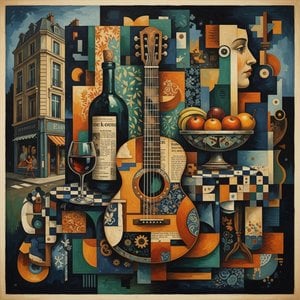
Master the vibrant world of Synthetic Cubism with our expert guide. Explore the revolutionary techniques of Picasso and Braque, from collage to color, and discover how this movement redefined modern art for collectors and connoisseurs alike.

Elevate your artistic practice with our expert guide to mastering mixed media art. Discover professional techniques for layering, material integration, and creating structural depth to transform your creative vision into sophisticated, multi-dimensional masterpieces.

Explore the profound impact of Pop Art on modern aesthetics. From Warhol’s icons to Lichtenstein's bold dots, discover how mass media redefined the masterpiece and continues to inspire sophisticated art collectors and contemporary interior design.
 Náhled v interiéru
 Sdílet
 Sdílet
 Podrobnosti o díle
 Průvodce

 Stáhnout
 Podobné položky
 Rentgenové snímky
 Slideshow
 Otázky a odpovědi
 Statistiky

 Zobrazit více









 Skleněná varianta je dostupná pouze u rozměrů menších než 110 cm


