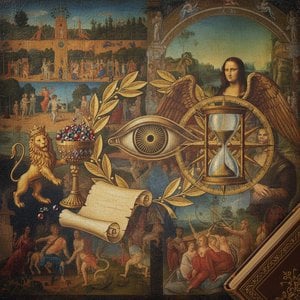
Kartograf současné kultury: Život a umění Douglase Couplanda
Douglas Coupland se na kulturní scénu v počátcích 90. let vynikl nikoliv pouze jako románopisec, ale jako diagnostik jedné éry. Narodil se 30. prosince 1961 na kanadské vojenské základně v německém Baden-Söllingen a jeho dětství bylo poznamenáno neustálými stěhováními, až nakonec skončil ve Vancouveru v Kanadě – městě, které hluboce utváដាក់lo jeho uměleckou citlivost. Tato raná zkušenost v něm zrodila pronikavý pohled pozorovatele, ladící na jemné změny a úzkosti moderního života. Ačkoliv se zpočátku věnoval sochařství na Emily Carr College of Art and Design, Coupland našel své skutečné poslání ne v modelování fyzických forem, ale v artikulaci nehmotných textur současné existence skrze slovo, a později prostřednictím fascinující směsi vizuálního umění a digitálních technologií. On kulturu pouze neodrážel; on jí dával jména a projevoval nevyslovené pocity generace bloudící v rychle se zrychlujícím světě.
Od Generace X k vizuálnímu komentáři
Couplandův průlom přišel s vydáním románu
Generation X: Tales for an Accelerated Culture v roce 1991. Tento román nebyl jen literárním úspěchem; byl kulturním fenoménem, který vytvořil termín okamžitě rezonující u milionů lidí zápasících s identitou a smyslem bytí ve stínu postindustriální společnosti. Do jazyka vstoupily výrazy jako „McJob“, které se staly zkratkou pro nejistotu a odcizení práce v pozdním 20. století. Avšak Couplandovy ambice však sahaly daleko za pouhé pojmenování generace. Zajímal se o zkoumání psychologické krajiny světa saturovaného médii, konzumismem a technologickými změnami. Toto zkoumání nekončilo v literatuře. Plynule přešel do oblasti výtvarného umění, poháněn touhou vyjádřit své myšlem prostřednictvím různých médií. Jeho umělecká praxe je překvapivě rozmanitá a zahrnuje malbu, sochařství, fotografii i design – vše sjednocené jednotným tematickým vláknem: dotazem na podstatu moderního života. Jako neúnavný tvůrce napsal 13 románů, dvě sbírky povídek, sedm odborných knih a četné scénáře pro film a televizi, čímž dokázal svou nepoludnou kreativitu.
Jazyk QR kódů a tíha ztráty
Couplandovo výtvarné umění je charakteristické jedinečnou směsí abstrakce, odkazů na popkulturu a technologických inovací. Nejvýrazněji je znám díky svým sériím, které do obrazů integrují QR kódy. Nejsou to pouhé dekorativní prvky; jsou to portály k skrytým vrstvám významu, které zvídáž viewers zvou k aktivní interakci s dílem prostřednictvím jejich chytrých telefonů. Skenování těchto kódů odhaluje stručné komentáře, což přidává další dimenzi vizuálnímu zážitku – což je důkazem Couplandovy fascinace průsečíkem umění a technologie. Vedle této inovativní techniky se jeho dílo často zabývá hlubokými tématy ztráty a mortality.
Dead Grads Series je například dojmovým holdem mladým životům, které byly tragicky přerušeny; každý obraz nese titulek jako „Zbraň“, „Autonehodě“ nebo „Předávkování“ – syrové připomínky křehkosti života a trvající stopy žalosti. Dílo
Silver Boogeyman, úderný kus, který při pohledu přes displej chytrého telefonu odhaluje tvář Osamy bin Ladena, je příkladem jeho schopnosti vyprovokovat myšlenky a zpochybnit vnímání, čímž nutí diváky čelit nepříjemným pravdám světa po událostech 11. září.
Sochařská prohlášení a národní identita
Couplandova umělecká vize se rozprostírá i za hranice dvourozměrného plátna do sféry sochařství.
The Ice Storm, monumentální ocelová struktura, stojí jako mocná reflexe kanadské identity a zranitelnosti. Forma sochy evokuje sílu i křehkost, zrcadlící komplikovanost historie národa a jeho vztah k přírodnímu světu. Jeho koláže z mixovaných médií, jako například
God, demonstrují mistrovství v technice vrstvení a grafického designu; využívají symbolické prvky jako „Lord Jim“ a geometrické písmeno „D“ k vytvoření vizuálně nápadných kompozic, které vybízejí k mnoha interpretacím. Tato díla nejsou pouhými estetickými objekty; jsou to intelektuální hádanky vyžadující od diváka aktivní zapojení. Jeho práce byly vystaveny v prestižních institucích, jako je Vancouver Art Gallery a McMichael Canadian Art Collection, čímž si upevnil svou pozici významné postavy současného umění.
Odkaz pozorování a inovace
Přínos Douglase Couplanda jak do literatury, tak do výtvarného umění mu vynesal široké uznání, včetně jmenování důstojníkem řádu Kanady a členství v řádu Britské Kolumbie. Zůstává klíčovým hlasem v kanadské literatuře a umění, známým svými pronikavými postřehy, inovativní uměleckou expresí a ochotou zabývat se komplexními sociálními a kulturními otázkami. Jeho dílo nadále rezonuje s publikem po celém světě a podněcuje dialog o současné kultuře, technologii a lidské kondici. Coupland není jen umělec; je kulturním kartografem, který mapuje neustále se měnící terén moderního života s přesností i empatií. Zanechal nezmazatelnou stopu v našem chápání nás samotných i světa kolem nás a zajistil si místo jednoho z nejdůležitějších současných umělců Kanady.
- Klíčová témata: Generace X, digitální kultura, technologie, ztráta, identita, konzumismus, kanadská identita.
- Vlivy: Pop art, minimalismus, konstruktivismus, japonský business science, současná literatura.



 Náhled v interiéru
 Koupit ručně malovaný obraz
 Sdílet
 Sdílet
 Podrobnosti o díle
 Průvodce

 Stáhnout
 Podobné položky
 Rentgenové snímky
 Slideshow
 Statistiky


 Zobrazit více






































 Skleněná varianta je dostupná pouze u rozměrů menších než 110 cm