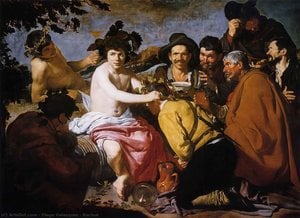
Mistr světla a stínu: Diego Velázquez
Diego Rodríguez de Silva y Velázquez, narozený v Seville roku 1599, zaujímá jedinečné postavení v dějinách umění – nejen jako španělský mistr, ale i jako zásadní osobnost, jejíž inovace rezonovaly napříč staletími. Jeho život se odehrával během Zlatého věku Španělska, období definovaného imperiální mocí a kulturním rozkvětem, a jeho umění bylo neodmyslitelně spjato s velkolepostí a složitostí habsburského dvora. Velázquez povstal z pokorných počátků, aby se stal víc než jen malířem; byl vizuálním interpretem impéria, zachycoval jeho vládců, dvořany i každodenní život s bezprecedentním realismem a psychologickou hloubkou. Jeho cesta začala pod vedením Francisca de Herrery el Viejo a klíčově pak u Francisca Pacheca, jehož přísný výcvik mu vštípil základy techniky, proporcí a klasického učení. Nicméně právě Velázquezův vrozený talent – mimořádná citlivost ke světlu, barvě a lidské povaze – ho skutečně odlišoval. Již raná díla jako *Stařenka smaží vejce* naznačovala revoluční přístup, který zvolí v žánrové malbě, obdařujíc běžné scény důstojností a bezprostředností, jakou dříve nebylo možné spatřit.
Vzestup na dvůr Filipa IV.
V roce 1623, ve věku čtyřiadvaceti let, učinil Velázquez zásadní rozhodnutí přestěhovat se do Madridu a hledat podporu v srdci španělské moci. Tento krok se ukázal jako klíčový. Rychle získal uznání a roku 1628 byl jmenován dvorním malířem krále Filipa IV., pozici, kterou zastával až do konce života. Toto jmenování nebylo jen o zajištění zaměstnání; poskytlo Velázquezovi bezprecedentní přístup ke královské rodině a šlechtě, což mu umožnilo stát se jejich kronikářem skrze barvy. Na rozdíl od mnoha dvorních umělců, kteří idealizovali své modely, usiloval Velázquez o nekompromisní realismus. Zobrazoval Filipa IV. nikoli jako vzdálený symbol autority, ale jako muže – inteligentního, melancholického a zatíženého odpovědností. Toto odhodlání k pravdivosti, spojené s jeho mistrovskou technikou, si získalo důvěru krále a rostoucí uměleckou svobodu. Jeho rané portréty na dvoře demonstrují vyvíjející se styl, který se vzdaluje přísné formalitě starší španělské portrétní tvorby směrem k naturalističtějšímu a psychologicky pronikavému přístupu. Vliv benátských mistrů, jako byl Titian – jehož díla Filip IV. horlivě sbíral – je zřejmý v stále plynulejší malbě Velázqueze a bohatých barevných paletách. Převzal lekce benátského malířství, zejména důraz na barvu a volnou malbu, a proměnil je ve něco jedinečně svého.
Zenit umělecké inovace: *Las Meninas* a další
Umělecký génius Velázqueze dosáhl vrcholu v 50. letech 16. století, vyvrchulivší stvořením jeho mistrovského díla, *Las Meninas* (1656). Tento obraz není pouhým portrétem; je to komplexní meditace o samotném umění. Zobrazuje infantku Margaritu Teresu obklopenou jejími dvorními dámami, trpaslíky a dalšími členy dvora, zatímco sám Velázquez stojí před velkým plátnem, jakoby přistižen při práci. Zařazení krále a královny odražené v zrcadle na pozadí místnosti přidává další vrstvu intrik, rozmazávající hranice mezi pozorovatelem a pozorovaným, realitou a reprezentací. *Las Meninas* jsou mistrovským dílem perspektivy, kompozice a psychologického vhledu, které vyzývají diváky, aby zpochybnili svou vlastní roli v aktu pohledu. Je to obraz o vidění, být viděn a samotné povaze umělecké tvorby. Mezi další významná díla tohoto období patří *Vzdání se Bredy*, silné zobrazení španělského vítězství s pozoruhodnou lidskostí, a portréty jako *Dona Mariana Rakouská*, ukazující jeho schopnost zachytit jak královskou důstojnost, tak vnitřní zranitelnost. Jeho technika se neustále vyvíjela, vyznačovala se volnou malbou, jemnými odstíny tónů a mimořádnou citlivostí ke světlu a atmosféře – charakteristickým znakem, který by hluboce ovlivnil generace umělců.
Dědictví a trvalý vliv
Diego Velázquez zemřel v Madridu roku 1660 a zanechal po sobě dílo, které zásadně ovlivnilo vývoj západního umění. Jeho důraz na realismus, inovativní využití světla a stínu a psychologická hloubka prolomily nové půdy v malbě. Nezaznamenával pouze vzhled; zachycoval podstatu lidské zkušenosti. V 19. století se francouzští realisté jako Gustave Courbet dívali na Velázqueze jako na vzor pro své vlastní odhodlání zobrazovat život bez idealizace. *Édouard Manet*, hluboce inspirován *Las Meninas*, přímo odkazoval na Velázquezovu kompozici ve svých vlastních dílech, což dokazuje trvalou sílu vize španělského mistra. Ve 20. století se umělci jako Pablo Picasso a Francis Bacon zabývali Velázquezovými obrazy prostřednictvím reinterpretací a poct, uznávajíc jeho pokračující relevanci pro moderní umění.
Picasso například vytvořil sérii variací na *Las Meninas*, zkoumajících její kompoziční strukturu a psychologickou složitost. Dnes jsou Velázquezova mistrovská díla uložena v muzeích po celém světě, zejména v Museo del Prado v Madridu, kde mohou návštěvníci zažít brilanci tohoto mimořádného umělce na vlastní kůži. Jeho odkaz nadále inspiruje úžas a obdiv, čímž si upevňuje své místo jako jednoho z největších malířů všech dob – mistra světla, stínu a lidského ducha.
Klíčová díla a sbírky
- *Las Meninas* (1656): Museo del Prado, Madrid - Pravděpodobně jeho nejslavnější dílo, komplexní portrét královské rodiny.
- *Vzdání se Bredy* (1634-1635): Museo del Prado, Madrid – Silné zobrazení španělského vítězství s pozoruhodnou lidskostí.
- *Venuše u zrcadla* (cca 1647–1651): Museo del Prado, Madrid - Demonstruje jeho schopnost vyvážit realismus a krásu.
- *Dona Mariana Rakouská, královna Španělska* (1649): Museo del Prado, Madrid – Ohromující portrét ukazující královskou eleganci.
- *Portrét papeže Inocence X.* (1650): Galleria Doria Pamphilj, Řím - Úderný a nekonvenční portrét papeže.
- *Autoportrét* (1643): Musée des Beaux-Arts, Valence – Odhaluje důstojného a introspektivního umělce.
Jeho díla jsou prominentně zastoupena v: Museo del Prado (Madrid), Musée des Beaux-Arts (Valence) a mnoha dalších prestižních sbírkách po celém světě.



 Zobrazit v interiéru
 Objednat ručně malovanou reprodukci
 Odeslat
 Sdílet
 Podrobnosti
 Průvodce

 Stáhnout obrázek
 Podobné kousky
 Rentgenové snímky
 Slideshow
 Statistiky

 Přečíst si více






































 Skleněná varianta je dostupná pouze u rozměrů menších než 110 cm