Zobrazit v interiéru Zkusit v AR Objednat ručně malovanou reprodukci Přepnout na digitální verzi obrazu Odeslat
Podrobnosti Průvodce Přidat do oblíbených Stáhnout obrázek Podobné kousky Rentgenové snímky Slideshow Statistiky

The Surgeon

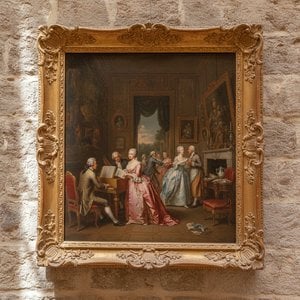
David Teniers the Younger's "The Surgeon" (1670s) captures a bustling 17th-century medical scene with remarkable detail and realism, showcasing Flemish genre painting at its finest.

David Teniers mladší byl významný flámský malíř 17. století, známý živými scénami z venkovského života, hospod a krajinami. Jeho dílo ovlivnilo další generace umělců a je dodnes ceněné pro svou atmosféru a detailní zobrazení doby.

Giclée / Umělecký tisk

Giclée nebo plátěný tisk muzeální kvality s rychlou výrobou a širokou nabídkou povrchových úprav. ( Objednat ručně malovanou reprodukci Přepnout na digitální verzi obrazu)

P118B $10
P118H $10
P118W $10
P438Z $10
P508JH $12
P508YH $12
P805H $10
P805Z $10
P919BZ $10
P919G $10
P919XJ $10
P959ZH $10
P968JZ $12
W106C $8
W218G $10
W218JH $8
W218Y $10
W307PJ $10
W316G $10
W316PJ $8
W316Y $10
W398PJ $8
W4111J $10
W500HY $15
W500JH $15
W692G $12
W849H $8
W940BG $15
W953PJ $8

Standardní velikost
na zakázku
CM
INCH

Vyberte si z našich přednastavených velikostí, které odpovídají původním proporcím díla.

šířka
výška

Můžete zadat vlastní rozměry tak, aby výtvor odpovídal konkrétnímu rámu nebo prostoru. Pokud zvolená velikost nebude odpovídat poměru stran původního obrazu, dílo buď ořížeme, nebo obraz rozšíříme pomocí zrcadlového efektu či jednobarevného okraje. Před zahájením výroby vám bude zaslán digitální náhled k schválení.
Mějte prosím na paměti, že náhled na obrazovce neodráží skutečné oříznutí nebo rozšíření. Pouze digitální náhled přesně zobrazí finální kompozici.
Ačkoliv jsou k dispozici i vlastní rozměry, pro zachování původních proporcí doporučujeme vybrat si rozměr z předdefinovaného seznamu.

Celosvětové doručení () do 2 týdnů namísto standardních 4/5 týdnů. (20 září)

why_choose_icon
Zdarma celosvětová expresní doprava
why_choose_icon
Vysoce kvalitní lněné plátno
why_choose_icon
Úplné pojištění přepravy
why_choose_icon
Záruka vrácení celního poplatku
why_choose_icon
Záruka věrného barevného shodu
why_choose_icon
100dení lhůta pro vrácení zboží (pouze při vadách výroby)
why_choose_icon
100% garance vrácení peněz
why_choose_icon
Sleva při více objednávkách

Celková cena

$ 68

reproduction

The Surgeon

Giclée / Umělecký tisk

Velikost reprodukce

-

Celková cena

$ 68

Rychlé informace

  • Movement: Dutch Golden Age
  • Influences: Rubens
  • Artist: David Teniers the Younger
  • Year: 1670
  • Dimensions: 57 x 73 cm
  • Medium: Oil on canvas
  • Artistic style: Realism, detailed observation

Kvíz o umění

U každé otázky je pouze jedna správná odpověď.

Otázka 1:
What is the primary subject matter depicted in ‘The Surgeon’?
Otázka 2:
The painting ‘The Surgeon’ is characteristic of which artistic movement?
Otázka 3:
According to the description, what is a prominent feature of the painting’s color palette?
Otázka 4:
David Teniers the Younger was primarily known for his work in which genre?
Otázka 5:
What technique is most evident in the rendering of textures within ‘The Surgeon’?

A Glimpse into a World of Healing and Observation

David Teniers the Younger’s “The Surgeon,” painted around 1670, isn't merely a depiction of a medical scene; it’s a meticulously rendered snapshot of daily life within a bustling apothecary and surgical workshop. The painting immediately draws the eye into a crowded room filled with figures engaged in various activities – a surgeon intently focused on his patient, assistants tending to instruments, and onlookers observing the procedure. This isn't a grand portrait of heroic medicine; instead, it offers an intimate, almost voyeuristic view of the practical realities of medical practice during the Dutch Golden Age. The composition is deliberately dense, reflecting the organized chaos inherent in a working environment where life and death were intimately intertwined.

The scene unfolds within a space defined by earthy tones – browns, ochres, and muted greens dominate the palette, lending an air of realism and groundedness to the portrayal. Subtle touches of red appear in clothing and bandages, providing visual contrast and drawing attention to the act of healing itself. Teniers’ masterful use of hatching and cross-hatching creates a remarkable sense of texture, from the rough wool of garments to the smooth surfaces of porcelain jars filled with medicinal ingredients. The artist skillfully employs light – primarily emanating from a window on the left – to sculpt forms and cast shadows, adding depth and drama to the composition. The limited perspective, while somewhat flattened, effectively guides the viewer’s eye through the crowded room, emphasizing key figures and details.

The Artist's Hand: Technique and Style

“The Surgeon” is a prime example of David Teniers the Younger’s signature style – a blend of meticulous observation and genre painting. He was renowned for his ability to capture the nuances of everyday life, imbuing even mundane scenes with a sense of vitality and interest. The brushwork is visible yet controlled, contributing to the overall realism of the piece. Notice how Teniers renders the folds in clothing, the textures of skin, and the details of surgical instruments – each element meticulously rendered with careful attention to detail. The painting’s foundation lies in oil paints applied to canvas, a technique that allowed for layering and blending, creating rich colors and subtle gradations of tone.

Furthermore, Teniers' work reflects the influence of his mentor, Peter Paul Rubens, particularly in his use of vibrant color and dynamic composition. However, unlike Rubens’ grand historical scenes, Teniers focused on capturing the immediacy of a domestic setting. The painting is not just a record of events; it’s an invitation to step into a world where medicine was practiced within the familiar confines of a workshop, alongside the rhythms of daily life.

Symbolism and Context: A Window into 17th-Century Medicine

Beyond its immediate visual appeal, “The Surgeon” offers a fascinating glimpse into the cultural attitudes surrounding medicine during the 17th century. The presence of anatomical tools, surgical instruments, and even a monkey – often associated with alchemy and medical knowledge – hints at the prevailing fascination with the human body and the pursuit of healing. Skulls are also present, serving as stark reminders of mortality and the fragility of life. These elements collectively evoke a sense of both wonder and apprehension regarding the practice of medicine.

The painting’s historical context is crucial to understanding its significance. During this period, medical knowledge was still evolving, often blending traditional remedies with emerging scientific discoveries. The scene depicted reflects the collaborative nature of medical care, where surgeons relied on assistants and apprentices to aid in their procedures. “The Surgeon” isn't a celebration of surgical prowess; it’s a testament to the shared experience of healing within a community.

A Timeless Masterpiece: Reproduction and Legacy

David Teniers the Younger’s “The Surgeon” remains a captivating work of art, offering a rare glimpse into the world of 17th-century medicine. Reproductions capture the painting's rich detail and evocative atmosphere, making it an ideal addition to any home or office. Its enduring appeal lies in its ability to transport viewers back in time, inviting them to contemplate the complexities of human health, knowledge, and the ever-present pursuit of healing.


Biografie umělce

David Teniers the Younger: A Master of Flemish Life

David Teniers the Younger, born in Antwerp on December 15, 1610, wasn’t simply a painter; he was a chronicler of his time, a vibrant observer of everyday life who captured the spirit and charm of Flanders during the Baroque era. His lineage was steeped in artistic tradition – his father, David Teniers the Elder, was himself a respected painter, and several siblings followed suit into the world of art. Early training under his father provided him with a solid foundation, but it was through his marriage to Anna Brueghel, daughter of the renowned Jan Brueghel the Elder, and his close association with Peter Paul Rubens that Teniers truly blossomed, absorbing influences from masters like Pieter Bruegel the Elder and benefiting from the direct guidance of one of history’s greatest artists. The family's financial circumstances were often precarious, a reality that led young David to supplement their income by meticulously copying older masterworks – a testament to his dedication and artistic skill.

The Rise of a Genre Painter

Teniers’ artistic journey took a defining turn as he specialized in genre painting, a style focused on depicting scenes from ordinary life. He wasn't interested in grand historical narratives or solemn religious subjects; instead, he chose to capture the lively bustle of peasant festivals – *kermesses* – overflowing taverns, and picturesque village landscapes. These weren’t idealized representations; they were brimming with authentic detail, showcasing the joys, struggles, and social interactions of the common people. His work is characterized by a remarkable ability to convey atmosphere and emotion, drawing viewers into the heart of these scenes. The influence of Rubens was particularly evident in his use of color and composition, while the Brueghels instilled within him a keen eye for detail and an appreciation for capturing the nuances of human behavior. He quickly gained recognition for his talent, becoming a sought-after artist commissioned by wealthy patrons throughout Flanders and beyond.

A Court Painter and Curator

Teniers’ career reached new heights when he entered the service of Archduke Leopold Wilhelm, the Governor General of the Spanish Netherlands. This appointment marked a significant shift in his artistic focus, leading him to work primarily for the court at Brussels. As curator of the Archduke's vast art collection – a collection that would later form the nucleus of the Vienna Kunsthistorisches Museum – Teniers was responsible for cataloging and managing an extraordinary array of paintings, sculptures, and antiquities. This role demanded not only artistic skill but also organizational abilities and a deep understanding of art history. He meticulously documented each piece, creating detailed inventories and establishing a system for preserving and displaying the collection. The Archduke’s patronage provided Teniers with financial stability and access to a wider audience, further solidifying his reputation as one of Flanders' leading artists.

The Antwerp Academy and Lasting Legacy

Recognizing the need to revitalize Flemish painting after the loss of Rubens and Van Dyck, David Teniers the Younger played a pivotal role in establishing the Antwerp Academy of Fine Arts in 1662. This institution served as a training ground for aspiring young artists, providing them with instruction in drawing and sculpture – disciplines that were often neglected in the pursuit of painting alone. Teniers’ vision was to foster a new generation of Flemish painters who would carry on the legacy of their predecessors. He dedicated himself to nurturing talent and promoting artistic excellence within his city. David Teniers the Younger died in Antwerp on April 25, 1690, leaving behind an impressive body of work that continues to captivate viewers with its vibrant colors, detailed compositions, and insightful portrayal of Flemish life. His legacy extends beyond his individual paintings; he is remembered as a key figure in the revival of Flemish art and a master of capturing the essence of a bygone era.
David Teniers mladší

David Teniers mladší

1610 - 1690 , Belgie

Rychlé informace

  • Artistic Movement Or Style: Baroko
  • Artists Or Movements Influenced By This Artist: ['Watteau']
  • Artists Who Influenced This Artist:
    • Rubens
    • Brueghel
  • Date Of Birth: 1610
  • Date Of Death: 1690
  • Full Name: David Teniers mladší
  • Nationality: Vlámský
  • Notable Artworks:
    • Kermessy
    • Taverny
    • Venecie
  • Place Of Birth: Antverpy, Belgie
Prozkoumejte umělecká díla uspořádaná podle témat, stylů a charakteristik.