


Umělecké dílo zobrazené na této stránce je chráněno autorským zákonem, což znamená, že nemůžeme legálně vytvářet ani prodávat jeho identickou reprodukci. Tato ochrana je vymáhána na základě mezinárodních dohod, jako například Berberská úmluva a národními zákony, včetně těch stanovených v Americký autorský zákon – Díl 17. Všechna práva vyhrazena.
Tato metoda je plně v souladu s autorským právem, protože nezahrnuje kopírování ani duplikování chráněného díla. Jde o kreativní reinterpretaci – nový obraz, který je inspirován originálem, ale není s ním identický.
Giclée nebo plátěný tisk muzeální kvality s rychlou výrobou a širokou nabídkou povrchových úprav. ( Koupit ručně malovaný obraz Přepnout na digitální obraz)





























Vyberte si z našich přednastavených velikostí, které odpovídají původním proporcím díla.

Zadejte šířku a výšku, které potřebujete pro váš rám nebo stěnu. Tisk lze pouze oříznout, nikdy však nelze zvětšit obraz nad jeho původní rozměr, proto při výběru jiného formátu dochází ke ztrátě části obrazu. Před samotným tiskem vám zašleme digitální náhled k schválení. Obraz zobrazený na této stránce nenabízí skutečný výřez — ten uvidíte pouze v náhledu.
Celosvětové doručení () do 2 týdnů namísto standardních 4/5 týdnů. (14 listopad)
Diana
Rozměry reprodukce
David Bomberg’s Diana, painted in 1943, immediately draws the viewer into a moment of profound introspection. The central figure, clad in a striking red jacket, commands attention against a warm, almost incandescent orange background. Her posture—hand delicately placed near her face, suggesting contemplation or perhaps a momentary veil over deep thought—lends an air of enigmatic grace to the composition. Bomberg, a key member of the vibrant 'Whitechapel Boys,' captures not just a likeness, but a palpable state of being. The interplay between the vivid red garment and the surrounding autumnal glow creates an immediate visual tension, anchoring the viewer's gaze to the woman’s downward, thoughtful expression.
To appreciate Diana is to understand the trajectory of early 20th-century British modernism. While Bomberg’s training exposed him to the structured lessons of Cézanne and the dynamism of avant-garde movements, this piece retains a raw, emotional immediacy characteristic of his later work. His technique here suggests a masterful handling of paint, where form is suggested through bold planes of color rather than minute detail. The presence of other figures—one subtly placed in the upper left and another near the bottom right—suggests that the central subject exists within a larger social or psychological tableau. These secondary elements do not distract; rather, they frame the primary emotion, giving the scene depth beyond a simple portrait.
The title, Diana, evokes classical associations with the huntress and the goddess of the moon—figures often linked to mystery, independence, and feminine power. Yet, Bomberg grounds this mythological echo in a very human moment. The red jacket can be interpreted as passion or vitality against the backdrop of the fading orange light, perhaps symbolizing memory or the passage of time itself. The woman’s gesture is universally understood: it speaks of secrets held close, of beauty observed from within. For the collector or designer, this painting offers more than mere decoration; it offers a conversation piece—a meditation on introspection that resonates deeply in contemporary life.
Reproducing the power of Diana allows one to integrate a piece steeped in artistic history and emotional weight into any interior space. The rich palette, dominated by the fiery contrast of red and orange, makes it an exceptional focal point for rooms seeking depth and character. Whether displayed above a console table or as a centerpiece in a gallery wall, this reproduction captures Bomberg’s unique ability to infuse everyday subjects with monumental feeling. It is a piece that demands a pause, inviting quiet contemplation amidst the bustle of modern living.
V rámci směru Modernism je dílo „Diana“ zachyceno v Reflective tónu.
Dílo „Diana“ nabízí náhled v rozšířené realitě: na stránce Náhled v rozšířené realitě si jej můžete prohlédnout ve vlastním prostoru pomocí kompatibilního zařízení.
Originální dílo „Diana“ od David Bomberg je práce typu Oil On Canvas o rozměrech 41 x 36 cm. Technika a velikost popisují originální objekt.

David Bomberg se narodil v Birminghamu v polsko-židovské imigrantské rodině Abrahama a Rebeky Bombergové. Svou cestu k umění začal studiem na City and Guilds Technical Art School, než proškoloval jako litograf v Birminghamu.
Pod vedením Waltera Sickerta na Westminster School of Art (1908–1910) nasávl hluboký vliv Sickertova zaměření na formu a městský život. Klíčovým momentem byla jeho konfrontace s dílem Paula Cézanna prostřednictvím výstavy Rogera Frye „Manet a postimpresionisté“ v roce 1910. Následně navštívil Slade School of Art (1911), kde získal prestižní Tonks Prize za svůj portrét spolužáka Isaaca Rosenberga.
Zkušenosti z fronty jako prostý voják během první světové války hluboce zasáhly do jeho umělecké vize a vedly k postupnému odklonu od abstrakce.
V 20. letech se Bomberg začal věnovat figurativnějšímu stylu, zaměřenému na portréty a krajiny čerpané přímo z přírody. Rozvinul si stále více expresivní techniku, která byla definována bohatou texturou impasta a silnou emocionální intenzitou.
Rozsáhlé cesty středním východem (zejména přes Palestinu) a Evropou zásadně ovlivnily jeho pozdější dílo. Jeho zachycení Jeruzaléma patří k jeho nejvýznamnějším přínosům.

1890 - 1957 , Spojené království

Decode the profound symbolism of hands in masterworks from Van Gogh to Hindu mudras. Explore the silent language of art with our expert guide.

Discover the profound beauty of Contemporary Impressionism. Explore how masters capture light and emotion through textured brushwork and vibrant color, perfect for discerning collectors seeking timeless elegance and museum-quality artistry for luxury interiors.
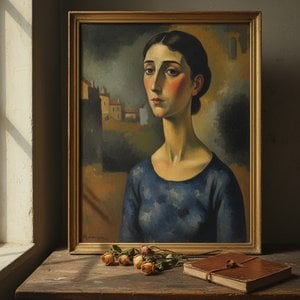
Delve into the haunting beauty of Amedeo Modigliani's portraits. Explore the intersection of Expressionism and Modernism through an expert analysis of his iconic elongated forms, melancholic gazes, and profound influence on art history.

Explore the profound symbolism of red hair through iconic masterpieces. Discover the fiery allure of art history with our expert guide.
 Náhled v interiéru
 Sdílet
 Sdílet
 Podrobnosti o díle
 Průvodce

 Stáhnout
 Podobné položky
 Rentgenové snímky
 Slideshow
 Otázky a odpovědi
 Statistiky


 Zobrazit více









 Skleněná varianta je dostupná pouze u rozměrů menších než 110 cm


