Zobrazit v interiéru Zkusit v AR Objednat ručně malovanou reprodukci Přepnout na digitální verzi obrazu Odeslat
Podrobnosti Průvodce Přidat do oblíbených Stáhnout obrázek Podobné kousky Rentgenové snímky Slideshow Statistiky

Circus (Abstract Composition)

Discover 'Circus' by David Bomberg (1921), an abstract masterpiece blending cubism & futurism with vibrant colors and dynamic figures. Explore the work of this pioneering British artist.

David Bomberg (1890–1957): Od kubistických počátků až po expresivní krajiny, prozkoumejte životopis tohoto vlivného britského malíře a člena skupiny 'Whitechapel Boys'.

Umělecké dílo zobrazené na této stránce je chráněno autorským zákonem, což znamená, že nemůžeme legálně vytvářet ani prodávat jeho identickou reprodukci. Tato ochrana je vymáhána na základě mezinárodních dohod, jako například Berberská úmluva a národními zákony, včetně těch stanovených v Americký autorský zákon – Díl 17. Všechna práva vyhrazena.

Tato metoda je plně v souladu s autorským právem, protože nezahrnuje kopírování ani duplikování chráněného díla. Jde o kreativní reinterpretaci – nový obraz, který je inspirován originálem, ale není s ním identický.

Giclée / Umělecký tisk

Giclée nebo plátěný tisk muzeální kvality s rychlou výrobou a širokou nabídkou povrchových úprav. ( Objednat ručně malovanou reprodukci Přepnout na digitální verzi obrazu)

Corner sample of the P118B picture frame: moulded polystyrene, 5 cm wide and 3 cm thick
P118B Kč10
Corner sample of the P118H picture frame: moulded polystyrene, 5 cm wide and 3 cm thick
P118H Kč10
Corner sample of the P118W picture frame: moulded polystyrene, 5 cm wide and 3 cm thick
P118W Kč10
Corner sample of the P438Z picture frame: moulded polystyrene, 5.5 cm wide and 3.5 cm thick
P438Z Kč10
Corner sample of the P508JH picture frame: moulded polystyrene, 7 cm wide and 3.5 cm thick
P508JH Kč12
Corner sample of the P508YH picture frame: moulded polystyrene, 7 cm wide and 3.5 cm thick
P508YH Kč12
Corner sample of the P805H picture frame: moulded polystyrene, 5 cm wide and 3.5 cm thick
P805H Kč10
Corner sample of the P805Z picture frame: moulded polystyrene, 5 cm wide and 3.5 cm thick
P805Z Kč10
Corner sample of the P919BZ picture frame: moulded polystyrene, 7 cm wide and 3.5 cm thick
P919BZ Kč10
Corner sample of the P919G picture frame: moulded polystyrene, 7 cm wide and 3.5 cm thick
P919G Kč10
Corner sample of the P919XJ picture frame: moulded polystyrene, 7 cm wide and 3.5 cm thick
P919XJ Kč10
Corner sample of the P959ZH picture frame: moulded polystyrene, 5 cm wide and 3 cm thick
P959ZH Kč10
Corner sample of the P968JZ picture frame: moulded polystyrene, 6 cm wide and 4 cm thick
P968JZ Kč12
Corner sample of the W106C picture frame: solid wood, 5 cm wide and 3 cm thick
W106C Kč8
Corner sample of the W218G picture frame: solid wood, 5 cm wide and 3 cm thick
W218G Kč10
Corner sample of the W218JH picture frame: solid wood, 5 cm wide and 3 cm thick
W218JH Kč8
Corner sample of the W218Y picture frame: solid wood, 5 cm wide and 3 cm thick
W218Y Kč10
Corner sample of the W307PJ picture frame: solid wood, 6 cm wide and 3 cm thick
W307PJ Kč10
Corner sample of the W316G picture frame: solid wood, 6 cm wide and 3 cm thick
W316G Kč10
Corner sample of the W316PJ picture frame: solid wood, 6 cm wide and 3 cm thick
W316PJ Kč8
Corner sample of the W316Y picture frame: solid wood, 6 cm wide and 3 cm thick
W316Y Kč10
Corner sample of the W398PJ picture frame: solid wood, 5 cm wide and 3 cm thick
W398PJ Kč8
Corner sample of the W4111J picture frame: solid wood, 6.5 cm wide and 3.5 cm thick
W4111J Kč10
Corner sample of the W500HY picture frame: solid wood, 7 cm wide and 5 cm thick
W500HY Kč15
Corner sample of the W500JH picture frame: solid wood, 7 cm wide and 5 cm thick
W500JH Kč15
Corner sample of the W692G picture frame: solid wood, 8 cm wide and 4 cm thick
W692G Kč12
Corner sample of the W849H picture frame: solid wood, 5 cm wide and 3 cm thick
W849H Kč8
Corner sample of the W940BG picture frame: solid wood, 7.5 cm wide and 4.5 cm thick
W940BG Kč15
Corner sample of the W953PJ picture frame: solid wood, 6 cm wide and 3.5 cm thick
W953PJ Kč8

Standardní velikost
na zakázku
CM
INCH

Vyberte si z našich přednastavených velikostí, které odpovídají původním proporcím díla.

šířka
výška

Můžete zadat vlastní rozměry tak, aby výtvor odpovídal konkrétnímu rámu nebo prostoru. Pokud zvolená velikost nebude odpovídat poměru stran původního obrazu, dílo buď ořížeme, nebo obraz rozšíříme pomocí zrcadlového efektu či jednobarevného okraje. Před zahájením výroby vám bude zaslán digitální náhled k schválení.
Mějte prosím na paměti, že náhled na obrazovce neodráží skutečné oříznutí nebo rozšíření. Pouze digitální náhled přesně zobrazí finální kompozici.
Ačkoliv jsou k dispozici i vlastní rozměry, pro zachování původních proporcí doporučujeme vybrat si rozměr z předdefinovaného seznamu.

Celosvětové doručení () do 2 týdnů namísto standardních 4/5 týdnů. (10 říjen)

Zdarma celosvětová expresní doprava
Vysoce kvalitní lněné plátno
Úplné pojištění přepravy
Záruka vrácení celního poplatku
Záruka věrného barevného shodu
100dení lhůta pro vrácení zboží (pouze při vadách výroby)
100% garance vrácení peněz
Sleva při více objednávkách

Celková cena

Kč 1422

Circus (Abstract Composition)

Giclée / Umělecký tisk

Velikost reprodukce

-

Celková cena

Kč 1422

Rychlé informace

  • Subject or theme: Circus scene
  • Title: Circus (Abstract Composition)
  • Notable elements: Angular figures, color
  • Dimensions: 35 x 50 cm
  • Influences:
    • Cézanne
    • Sickert
  • Artist: David Bomberg
  • Artistic style: Expressionist

Kvíz o umění

U každé otázky je pouze jedna správná odpověď.

Otázka 1:
What is the primary subject matter depicted in David Bomberg’s ‘Circus (Abstract Composition)’?
Otázka 2:
In what year was ‘Circus (Abstract Composition)’ painted?
Otázka 3:
Which artistic movement heavily influenced David Bomberg’s style during the creation of ‘Circus (Abstract Composition)’?
Otázka 4:
What is the approximate size of the painting ‘Circus (Abstract Composition)’?
Otázka 5:
David Bomberg was part of a group known as the ‘Whitechapel Boys’. What is significant about this group?

A Whirlwind of Color and Form: David Bomberg’s “Circus”

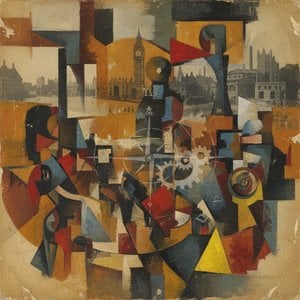
David Bomberg's "Circus (Abstract Composition)," painted in 1921, isn’t merely a depiction of a traveling show; it’s an explosion of energy, emotion, and the restless spirit of early modernism. This vibrant canvas, now housed at the Ashmolean Museum in Oxford, captures a fleeting moment within a chaotic yet strangely ordered spectacle – a testament to Bomberg's unique ability to distill complex experience into powerful visual form. The painting immediately assaults the senses with its bold palette: assertive blues and reds clash dynamically against yellows and whites, creating an atmosphere of both excitement and underlying tension.

Bomberg’s style during this period was deeply influenced by the avant-garde movements sweeping through Europe. He absorbed the geometric abstraction of Cubism – evident in the fragmented forms suggesting figures and structures – while simultaneously embracing the dynamism and expressive power of Futurism, particularly its fascination with movement and speed. The painting's composition isn’t static; it feels like a captured rush, a snapshot of a scene perpetually in motion. Notice how the figures are reduced to angular shapes, almost dissolving into the swirling colors, mirroring the fragmented reality presented by Cubist principles.

The Artist and His Time

Born in Birmingham in 1890, David Bomberg’s early life was shaped by his Polish-Jewish heritage and a challenging upbringing. He initially trained as a lithographer but quickly gravitated towards painting, finding himself drawn to the radical artistic currents of the time. He became part of the “Whitechapel Boys,” a group of East End artists who pushed against established conventions and experimented with new forms of expression. This group, including Mark Gertler and Stanley Spencer, formed a vital network of support and influence during a period of significant social and political upheaval in Britain.

Bomberg’s artistic journey was marked by experimentation and controversy. His early work, particularly his engagement with Cubism and Futurism, drew criticism from some quarters who viewed these movements as overly abstract or even decadent. However, Bomberg remained steadfast in his pursuit of a new visual language, reflecting the anxieties and aspirations of a rapidly changing world. His expulsion from the Slade School of Art in 1913, due to his perceived disregard for traditional artistic methods, further solidified his position as an outsider artist challenging established norms.

Decoding the Composition: Symbolism and Emotion

While seemingly abstract, “Circus” is rich with symbolic potential. The figures themselves – a jumble of shapes suggesting people and animals – represent not individual portraits but rather archetypal elements of the circus experience: performers, spectators, and the spectacle itself. The swirling colors aren’t simply decorative; they convey a sense of disorientation, excitement, and perhaps even underlying unease. The dominant blues could symbolize both the vastness of the sky and the melancholy associated with transient experiences.

Consider the elephant in the center of the composition. It's not rendered realistically but rather as a powerful, simplified form – a symbol of strength, memory, and perhaps even the weight of tradition. The overall effect is one of controlled chaos, inviting the viewer to contemplate the complexities of human experience within a world of illusion and spectacle. Bomberg masterfully uses color and form to evoke a visceral response, capturing not just what he saw but also how he *felt* about it.

A Legacy of Innovation

“Circus (Abstract Composition)” stands as a pivotal work in David Bomberg’s oeuvre and a significant example of early British abstraction. It demonstrates his willingness to embrace radical experimentation, blending influences from Cubism, Futurism, and his own unique artistic vision. His exploration of form, color, and emotion paved the way for subsequent generations of artists, solidifying his place as a key figure in the development of modern art in Britain. Reproductions of this dynamic painting continue to resonate with viewers today, offering a glimpse into the turbulent yet exhilarating world of early 20th-century artistic innovation.

Otázky a odpovědi

Jaká technika byla použita u díla "Circus (Abstract Composition)" a kdy bylo vytvořeno?

Dílo „Circus (Abstract Composition)“ vzniklo v roce 1921 s využitím techniky Acrylic On Canvas. Materiál a datum popisují, jakým způsobem a kdy byl originál vytvořen.

Jaká technika byla použita pro dílo „Circus (Abstract Composition)“ od David Bomberg?

David Bomberg použil/a techniku Acrylic On Canvas pro dílo „Circus (Abstract Composition)“. Tato technika definuje materiální podstatu originálního díla.

V jakém roce bylo vytvořeno dílo „Circus (Abstract Composition)“ od David Bomberg?

Dílo "Circus (Abstract Composition)" pochází z roku 1921. Toto datum situuje dílo do období tvůrčí činnosti David Bomberg i do jeho dobové kontextu.

K kterému umělci je dílo "Circus (Abstract Composition)" připisováno?

Dílo "Circus (Abstract Composition)" se připisuje autorovi David Bomberg.

Zůstalo dílo "Circus (Abstract Composition)" ve své domovské zemi?

Ano – dílo se nachází v zemi původu umělce. David Bomberg se narodil(a) v Spojené království, zatímco originál díla „Circus (Abstract Composition)“ je uchováván v muzeu v Spojené království.

V jakém věku vytvořil/a David Bomberg dílo „Circus (Abstract Composition)"?

Když bylo dílo „Circus (Abstract Composition)“ vytvořeno v roce 1921, měl/a David Bomberg – narozen/a 1890 – 31 let.

Kde se doporučuje umístit obraz s formátem Landscape díla „Circus (Abstract Composition)“?

Dílo v Landscape formátu, reprodukce díla „Circus (Abstract Composition)“, se doporučuje do Living Room.


Biografie umělce

Raný život a umělecké vzdělání

  • Narozen: Birmingham, Spojené království (5. prosince 1890)
  • Zemřel: Londýn, Spojené království (19. srpna 1957)
  • Patřil mezi „Whitechapel Boys“ – skupinu umělců z East Endu, kteří se objevili na začátku 20. století.

David Bomberg se narodil v Birminghamu v polsko-židovské imigrantské rodině Abrahama a Rebeky Bombergové. Svou cestu k umění začal studiem na City and Guilds Technical Art School, než proškoloval jako litograf v Birminghamu.

Pod vedením Waltera Sickerta na Westminster School of Art (1908–1910) nasávl hluboký vliv Sickertova zaměření na formu a městský život. Klíčovým momentem byla jeho konfrontace s dílem Paula Cézanna prostřednictvím výstavy Rogera Frye „Manet a postimpresionisté“ v roce 1910. Následně navštívil Slade School of Art (1911), kde získal prestižní Tonks Prize za svůj portrét spolužáka Isaaca Rosenberga.

Éra avantgardy: Kubismus, futurismus a kontroverze

  • Na Slade School of Art byl Bomberg součástí pozoruhodné generace, která zahrnovala jména jako Mark Gertler, Stanley Spencer, C.R.W. Nevinson a Dora Carrington.
  • Jeho tvorbu formovaly londýnské výstavy italských futuristů z roku 1912 a Fryova druhá postimpresionistická výstava (představující Picassa, Matisse, fauvisty či Wyndhame Lewise).
  • Vyvinul si nezaměnitelný styl kombinující kubismus a futurismus – charakteristický geometrickými kompozicemi, omezenou paletou barev, úsečnými postavami a mřížkovými strukturami.
  • Jeho radikální přístup byl v roce 1913 natolik odvážný, že mu vedl k vyloučení ze Slade School of Art, neboť jeho metody byly pro tehdejší konvenční instituci považovány za příliš troufalé.
  • Krátce byl spojen s Omega Workshops skupiny Bloomsbury a vystavoval s Camden Town Group. Přestože vykazoval s afinitou k vorticistickému hnutí Wyndhame Lewise, zůstal umělecky nezávislý a odmítl plnou účast v jeho rámci.

Od války k krajině: Změna stylu

Zkušenosti z fronty jako prostý voják během první světové války hluboce zasáhly do jeho umělecké vize a vedly k postupnému odklonu od abstrakce.

V 20. letech se Bomberg začal věnovat figurativnějšímu stylu, zaměřenému na portréty a krajiny čerpané přímo z přírody. Rozvinul si stále více expresivní techniku, která byla definována bohatou texturou impasta a silnou emocionální intenzitou.

Rozsáhlé cesty středním východem (zejména přes Palestinu) a Evropou zásadně ovlivnily jeho pozdější dílo. Jeho zachycení Jeruzaléma patří k jeho nejvýznamnějším přínosům.

Pozdní roky a odkaz

  • V letech 1945 až 1953 působil jako pedagog na Borough Polytechnic (nyní London South Bank University), kde ovlivnil celou generaci umělců, včetně Franka Auerbacha, Leona Kossoffe, Philipa Holmese, Cliffa Holdena, Edny Mannové, Dorothy Meadové, Gustava Metzgera, Dennise Creffielda, Cecila Baileye a Milese Richmonda.
  • Byl ženatý s malířkou krajiny Lillian Holt.
  • Navzdory obdobím relativního zapomnění za svého života si Bombergovo dílo v posledních desetiletích získalo rostoucí uznání jako významný příspěvek k britskému modernímu umění.
  • Na jeho počest byla na London South Bank University pojmenována budova David Bomberg House.
  • Jeho odkaz spočívá v unikátní syntéze evropských avantgardních hnutí a pozdějším rozvoji mocného, expresivního krajinného stylu, který dokázal zachytit samotnou podstatu místa a lidské zkušenosti.
David Bomberg

David Bomberg

1890 - 1957 , Spojené království

Rychlé informace

  • Artistic Movement Or Style:
    • Kubismus
    • Futurismus
    • Expresionismus
  • Artists Or Movements Influenced By This Artist:
    • Frank Auerbach
    • Leon Kossoff
  • Artists Who Influenced This Artist:
    • Paul Cézanne
    • Walter Sickert
    • Wyndham Lewis
  • Date Of Birth: 5. prosince 1890
  • Date Of Death: 19. srpna 1957
  • Full Name: David Garshen Bomberg
  • Nationality: Britská
  • Notable Artworks:
    • Autoportrét (1937)
    • Kitty, umělkyněna sestřička (1929)
    • Studie k malbě
    • Jeruzalém
  • Place Of Birth: Birmingham, Spojené království
Prozkoumejte umělecká díla uspořádaná podle témat, stylů a charakteristik.