


Giclée nebo plátěný tisk muzeální kvality s rychlou výrobou a širokou nabídkou povrchových úprav. ( Koupit ručně malovaný obraz Přepnout na digitální obraz)





























Vyberte si z našich přednastavených velikostí, které odpovídají původním proporcím díla.

Zadejte šířku a výšku, které potřebujete pro váš rám nebo stěnu. Tisk lze pouze oříznout, nikdy však nelze zvětšit obraz nad jeho původní rozměr, proto při výběru jiného formátu dochází ke ztrátě části obrazu. Před samotným tiskem vám zašleme digitální náhled k schválení. Obraz zobrazený na této stránce nenabízí skutečný výřez — ten uvidíte pouze v náhledu.
Celosvětové doručení () do 2 týdnů namísto standardních 4/5 týdnů. (18 listopad)
Colonel William Leete Stone
Rozměry reprodukce
A single quill pen rests against a stack of papers, its tip poised as if caught in a moment of sudden thought. The light strikes the white linen of a cravat, a sharp contrast against the heavy, dark tones of the background. This is the world of Colonel William Leete Stone, rendered in oil on canvas in 1839. He does not look at the viewer. Instead, his gaze is directed upward and toward the left, toward an unseen idea or a distant conviction. The face is etched with the quiet intensity of a man accustomed to the weight of words and the gravity of public service.
The brushwork is controlled and precise, following the academic realism of the mid-19th century. Every fold in his formal attire and every contour of his skin is defined by a deliberate hand. The shadows are deep, swallowing the edges of the room to push the subject forward into the light. It is a portrait of intellectual focus, where the texture of the fabric meets the smooth, pale skin of the neck in a silent dialogue of light and dark.
The portrait captures more than a likeness; it captures a specific, restless energy. The subject was a man of significant influence in New York, a writer and editor whose life was defined by the pursuit of reform. His presence in the frame suggests a man of action through thought.
History remembers him as a man who campaigned for the abolition of slavery and supported the independence of Greece. He was a man who sought to shape the social fabric of his time, much like the ink he once spilled. The painting holds this tension between the stillness of the pose and the movement of his spirit.
There is a stillness here that feels temporary. The light catches the edge of a hand, a pale shape against the dark void of the room. It is the quiet moment before the next sentence is written, or the moment of reflection after a long day of advocacy. The shadows do not merely surround him; they define the space he occupies, carving his silhouette out of the darkness. The ink is dry, but the intent remains.
Autorskoprávní status díla „Colonel William Leete Stone“ od William Page je jasný: toto dílo spadá do v rámci volného užití – autorská práva vypršela. Jeho umístění v instituci Clevelandské muzeum umění tento stav nemění.
Autorem díla "Colonel William Leete Stone" je William Page, který patřil k hnutí Academic Realism.
Dílo „Colonel William Leete Stone“ od William Page si můžete prohlédnout přímo na své vlastní stěně díky stránce Náhled v rozšířené realitě s využitím rozšířené reality na kompatibilním zařízení.

Narodil se v Albany ve Spojených státech, William Page byl všestranným americkým malířem a portrétistou. Jeho raná výchova začala v kanceláři Fredericka de Peystera, po které následovaly studia ve studiu Jamese Herringa. Nakonec se stal žákem Samuela F. Morse a byl přijat do National Academy of Design, kde jeho kresby v antické třídě mu vynesly stříbrný medail. Po krátkém období studia teologie na Andover Theological Seminar a Amherst College se však rozhodl vrátit se do světa umění.
Pageova kariéra jej zaváděla mezi New York a Boston, až nakonec strávil jedenáct let sídlěním ve Florencii a Římě. Během svého pobytu v Itálii namaloval portréty významných osobností, jako byli Robert a Elizabeth Browning. Hluboce ho inspirovala díla velkých mistrů, zejména Titian, jehož malířskou techniku se snažil odhalit. Jeho kopie Titianových děl byly tak neuvěřitelné, že jedna z nich byla jednou zabavena florentskými ú authorities v přesvědčení, že jde o originál.
Během své dlouhé éry Page pracoval s širokou škálou témat, od náboženských scén, jako jsou "Mojsés a Áron na hoře Horeb" a "Svatá rodina", až po portréty významných jednotlivců. Mezi jeho portrétní díla patřily podobizny:
Kromě svého malířství byl Page mužem rozmanitých zájmů; napsal dílo A New Geometrical Method of Measuring the Human Figure a držel patenty za různé vylepšení zbraní a lodí. Zemřel na Staten Islandu.

1811 - 1885 , Spojené státy

Explore the emotional power of Delacroix and French Romanticism through expert analysis. Discover the revolution of color and movement now.

Explore how military art evolved from imperial propaganda to raw realism. Discover the profound human truth behind every brushstroke.

Step into the dramatic world of Gustave Doré. Explore 25 iconic masterpieces of light and shadow, from epic biblical engravings to gothic tales. Find museum-quality art reproductions and timeless decor inspiration. Discover all masterpieces on WahooArt.com.
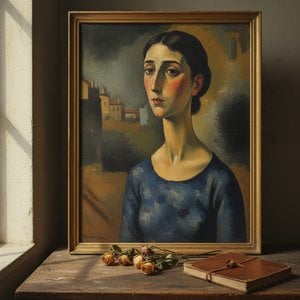
Delve into the haunting beauty of Amedeo Modigliani's portraits. Explore the intersection of Expressionism and Modernism through an expert analysis of his iconic elongated forms, melancholic gazes, and profound influence on art history.
 Náhled v interiéru

 Sdílet
 Sdílet
 Podrobnosti o díle
 Průvodce


 Stáhnout
 Podobné položky
 Rentgenové snímky
 Slideshow
 Otázky a odpovědi

 Statistiky


 Zobrazit více









 Skleněná varianta je dostupná pouze u rozměrů menších než 110 cm


