


Umělecké dílo zobrazené na této stránce je chráněno autorským zákonem, což znamená, že nemůžeme legálně vytvářet ani prodávat jeho identickou reprodukci. Tato ochrana je vymáhána na základě mezinárodních dohod, jako například Berberská úmluva a národními zákony, včetně těch stanovených v Americký autorský zákon – Díl 17. Všechna práva vyhrazena.
Tato metoda je plně v souladu s autorským právem, protože nezahrnuje kopírování ani duplikování chráněného díla. Jde o kreativní reinterpretaci – nový obraz, který je inspirován originálem, ale není s ním identický.
Giclée nebo plátěný tisk muzeální kvality s rychlou výrobou a širokou nabídkou povrchových úprav. ( Koupit ručně malovaný obraz Přepnout na digitální obraz)
Vyberte si z našich přednastavených velikostí, které odpovídají původním proporcím díla.

Zadejte šířku a výšku, které potřebujete pro váš rám nebo stěnu. Tisk lze pouze oříznout, nikdy však nelze zvětšit obraz nad jeho původní rozměr, proto při výběru jiného formátu dochází ke ztrátě části obrazu. Před samotným tiskem vám zašleme digitální náhled k schválení. Obraz zobrazený na této stránce nenabízí skutečný výřez — ten uvidíte pouze v náhledu.
Celosvětové doručení () do 2 týdnů namísto standardních 4/5 týdnů. (15 listopad)
The devil
Rozměry reprodukce
In the quiet, grainy depths of Claudia Andujar’s 1969 photograph, "The Devil’s Train," we encounter more than a mere historical record; we witness a profound meditation on the human condition. Captured during a period of significant social upheaval in Brazil, this striking black and white image serves as a visual poem reflecting the anxieties, aspirations, and bittersweet realities of displacement. The photograph documents a group of weary migrants traveling from the bustling metropolis of São Paulo toward the backlands of Bahia and Minas Gerais. These are individuals whose luggage was filled with hope, yet who often returned with nothing but the heavy weight of failed endeavors. Through Andujar’s lens, the train car becomes a microcosm of a nation in flux, a vessel carrying souls caught between the dream of a better life and the harsh reality of economic hardship.
The composition is masterfully balanced, utilizing a tight framing that strips away unnecessary distractions to focus our gaze intensely upon a young girl. Positioned slightly off-center, her face becomes the emotional anchor of the piece. As she sits amidst the traveling crowd, a cigarette held in her hand introduces a sharp diagonal line that cuts through the horizontal planes of the train car, injecting a sense of restlessness and movement into an otherwise static moment. This deliberate use of geometry creates a visual dynamism that draws the viewer into her gaze—a look that is simultaneously heavy with resignation and luminous with an undeniable, quiet strength.
Andujar’s technique is rooted in the traditions of humanist photography, a style that prioritizes emotional truthfulness over stylistic embellishment. Working with film—likely medium format—she achieved a remarkable tonal range that breathes life into the monochromatic palette. The image transitions seamlessly from deep, velvety blacks to brilliant, piercing whites, creating a sculptural quality in the subjects' features. This meticulous development process ensures that every texture is palpable: the rough, weathered fabric of the girl’s shirt, the smooth, ephemeral smoke of the cigarette, and the worn, wooden surfaces of the train car itself.
The lighting, appearing as natural and unadorned as the subject matter, casts soft shadows that emphasize the contours of the face, lending a sense of depth to an otherwise relatively flat perspective. This shallow depth of field keeps our attention locked onto the girl, while the receding figures in the background provide the necessary context of a crowded, shared struggle. There is a deliberate aesthetic restraint here; Andujar does not seek to romanticize poverty, but rather to dignify it through a lens of profound empathy and technical precision.
For the discerning collector or interior designer, "The Devil’s Train" offers a sophisticated layer of narrative depth that transcends simple decoration. The cigarette, often interpreted as a symbol of rebellion or a coping mechanism against stress, acts as a powerful conduit for exploring themes of vulnerability and defiance. The photograph does not merely depict a scene; it evokes a feeling of resilience. It is a piece that commands attention in any space, inviting contemplation on the universal human yearning for belonging and the enduring spirit required to navigate life's migrations.
Integrating a high-quality reproduction of this masterpiece into a curated collection or a refined interior provides more than just visual interest; it introduces a conversation piece of immense historical and emotional weight. The stark, monochromatic elegance of Andujar’s work complements both minimalist and classical environments, offering a timeless aesthetic that speaks to the beauty found in the most difficult of human journeys. To possess this image is to hold a fragment of history—a testament to the dignity of the marginalized and the transformative power of the photographic medium.
Chcete-li si prohlédnout náhled reprodukce díla „The devil“ od Claudia Andujar, otevřete stránku Náhled v prostoru tohoto díla.
Dílo „The devil“ vytvořil/a Claudia Andujar v rámci směru Humanist Photography.
„The devil“ má Calm atmosféru.


1931 - , Švýcarsko
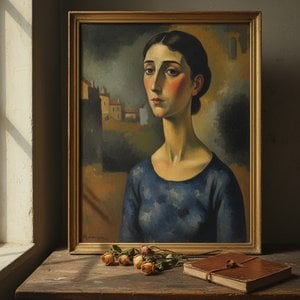
Delve into the haunting beauty of Amedeo Modigliani's portraits. Explore the intersection of Expressionism and Modernism through an expert analysis of his iconic elongated forms, melancholic gazes, and profound influence on art history.

Discover the profound beauty of Modigliani-style art. Explore the elegance of elongated forms and soulful portraits through our expert curation of hand-painted oil reproductions and museum-quality prints designed for the sophisticated collector.

Embark on a visual journey through the most captivating Surrealist masterpieces. From Dalí's dreamscapes to symbolic enigmas, discover expert insights for the discerning collector looking to acquire museum-quality fine art reproductions and bespoke commissions.
 Sdílet
 Sdílet
 Podrobnosti o díle
 Průvodce

 Stáhnout
 Podobné položky
 Slideshow
 Otázky a odpovědi
 Statistiky


 Zobrazit více






































 Skleněná varianta je dostupná pouze u rozměrů menších než 110 cm


