BEZPLATNÉ UMĚLECKÉ PORADENSTVÍ

x
Koupit tisk Koupit tiskKoupit digitální obrázek Koupit digitální obrázek SdíletSdílet
PodrobnostiPodrobnosti Přidat do oblíbených Přidat do oblíbených StáhnoutStáhnout Podobné položkyPodobné položky Rentgenové snímkyRentgenové snímky SlideshowSlideshow

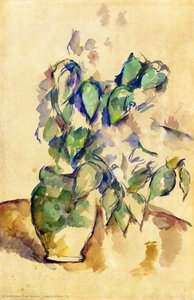
Needlework panel

Discover Claude Thomas Stanfield Moore’s maritime & Thames scenes! Nottingham artist (1853-1901) famed for dramatic lighting & capturing disappearing Britain.

Ručně malovaná olejová reprodukce

Ručně malovaná olejná barva na plátně ve vašem zvoleném rozměru i s rámem, vyrobená našimi umělci na zakázku.

Standard
custom
CM
INCH

Vyberte si z našich přednastavených velikostí, které odpovídají původním proporcím díla.

šířka
výška

Můžete zadat vlastní rozměry pro konkrétní rám nebo prostor. Pokud se vámi vybraná velikost neshoduje s proporcemi původního obrazu, dílo buď ořízneme, nebo jej doplníme ručně malovanými prvky. Před zahájením výroby vám bude zaslán digitální náhled ke schválení.
Upozorňujeme, že náhled na obrazovce neodpovídá skutečnému ořezu ani rozšíření. Pouze digitální náhled přesně zobrazí finální kompozici.
Ačkoliv je možné zvolit vlastní velikost, pro zachování původních proporcí doporučujeme vybrat rozměr z předdefinovaného seznamu.

Příklady možných změn: Nahrazení obličeje vlastní fotografií; Přidání domácího mazlíčka (např. nahrazení kočky psem); Vložení skrytého vzkazu do pozadí; Změna krajiny nebo prvků v pozadí.
Po přijetí objednávky vám tým WahooArt.com zašle e-mail s pokyny a poskytne náhledovou verzi.

Celosvětová doprava () za 3–4 týdny namísto standardních 5 týdnů. (4 červenec). Bez kompromisů v kvalitě.

why_choose_icon
Zdarma celosvětová expresní doprava
why_choose_icon
Vysoce kvalitní lněné plátno
why_choose_icon
Kompletní přepravní pojištění
why_choose_icon
Záruka vrácení celního poplatku
why_choose_icon
Záruka přesného barevného shodu
why_choose_icon
60denní lhůta pro vrácení zboží (pouze při vadách výroby)
why_choose_icon
100% garance vrácení peněz
why_choose_icon
Sleva při hromadné objednávce

Celková cena

-

reproduction

Needlework panel

Technika reprodukce

Rozměry reprodukce

-

Celková cena za výběr

-

Popis díla

Several examples of this ‘Indian Pheasant

Podobná umělecká díla


Biografie umělce

Claude Thomas Stanfield Moore: Capturing the Vanishing Thames

Born in Nottingham, England, in 1853, Claude Thomas Stanfield Moore’s artistic journey began modestly as a lithographic draftsman, a practical skill that initially provided a livelihood. However, by the late 1870s, he had begun to forge his own path, driven by a fascination with the landscapes and waterways of Britain – particularly the dramatic shifts occurring in the nation's industrial heartland. Moore’s career blossomed during a period of rapid transformation; he became one of the most prominent members of the Moore family of artists—a lineage deeply connected to Nottingham’s artistic heritage—and is now recognized for his evocative depictions of disappearing Britain, skillfully blending elements of Turnerian romanticism with a distinctly British sensibility.

Moore's early influences were undoubtedly shaped by his father, Thomas Cooper Moore, a respected architect and founding member of the Nottingham Society of Artists. This familial connection instilled in Claude a deep appreciation for observation and detail, qualities he would later hone into his own unique style. His brother, Reuben Arthur Moore (often spelled Rubens), also contributed to this artistic legacy, sharing a passion for capturing scenes of old Nottingham and its surrounding countryside. The brothers’ work often focused on the characterful buildings and rural life that were slowly being replaced by industrial development, creating a poignant record of a changing nation.

A Master of Light and Shadow: Maritime Scenes and Thames Views

While initially known for his landscapes, Moore's artistic focus gradually shifted towards maritime scenes and, most notably, the River Thames. He developed a remarkable ability to capture the atmospheric drama of rivers and coastlines, employing a masterful use of light and shadow—a technique heavily influenced by J.M.W. Turner. His paintings are characterized by intimate details of vessels navigating the waterways, often bathed in dramatic lighting effects that heighten the sense of movement and atmosphere. Moore wasn’t simply depicting scenes; he was conveying an emotional response to them – a feeling of both beauty and melancholy as these traditional landscapes faded into the modern era.

From approximately 1880 onwards, Moore exhibited his work regularly at prestigious venues such as the Nottingham Castle Art Museum, the Nottingham Society of Artists, and various towns throughout the region. He established a studio in Nottingham but later relocated to London around 1882, where he found greater opportunities for exposure and developed an even more refined style. During this period, he became particularly renowned for his views of the Thames – meticulously rendered depictions of its wharves, ships, and the imposing Houses of Parliament reflected in its waters. These works offer a valuable glimpse into Victorian London and the vital role the river played in the city’s economy and identity.

The Nottingham Legacy: Scenes of Disappearing Britain

Moore's artistic output is inextricably linked to his desire to document the vanishing character of Britain. His paintings frequently feature scenes of rural life, old buildings, and industrial landscapes—subjects that were increasingly threatened by modernization and urban expansion. A prime example of this thematic focus is “Fair-Day in the Morledge,” a vibrant depiction of a bustling Easter fair in Derby (now in the collection of the Derby Museum and Art Gallery). This painting, originally attributed to T.C. Moore but now recognized as a work by Claude T.S., exemplifies his ability to capture the energy and social life of a bygone era.

Moore’s artistic style evolved over time, moving from monochrome watercolors and line drawings to richer oil paintings. He embraced the techniques of his predecessors, particularly Dawson, incorporating complex surface textures and luminous skies reminiscent of Turner's work. His dedication to detail and atmospheric rendering cemented his reputation as a skilled artist who not only captured visual beauty but also conveyed a sense of nostalgia for a disappearing world.

A Premature End and Lasting Influence

Sadly, Claude Thomas Stanfield Moore’s promising career was cut short by his untimely death in 1901 at the age of 47. Despite his brief life, he left behind a significant body of work—over 80 paintings—that continues to be admired for its technical skill, evocative atmosphere, and poignant portrayal of Britain's changing landscape. Moore’s legacy extends beyond his individual works; he remains an important figure in the history of Nottingham art and a key representative of the broader movement documenting the transformations occurring throughout Victorian Britain. His paintings serve as a powerful reminder of the beauty that can be found in both the familiar and the fading, and the importance of preserving our cultural heritage.

Claude Thomas Stanfield Moore

Claude Thomas Stanfield Moore

1853 - 1901 , United Kingdom

Rychlé fakta

  • Artistic Movement Or Style: Maritime & Thames scenes
  • Artists Or Movements Influenced By This Artist: ['Turner Inspired Art']
  • Artists Who Influenced This Artist: ['James Baker Pyne']
  • Date Of Birth: 1853-06-10
  • Date Of Death: 1901
  • Full Name: Claude Thomas Stanfield Moore
  • Nationality: British
  • Notable Artworks:
    • Fair-day in the Morledge
    • Pomona docks
    • View Of Westminster From The Thames
  • Place Of Birth: Nottingham, UK