BEZPLATNÉ UMĚLECKÉ PORADENSTVÍ
x
Ručně malovaná olejná barva na plátně ve vašem zvoleném rozměru i s rámem, vyrobená našimi umělci na zakázku.
Vyberte si z našich přednastavených velikostí, které odpovídají původním proporcím díla.
Můžete zadat vlastní rozměry pro konkrétní rám nebo prostor. Pokud se vámi vybraná velikost neshoduje s proporcemi původního obrazu, dílo buď ořízneme, nebo jej doplníme ručně malovanými prvky. Před zahájením výroby vám bude zaslán digitální náhled ke schválení.
Upozorňujeme, že náhled na obrazovce neodpovídá skutečnému ořezu ani rozšíření. Pouze digitální náhled přesně zobrazí finální kompozici.
Ačkoliv je možné zvolit vlastní velikost, pro zachování původních proporcí doporučujeme vybrat rozměr z předdefinovaného seznamu.
Celosvětová doprava () za 3–4 týdny namísto standardních 5 týdnů. (2 červenec). Bez kompromisů v kvalitě.
Argenteuil
Rozměry reprodukce
Claude Monet’s *Argenteuil*, painted in 1872, isn't merely a depiction of a riverside scene; it’s a shimmering distillation of light and atmosphere, a pivotal moment in the birth of Impressionism. More than just a landscape, it’s an evocation of a specific time and place – Argenteuil, a charming town on the outskirts of Paris, where Monet found himself immersed in a vibrant artistic community and experimenting with radical new approaches to painting. The canvas captures a fleeting instant, a summer’s day by the Seine, imbued with a sense of joyful leisure and the subtle poetry of nature. The scene unfolds before us: a small boat glides across the water, reflecting the azure sky and the verdant hues of the surrounding trees. Scattered figures – likely friends and family – are enjoying the afternoon, their presence adding a touch of humanity to this otherwise serene vista. It’s a painting that invites the viewer to step into the scene, to feel the warmth of the sun and hear the gentle lapping of the water.
At the heart of *Argenteuil* lies Monet's revolutionary technique – a deliberate rejection of academic realism in favor of capturing the *impression* of light. He abandons sharp outlines and precise detail, instead employing short, broken brushstrokes of pure color layered upon one another. Notice how the blues and greens of the water seem to vibrate, reflecting the sky above with an almost luminous intensity. The trees in the background aren’t rendered with meticulous accuracy; they're suggested through a hazy wash of color, contributing to the overall sense of atmospheric depth. This approach wasn’t new – artists had previously used broken brushstrokes – but Monet elevated it to an art form, prioritizing the *feeling* of light and color over strict representation. The painting is a testament to his dedication to plein air painting—working directly from nature, capturing the fleeting effects of sunlight on the landscape in real-time.
Monet’s genius lies not just in his technical mastery but also in his ability to imbue a simple scene with profound emotion. *Argenteuil* exemplifies this perfectly, utilizing a technique that would become synonymous with Impressionism. The composition is carefully balanced: the boat on the water acts as a central anchor, drawing the eye across the canvas and leading it towards the distant trees. The figures – indistinct yet undeniably present – are strategically placed to create a sense of intimacy and connection. They aren’t grand or heroic; they're ordinary people enjoying a peaceful afternoon, their presence adding a vital element of humanity to the scene. The subtle details—the reflections on the water, the dappled sunlight filtering through the trees—all contribute to an overall sense of harmony and beauty. The artist masterfully uses perspective, creating a feeling of depth that draws the viewer into the painting.
*Argenteuil* was painted during a crucial period in Monet’s artistic development. He had recently moved to Argenteuil, seeking inspiration and a respite from the bustle of Paris. This location proved invaluable, providing him with endless opportunities to study the changing effects of light on the Seine River. The painting reflects this environment – it's not just a picturesque scene; it’s a testament to Monet’s dedication to *plein air* painting—working directly from nature. The town itself was undergoing rapid change during this period, becoming increasingly popular with artists and intellectuals drawn by its proximity to Paris and its relaxed atmosphere. It’s fascinating to consider that Monet was not only capturing the beauty of Argenteuil but also documenting a pivotal moment in the town's own transformation – a time of burgeoning artistic community and evolving social life.
Beyond its technical brilliance, *Argenteuil* resonates with a profound sense of tranquility and joy. The leisurely activity depicted – the boat on the water, the figures enjoying themselves – speaks to a celebration of life and the pleasures of nature. The painting’s hazy atmosphere evokes a feeling of warmth and contentment, inviting the viewer to share in this idyllic scene. Some art historians have interpreted the painting as a reflection of Monet's own personal happiness during this period, a time when he was finding his artistic voice and establishing himself as a leading figure in the Impressionist movement. The subtle details – the reflections on the water, the dappled sunlight filtering through the trees – all contribute to an overall sense of harmony and beauty. It’s a painting that reminds us of the simple joys of life and the transformative power of art.
WahooArt offers exquisite hand-painted reproductions of *Argenteuil*, meticulously crafted by our talented artists using archival quality materials. Each reproduction captures the essence of Monet’s original masterpiece, allowing you to bring this iconic work into your home or office with confidence. Explore our range of sizes and framing options to find the perfect addition to your collection.
Photo Description: The painting is a beautiful representation of the waterfront at Argenteuil. The scene features a boat floating on the water with trees in the background. There are several people scattered throughout the scene, enjoying their time by the water. Some individuals can be seen closer to the foreground while others are further away, creating depth and perspective within the painting. The sky is blue and cloudy, adding an atmospheric touch to the overall composition of the image.
Oscar-Claude Monet, jméno neodmyslitelně spojené s impresionismem, nebyl pouhým malířem krajin; byl kronikářem prchavých okamžiků, básníkem světla a barvy. Narodil se v Paříži 14. listopadu 1840 a jeho raný život nabral nečekovaný směr, když se jeho rodina v pěti letech přestěhovala do Le Havre v Normandii. Zatímco ho otec původně předurčil k obchodní kariéře, mladého Clauda brzy objevila vrozená umělecká nadání, která se projevovala nejprve uhlovými karikaturami prodávanými místním veřejnosti – svědectví jeho dovedností a podnikatelského ducha. Zásadní však bylo setkání s Eugènem Boudinem. Boudin Moneta nenaučil jen jak malovat; vštípil mu revoluční myšlenku malování en plein air – přímo z přírody – praxi, která definovala jeho celou uměleckou cestu.
Monetovo formální vzdělávání začalo v Paříži, krátce na Académie Suisse a později u Charlese Gleyra. Zde navázal trvalá přátelství se spolužáky jako Auguste Renoir, pouto založené na sdílených uměleckých frustracích a touze osvobodit se z okovů tradičního akademického malířství. Jeho rané práce sice prokazovaly technickou zdatnost, ale postrádaly osobitý hlas, který by brzy charakterizoval jeho styl. Následovalo období otřesů – Prusko-francouzská válka Moneta donutila vyhledat útočiště v Londýně, kde se ponořil do díla anglických krajinářských mistrů jako J.M.W. Turner, absorboval jejich atmosférické efekty a inovativní použití barev.
Po návratu do Francie se Monet stal ústřední postavou rozvíjající se umělecké rebelie. Nespokojen s konzervativními standardy Salonu spojil síly s dalšími podobně smýšlejícími umělci a organizoval nezávislé výstavy. Výstava v roce 1874 byla zlomovým okamžikem, nejen pro Moneta, ale i pro celý svět umění. Zde byl vystaven jeho obraz “Impression, soleil levant” (Imprese, východ slunce) – mlhavé znázornění přístavu Le Havre za úsvitu – a z něhož vznikl posměšný termín „impresionismus“. Jméno však ulpělo a vyvinulo se v odznak cti pro hnutí, které usilovalo o zachycení subjektivní imprese scény namísto její přesné reprezentace.
Monetův charakteristický styl rozkvetl v tomto období: volné, viditelné tahy štětcem, živé a často nemíchané barvy aplikované vedle sebe (technika známá jako “rozbitá barva”) a neochvějná snaha o zachycení pomíjivých kvalit světla. Neustále se věnoval své praxi plein air, pracoval rychle, aby zaznamenal své bezprostřední vjemy dříve, než se měnící podmínky změní scénu. Tato oddanost nesloužila jen k zobrazení toho, co viděl, ale spíše toho, jak na to reagoval – radikální odklon od uměleckých konvencí.
V roce 1883 se Monet usadil v Giverny, severozápadně od Paříže, a založil si domov a zahradu, které se staly jeho útočištěm i největším zdrojem inspirace. Pečlivě proměnil pozemek na rozsáhlý ráj plný exotických květin, plačících vrb a především rybníka s lekníny překlenutého japonským mostem. Tato zahrada nebyla pouhou dekorací; byla to živá laboratoř, kde mohl Monet studovat účinky světla na vodu, listoví a odrazy za kontrolovaných podmínek.
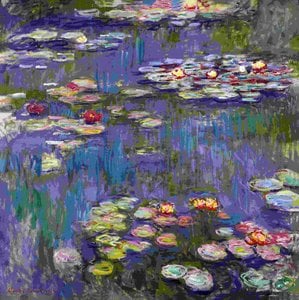
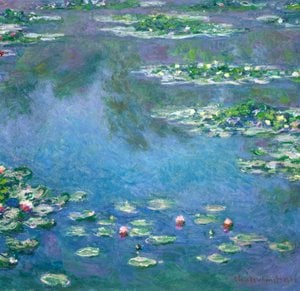
Poslední desetiletí jeho života se téměř výhradně věnovala malování rybníka s lekníny v Giverny. Pustil se do monumentální série Lektýnů (Nymphéas), vytvářel rozsáhlá plátna, která zobrazovala povrch rybníka jako neustále se měnící tapisérii barev a světla. Nebyla to jen malba květin; byly to pohlcující zážitky navržené tak, aby obklopily diváka světem klidné krásy a kontemplativního ticha. Rozsah těchto děl je dechberoucí, posouvá hranice tradičního malířství a předznamenává abstraktní expresionismus.
Monetův dopad na dějiny umění je neměřitelný. Nebyl jen zakladatelem impresionismu; zásadně změnil způsob, jakým umělci vnímali a reprezentovali svět kolem sebe. Jeho důraz na subjektivní zkušenost, přijetí malby en plein air a inovativní techniky připravily cestu modernímu zkoumání abstrakce a nereprezentačních forem.
Monet dosáhl během svého života značného komerčního úspěchu – vzácnost pro avantgardní umělce jeho éry. Jeho dílo i nadále inspiruje úžas a okouzluje publikum po celém světě, upevňuje jeho postavení jako jedné z nejdůležitějších postav západního umění. Zemřel 5. prosince 1926 a zanechal odkaz, který rezonuje napříč generacemi umělců a milovníků umění. Významné sbírky jeho mistrovských děl jsou uloženy v prestižních institucích, jako je Musée d'Orsay a Musée Marmottan Monet v Paříži, což zajišťuje, že jeho vize bude i nadále osvětlovat svět.
1840 - 1926 , Francie
Sdělte nám více o svém projektu a naši odborníci na umění vám připraví 3 personalizované návrhy uměleckých děl.

Nechť pro vás vybereme 3 možnosti – zdarma!