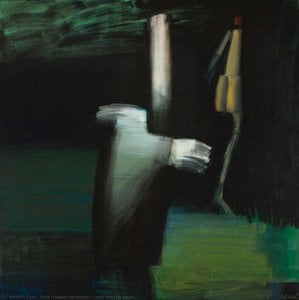
Umělecké dílo zobrazené na této stránce je chráněno autorským zákonem, což znamená, že nemůžeme legálně vytvářet ani prodávat jeho identickou reprodukci. Tato ochrana je vymáhána na základě mezinárodních dohod, jako například Berberská úmluva a národními zákony, včetně těch stanovených v Americký autorský zákon – Díl 17. Všechna práva vyhrazena.
Tato metoda je plně v souladu s autorským právem, protože nezahrnuje kopírování ani duplikování chráněného díla. Jde o kreativní reinterpretaci – nový obraz, který je inspirován originálem, ale není s ním identický.
Giclée nebo plátěný tisk muzeální kvality s rychlou výrobou a širokou nabídkou povrchových úprav. ( Koupit ručně malovaný obraz Přepnout na digitální obraz)
Vyberte si z našich přednastavených velikostí, které odpovídají původním proporcím díla.

Zadejte šířku a výšku, které potřebujete pro váš rám nebo stěnu. Tisk lze pouze oříznout, nikdy však nelze zvětšit obraz nad jeho původní rozměr, proto při výběru jiného formátu dochází ke ztrátě části obrazu. Před samotným tiskem vám zašleme digitální náhled k schválení. Obraz zobrazený na této stránce nenabízí skutečný výřez — ten uvidíte pouze v náhledu.
Celosvětové doručení () do 2 týdnů namísto standardních 4/5 týdnů. (8 listopad)
The Painter Francis Bacon
Rozměry reprodukce

Chronis Botsoglou stands as one of the most profound and uncompromising voices in contemporary Greek art, a painter whose work served as the very conscience of figurative painting for over half a century. Born in Thessaloniki, Greece, his artistic journey was shaped by a rigorous academic foundation, beginning at the Athens School of Fine Arts under the mentorship of the legendary Yiannis Moralis. This early training, followed by a transformative period of study at the École nationale supérieure des Beaux-Arts in Paris, allowed him to weave together a unique aesthetic language—one that rejected the purely decorative in favor of a raw, psychological directness.
His return to Greece marked a pivotal moment in his career as he helped found the New Greek Realists group in 1971. At a time when the international art world was drifting toward conceptual experimentation, Botsoglou remained steadfastly committed to a realism that explored the human condition. His practice was never merely about representation; it was an excavation of existence. Through his large-format figure compositions, he addressed themes of brutality, violence, and cynicism, yet always tempered this critical gaze with an unmistakable sense of empathy and tenderness.
The technical breadth of Botsoglou’s oeuvre is as vast as its emotional depth. While his large-scale paintings often commanded the most critical attention, his mastery extended across a diverse range of media, including engraving, sculpture, pastels, and watercolours. His work frequently oscillates between the heavy physicality of painting material and an almost ethereal, existential lightness. In series such as Personal Nekyia, he delves into the shadows of mortality, using muted tones and haunting imagery to explore the relationship between the self and the void.
In contrast, other works like his Haiku series reveal a different facet of his genius, capturing serene coastal scenes through pastel hues that blend elements of impressionism with nature's quiet beauty. This duality—the ability to move from the visceral weight of human suffering to the delicate observation of light and landscape—defines his artistic legacy. His paintings do not merely depict bodies; they biographize death, using the human form to speak of solitude, fragility, and the enduring struggle of the spirit.
Beyond the canvas, Botsoglou was a monumental figure in the academic and intellectual life of Greece. His dedication to the craft was matched by his commitment to artistic education, serving as a professor at the Athens School of Fine Arts and later as its Rector. He was an artist who thought deeply about the labor of creation, publishing writings that explored the very essence of artistic study and the necessity of honesty in one's work.
His immense contribution to art history is reflected in the widespread presence of his works in prestigious institutions. His legacy is preserved through:
Through decades of solo and group exhibitions spanning from South America to Israel, Chronis Botsoglou remained an artist of profound sincerity, leaving behind a body of work that continues to resonate with its unflinching gaze into the depths of human existence.

1941 - 2022 , Greece

Immerse yourself in the visceral world of Francis Bacon. Explore 25 iconic masterpieces, from distorted figures to haunting portraits. Discover the stories behind these expressionist legends and find museum-quality art reproductions for your collection at WahooArt.com.
 Náhled v interiéru
 Sdílet
 Sdílet
 Podrobnosti o díle
 Průvodce

 Stáhnout
 Podobné položky
 Rentgenové snímky
 Slideshow
 Otázky a odpovědi
 Statistiky

 Zobrazit více






































 Skleněná varianta je dostupná pouze u rozměrů menších než 110 cm